You’re diligent. You cleanse, you treat, you moisturize, all with the goal of a clearer, more even complexion. Yet, you’ve noticed those faint sun spots or patches of discoloration seem a bit more pronounced in the morning light. It’s a frustrating puzzle: your nighttime ritual, designed to repair and renew, might be subtly working against your goal of a uniform skin tone.
The connection isn't about causing new damage, but rather one of contrast. Certain beloved nighttime ingredients accelerate skin cell turnover and exfoliation. This process, while beneficial for overall texture and radiance, can temporarily remove the very top layer of skin, making the pigmented cells beneath appear more focused and distinct against the now-fresher, paler surrounding skin. It’s like cleaning a smudged window—the view becomes sharper, for better or worse.
Why Nighttime Products Can Amplify Pigmentation
Think of your skin’s surface as a slightly hazy, textured filter over a canvas. Sun spots—clusters of melanin produced by sun exposure—lie within that canvas. Many nighttime actives work by gently dissolving the bonds between dead skin cells, encouraging them to shed more rapidly. This is called desquamation.
As this superficial, often unevenly pigmented layer sloughs away, what’s revealed is the newer skin underneath. If you have underlying hyperpigmentation, this newer layer brings those pigmented cells closer to the surface. Without the “noise” of the old top layer, the contrast between the darker spots and the lighter, healthy skin around them can become more visually apparent. It’s a phase of clarity, not creation.
This increased visibility is often a temporary part of the skin’s renewal process, not a sign the product is harming you.
Key Ingredients That May Lead to This Effect
Not every night cream will have this effect. It’s primarily linked to chemical exfoliants and retinoids, which are champions of cellular renewal.
Retinoids (Retinol, Retinal, Prescription Retin-A): The gold standard for anti-aging, retinoids profoundly speed up cell turnover. They work deep within the skin to encourage new, healthy cells to rise to the surface. As this happens, any existing pigmentation is pushed upward more quickly, which can make it look more prominent before it eventually fades.
Alpha Hydroxy Acids (AHAs): Ingredients like glycolic acid and lactic acid are water-soluble exfoliants that break down the “glue” between dead cells. By providing this gentle chemical peel effect, they reveal the fresher skin beneath, which can have the same contrast-enhancing result on existing spots.
Beta Hydroxy Acid (BHA/Salicylic Acid): While more oil-soluble and known for clearing pores, salicylic acid also exfoliates the skin’s surface. Its clarifying action can similarly lead to a more defined appearance of surface discoloration.
What This Means for Your Routine
This doesn’t mean you should abandon these powerful ingredients. It means you should manage your expectations and strategy. This phase of increased visibility is often part of the journey to actually fading the spots over time, as the accelerated turnover helps disperse concentrated melanin.
Patience and Pace Are Essential
If you’re new to actives, start slowly. Using a potent retinoid or AHA every single night from the outset can overwhelm your skin and make this transitional contrast phase more dramatic. Begin with 2-3 nights a week to allow your skin to adapt.
The Non-Negotiable: Morning Sunscreen
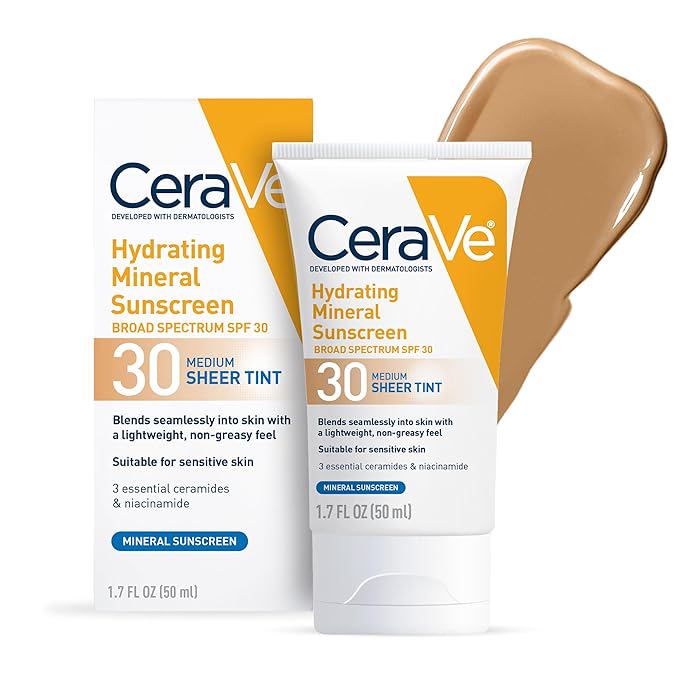
This is the most critical point. The skin revealed by your nighttime exfoliation is newer and more vulnerable to UV damage. Sun exposure without protection will stimulate more melanin production in those already-prone areas, darkening the spots you’re trying to manage and counteracting all your hard work. A broad-spectrum SPF 30 or higher is not optional; it’s the cornerstone of any regimen addressing pigmentation.
- Cleanse gently in the morning to avoid over-stripping newly revealed skin.
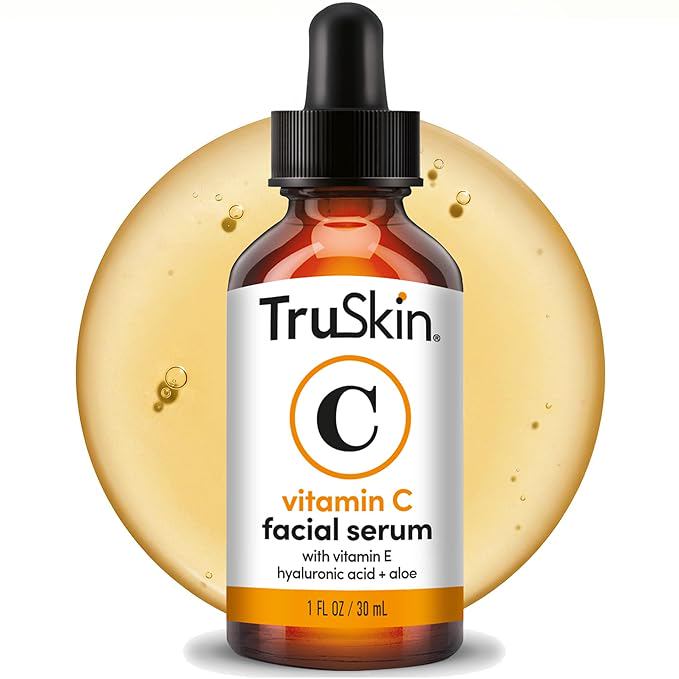
- Apply a antioxidant serum like vitamin C, which can help protect against free radicals and support an even tone.
- Follow with a moisturizer if needed, and always finish with your sunscreen.
Supporting Ingredients to Look For
To complement your exfoliating or retinoid treatment and directly target melanin production, consider incorporating products with these ingredients into your weekly routine, either on alternate nights or in your morning regimen.
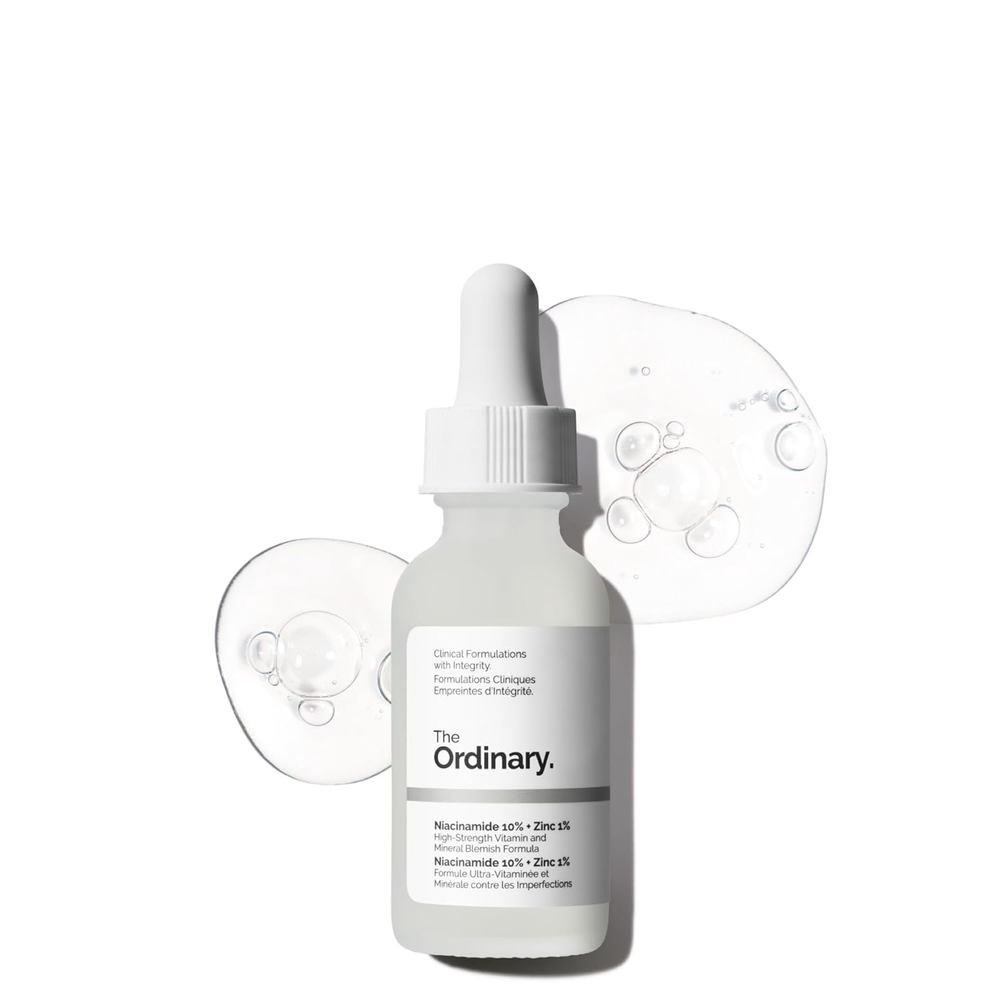
Niacinamide: A versatile, gentle ingredient that helps inhibit the transfer of melanin to skin cells and can improve skin barrier function, reducing potential irritation from other actives.
Vitamin C (Ascorbic Acid): A potent antioxidant that can help brighten skin and interrupt the pigment-producing process. It’s a superb morning partner to nighttime exfoliation.
Azelaic Acid: Known for its ability to reduce inflammation and target hyperactive melanocytes (pigment-producing cells) without being overly exfoliating.
Tranexamic Acid: An ingredient gaining popularity for its targeted approach to disrupting the pathways that lead to stubborn pigmentation and melasma.
Consistency with sunscreen and a balanced routine is far more important than chasing an immediate, dramatic result.
When to Reevaluate
If the increased visibility of sun spots is accompanied by significant redness, stinging, burning, or peeling, you may be irritating your skin barrier. This inflammation can actually trigger more pigment production, a response called post-inflammatory hyperpigmentation. In this case, scale back on actives and focus on soothing, barrier-repairing ingredients like ceramides and centella asiatica until your skin calms.
If you’ve been using a product consistently for over three months and feel your discoloration is worsening rather than gradually improving, it’s wise to consult a dermatologist. They can assess your specific type of pigmentation and may recommend in-office treatments like chemical peels or laser therapy, which can be more targeted and effective for certain kinds of sun spots.
Navigating nighttime skincare is about understanding the process. That temporary clarity, where spots seem more visible, is often your skin doing exactly what you asked—renewing itself. With strategic product use, immense patience, and relentless sun protection, that phase can lead to the more even, radiant skin you’re working toward.