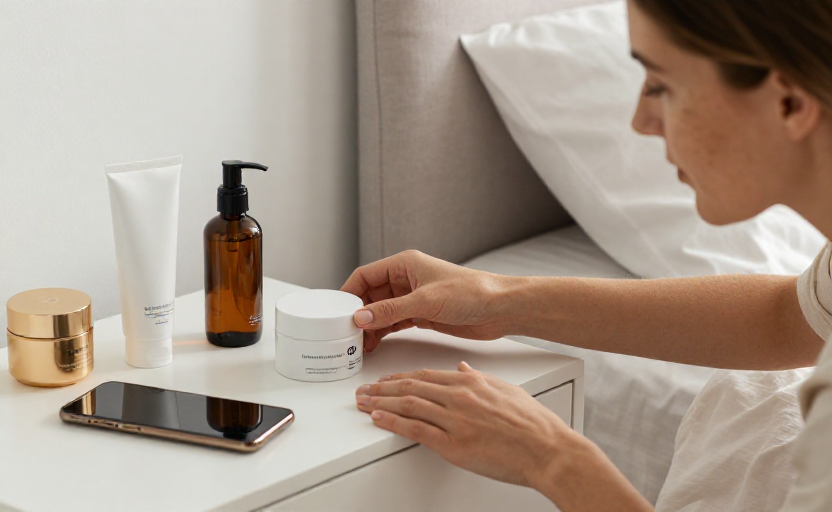
Age spots—those flat, brown patches that tend to appear on sun-exposed skin—are often associated with years spent outdoors. But a less obvious factor could be making them more noticeable: your nightly skincare or sleep routine. Certain habits performed in the evening, when the skin is in its natural repair mode, may inadvertently darken hyperpigmentation or make age spots stand out more.
Understanding which nightly habit is the culprit—and what to do instead—can help you keep your skin tone even and support its overnight regenerative work. Let's walk through the science behind it and the small changes that can make a real difference.
What Is the Habit That May Worsen Age Spots?
The habit that dermatologists most frequently point to is using the wrong products (or the wrong order of products) at night. Specifically, applying ingredients that increase photosensitivity—such as retinoids, certain alpha hydroxy acids (AHAs), or benzoyl peroxide—without adequate preventive measures can make skin more vulnerable to UV and blue light damage. And if you aren't pairing them with protective antioxidants or sun protection in the day, the spots can appear darker and more defined.
Another dimension: skipping a night-time moisturizer or using a formula that's too heavy can also hinder skin barrier repair. When the barrier is compromised, melanocytes (pigment-making cells) can become overactive, and that can darken existing age spots.
Why Nighttime Is the Critical Window
During sleep, skin blood flow increases, cell turnover peaks, and the barrier repairs itself. This is when your skin is most receptive to active ingredients—but also most vulnerable to irritation. If you apply a high-concentration retinol or glycolic acid cleanser, for example, without following it with a nourishing moisturizer, you may create low-grade inflammation. That inflammation, over time, can stimulate melanin production and make age spots more vivid.
Think of your skin at night like a construction site: it's rebuilding, but it's also exposed. The materials you give it (your products) need to be supportive, not disruptive.
How to Adjust Your Nightly Routine for Even Skin
You don't need an elaborate 10-step regimen—just a few intentional swaps and timing changes. Here are the most effective strategies:
- Reorganize your product order. Apply active treatments (retinoids, exfoliating acids) only after a basic moisturizer if you have sensitive skin, or consider using them every other night rather than nightly. A buffer moisturizer reduces irritation without killing efficacy.
- Introduce barrier-supporting ingredients. Look for ceramides, niacinamide, or squalane in your night cream. These strengthen the lipid barrier and help calm melanocyte activity.
- Use antioxidants before bed. A vitamin C serum can be used at night too (especially if you apply it well before lights-out). It helps scavenge free radicals that form during the day, preventing them from triggering pigment production at night.
- Check your pH. AHAs and vitamin C should not be layered directly with retinoids or high-pH products. Allow 15–20 minutes between steps to avoid a pH clash that can cause irritation.
Swap in Softer Exfoliation
Instead of a harsh scrubbing cleanser at night, consider a gentle facial cloth or a low-concentration lactic acid toner (5% or less). Exfoliation helps fade age spots by encouraging cell turnover—but if done too aggressively, it backfires by creating inflammation.
What About Sleep Position?
While not a product choice, sleep posture can also affect spots. Pressing your face into a rough pillowcase night after night can cause friction and micro-inflammation. Switching to a smooth, non-abrasive fabric (silk or high-thread-count cotton) reduces that mechanical irritation and helps keep pigment cells calm.
Other Nightly Pitfalls to Avoid
Beyond product misordering, a few other habits can silently worsen age spots:
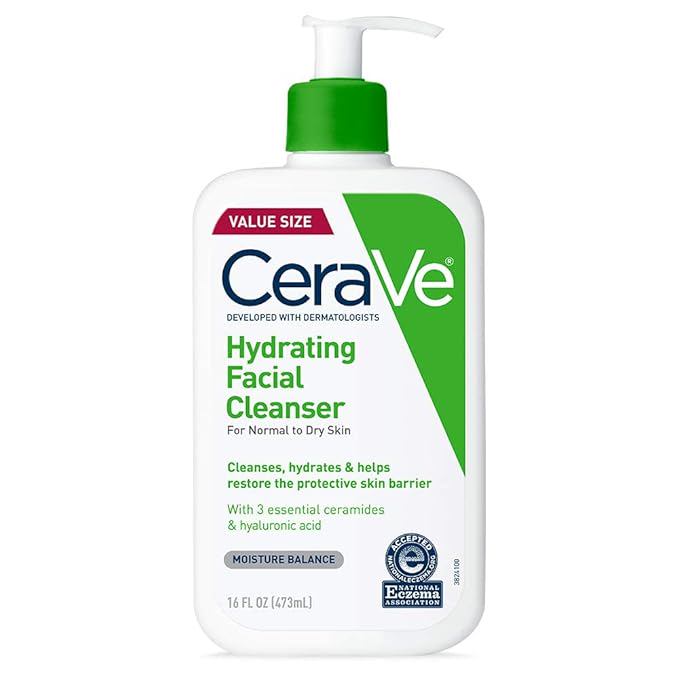
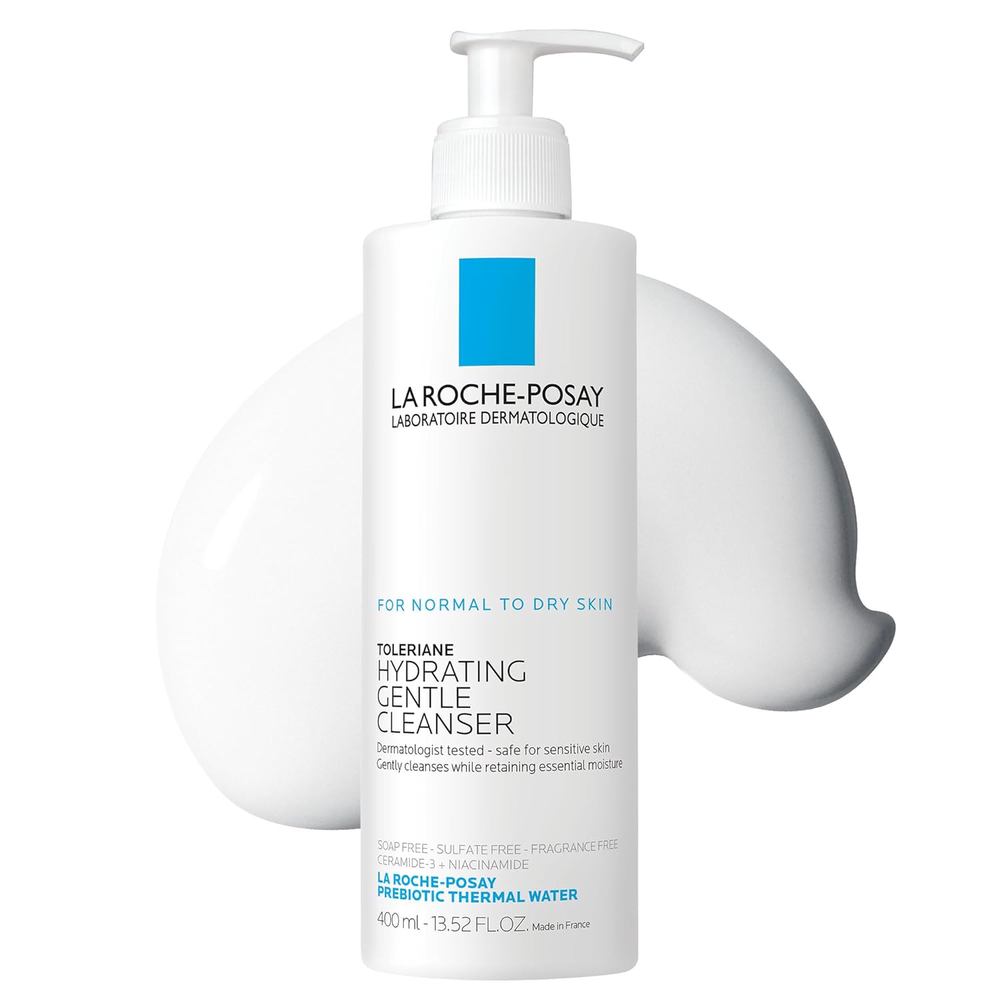
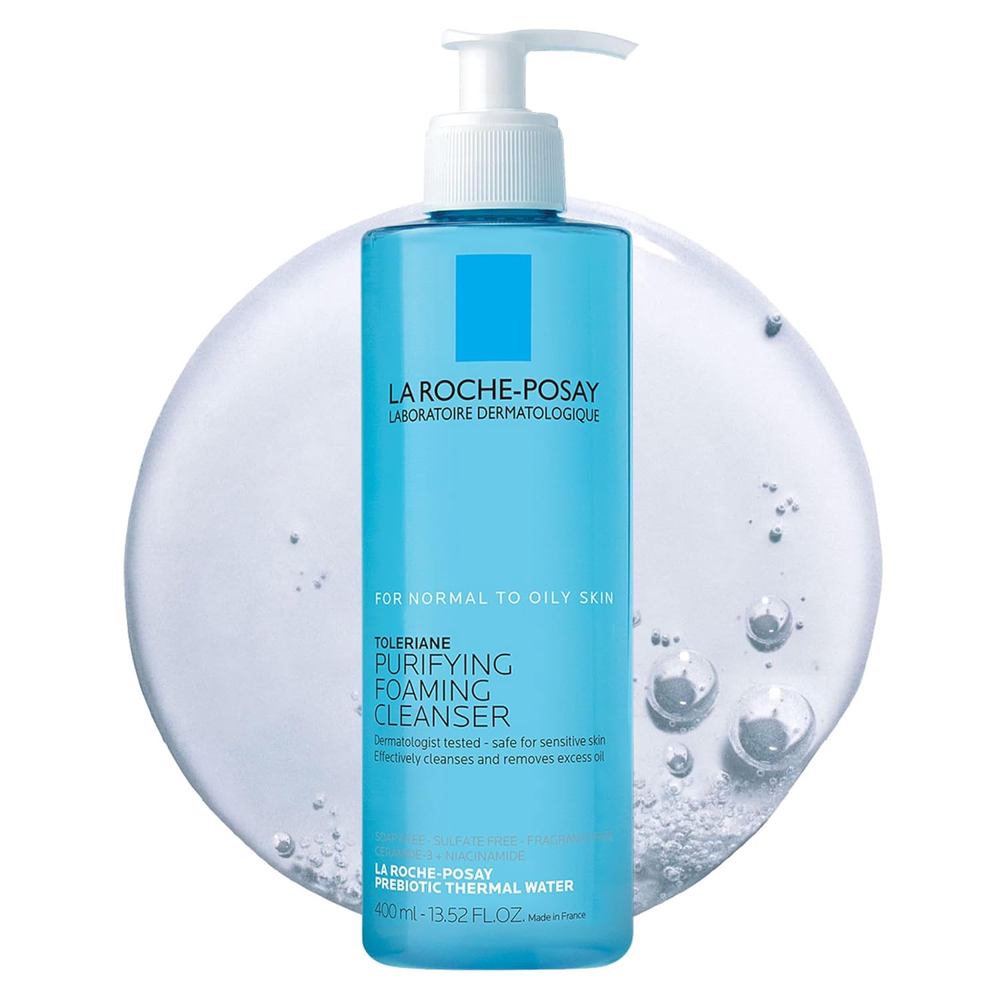
- Overcleaning: Double-cleansing with harsh foaming washes strips the barrier. Instead, use an oil-based cleanser followed by a gentle cream or milk cleanser.
- Skipping your neck and chest: Age spots appear on the décolletage too. Apply the same balanced evening routine to these areas.
- Excess screen time before bed: Blue light from phones and tablets can penetrate skin and contribute to hyperpigmentation, especially in darker skin tones. A blue-light screen filter or a (physical) blue-light-blocking face mist may help—but the simplest fix is powering down 30 minutes before sleep.
Putting It All Together: A Sample Night-Time Flow
- First cleanse with an oil-based balm to dissolve sunscreen and excess sebum.
- Second cleanse with a gentle milk or gel cleanser containing ceramides or glycerin.
- Actives (optional) – apply a low-dose retinol or a lactic acid toner only if your skin tolerates it. Wait 10 minutes.
- Barrier moisturizer with niacinamide (helps regulate pigment) and ceramides.
- Optional: a thin layer of a cold-processed rosehip oil (contains retinoid-like compounds) for extra pigment-fading support.
Remember: what you do at night sets the stage for what you need in the morning. The real key to fading age spots is consistency—using supportive, non-irritating products every night, not a harsh treatment once a week.
When to See a Professional
If you've optimized your evening routine for three months and still see age spots darkening, consider a consultation with a board-certified dermatologist. They can evaluate whether the spots are actually lentigines (age spots) or something else—such as seborrheic keratoses or even melanoma—and recommend in-office treatments like laser therapy, chemical peels, or prescription-only fading creams.
Your nightly routine doesn't have to be complicated. A few simple swaps—like reordering your products, choosing barrier-supportive ingredients, and minimizing blue light before bed—can help your skin stay even-toned and keep age spots from becoming more noticeable.