Curly hair has a mind of its own—and sometimes, the things we do to care for it at night are exactly what make it look unruly the next morning. One common bedtime habit that can worsen frizz is sleeping on a cotton pillowcase. Cotton is highly absorbent; it pulls moisture from your hair strands and creates friction as you toss and turn. For curly textures, which are naturally more porous and prone to dryness, this combination leads to raised cuticles, tangles, and unmistakable frizz by dawn.
The good news is that a simple swap can make a significant difference. Switching to a smooth, moisture-sealing fabric like silk or satin reduces friction and helps your curls stay hydrated and defined overnight. But pillowcase material isn't the only factor—what you do with your hair before you hit the pillow also matters. Let's look at the nightly habits that can unwittingly create frizz, and how to adjust your routine for smoother, happier curls.
Why cotton pillowcases create morning frizz
Cotton fibers are rough under a microscope. When you lay your head down, the fabric rubs against your hair cuticles, roughing them up and causing them to lift. Unlike straight hair, curly hair has a naturally uneven cuticle layer that is more vulnerable to damage. The friction from cotton also encourages breakage, which adds to the fuzzy appearance. Meanwhile, cotton absorbs the natural oils (sebum) and any leave-in products you applied, leaving your hair drier by sunrise.
How silk and satin help preserve curl definition
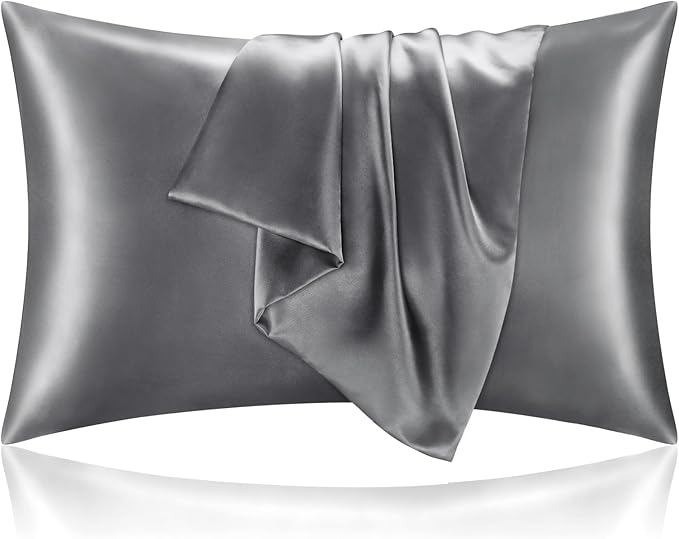
Silk and satin pillowcases have a smooth, low-friction surface that allows hair to glide rather than catch. They also do not absorb moisture the way cotton does. This helps maintain the hydration balance in your strands overnight, which is critical for reducing frizz. For best results, look for a high-thread-count satin or mulberry silk pillowcase—and flip it over each night so you always sleep on a clean, product-free side.
Bonus: protect your style with a pineapple or a buff
Many curlies use a technique called "pineappling"—gathering hair into a very loose, high ponytail on top of your head before bed. This keeps curls from being flattened against the pillow. Alternatively, a silk or satin bonnet or buff can fully encase your hair, offering even more protection. The key is to avoid tight hair ties that create dents or tug at the scalp; use a scrunchie or a soft hair claw instead.
What about dry brushing or loose hair?
Another nightly habit that contributes to frizz is brushing curly hair when it is dry—especially right before bed. Dry brushing breaks up curl clumps and creates fuzzy, unformed strands. If you need to detangle, do it in the shower with conditioner and a wide-tooth comb, then apply your styling products and let the hair set. Once your curls are dry, try not to disturb them with a brush or fingers until the next refresh.
Hydration is still key—even at night
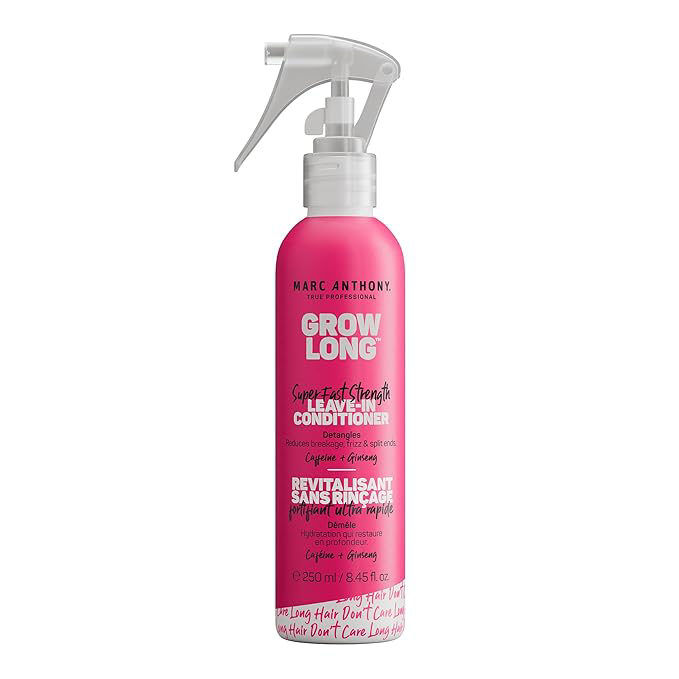
Frizz is often a sign of dehydrated hair. While a silk pillowcase helps preserve moisture, it does not add it. Consider applying a lightweight leave-in conditioner or a few drops of hair oil (like jojoba or argan) to your ends before bed. This extra layer of hydration can work overnight to keep cuticles smooth. Avoid heavy creams if your hair is fine, as they may cause buildup and weigh curls down.
Quick tip: If you wake up with flattened curls, spritz them lightly with water or a curl refresher spray—then scrunch gently to revive the shape without re-washing.
The bottom line
Frizz isn't a permanent condition—it is often the result of how we treat our hair while we sleep. By switching to a silk or satin pillowcase, keeping hair loosely protected, and adding a little moisture before bed, you can wake up to more defined, smoother curls. Small adjustments to your nightly routine really do add up over time.