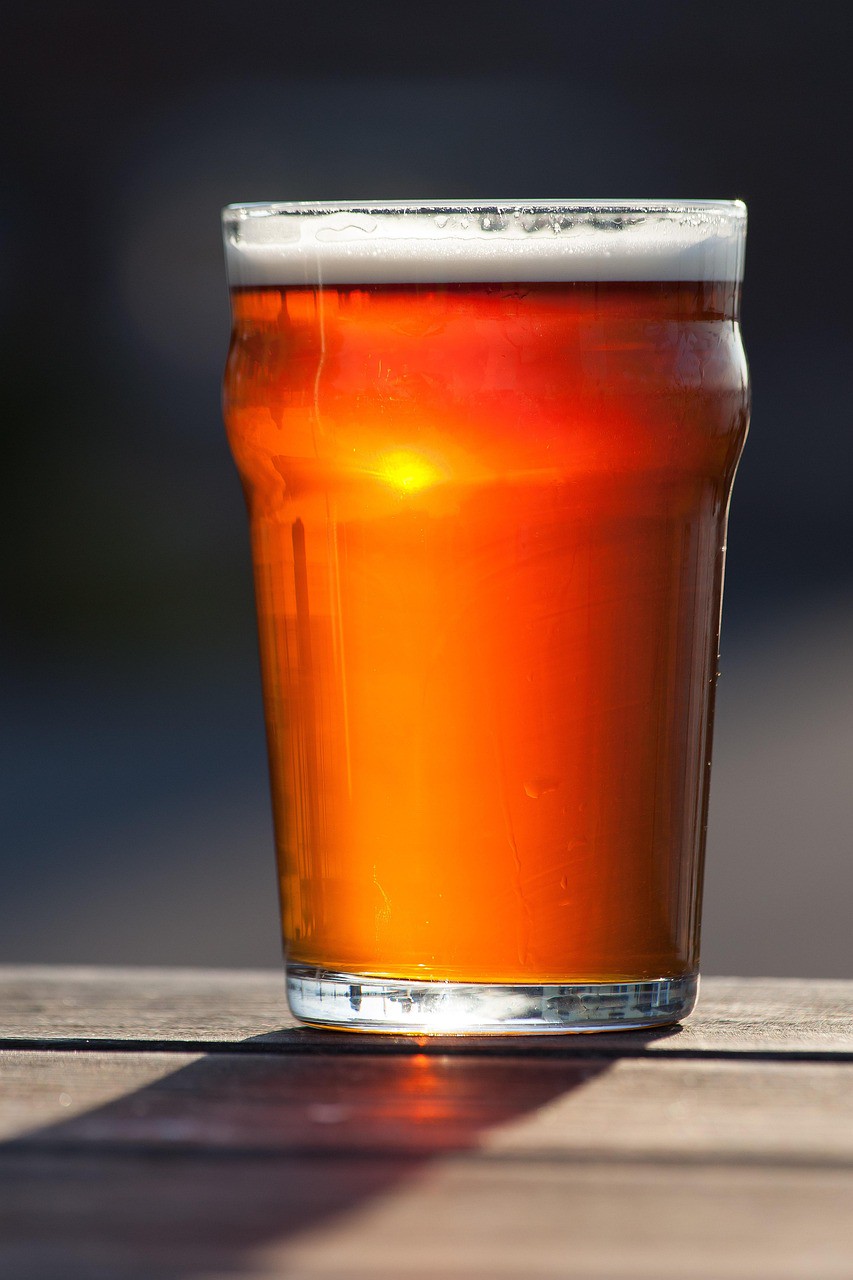
Many people reach for a glass of wine or a cocktail in the evening to unwind. It feels like a reward at the end of a long day, a reliable way to melt stress and signal the brain that it is time to rest. But that nightly habit may be working against you in ways that go far beyond a restless night.
While a drink can make you feel drowsy at first, the biological reality is more complicated. Alcohol changes the architecture of sleep, often leading to a night of fragmented rest and a morning filled with unexplained unease. Understanding the connection between that evening drink, disrupted sleep, and increased anxiety the next day can help you make a more informed choice about when — and whether — to drink.
Why alcohol before bed backfires
Alcohol is a central nervous system depressant, which is exactly why it can make you feel relaxed and sleepy shortly after consumption. For many people, this sedative effect is powerful enough to help them fall asleep faster. But the story does not end there. As the body begins to metabolize alcohol overnight, the sedative effect wears off, and a rebound effect can occur. Blood sugar may fluctuate, and the nervous system can become more alert than usual.
During the second half of the night, this often leads to more frequent awakenings, lighter sleep, and a lower overall quality of rest. The result is that you may spend less time in the deeper, restorative stages of sleep — particularly rapid eye movement (REM) sleep, the stage most closely linked to emotional regulation and memory processing. A night of alcohol-related sleep disruption can leave you feeling physically drained and emotionally frayed the next day.
The link between poor sleep and morning anxiety
Anxiety and sleep are deeply connected, and the relationship works in both directions. Poor sleep can make you more susceptible to anxiety, and anxiety can make it harder to sleep. When alcohol interferes with sleep quality, it can create a cycle that intensifies feelings of worry and unease.
Several mechanisms explain this. First, alcohol affects neurotransmitters like gamma-aminobutyric acid (GABA) and glutamate, which help regulate the balance between calm and excitation in the brain. After the alcohol wears off, the brain can become overly excitable, which can manifest as a jittery or anxious feeling the next morning. This is sometimes referred to as "hangxiety" — a term popularized to describe the blend of hangover symptoms and heightened anxiety.
Second, chronic sleep disruption can elevate baseline cortisol levels, the body's primary stress hormone. Higher cortisol levels are associated with increased feelings of stress and anxiety. Over time, relying on alcohol as a sleep aid can alter your natural sleep-wake cycle, making it harder to fall asleep sober and creating a reliance on alcohol just to get through the night.
How much is too much?
The effects of alcohol on sleep and anxiety are dose-dependent. Even moderate drinking — defined as one drink per day for women and two for men — can disturb sleep architecture. Higher amounts typically cause more pronounced disruption. A single glass of wine may have a smaller impact than several drinks, but individual responses vary based on body weight, metabolism, genetics, and how close to bedtime you consume the alcohol.
Timing matters. Drinking too close to bedtime is more likely to interfere with sleep quality than having a drink earlier in the evening, because the body will still be actively metabolizing alcohol during the early part of the night. The general advice is to stop drinking at least three to four hours before going to bed.
Even one nightly drink can reduce REM sleep and increase next-morning anxiety in sensitive individuals.
Recognizing the signs in your own routine
If you regularly have a drink in the evening and have noticed any of the following, it may be worth examining whether the habit is helping or hurting your rest:
- You fall asleep quickly but wake up frequently during the night.
- You wake up feeling unrefreshed or groggy even after a full night in bed.
- You feel irritable, restless, or overly worried in the morning for no clear reason.
- You find it difficult to fall asleep without a drink.
None of these symptoms necessarily mean you have a drinking problem, but they are signals that alcohol may be interfering with your sleep and emotional balance. Keeping a simple journal for a week — noting when you drink, how much, and how you sleep and feel the next day — can reveal patterns you might otherwise miss.
Practical steps to break the cycle
If you suspect your nightly drink is disrupting your sleep and increasing morning anxiety, small changes can make a big difference. The goal is not necessarily to eliminate alcohol entirely, but to shift the relationship so that rest and relaxation come first.
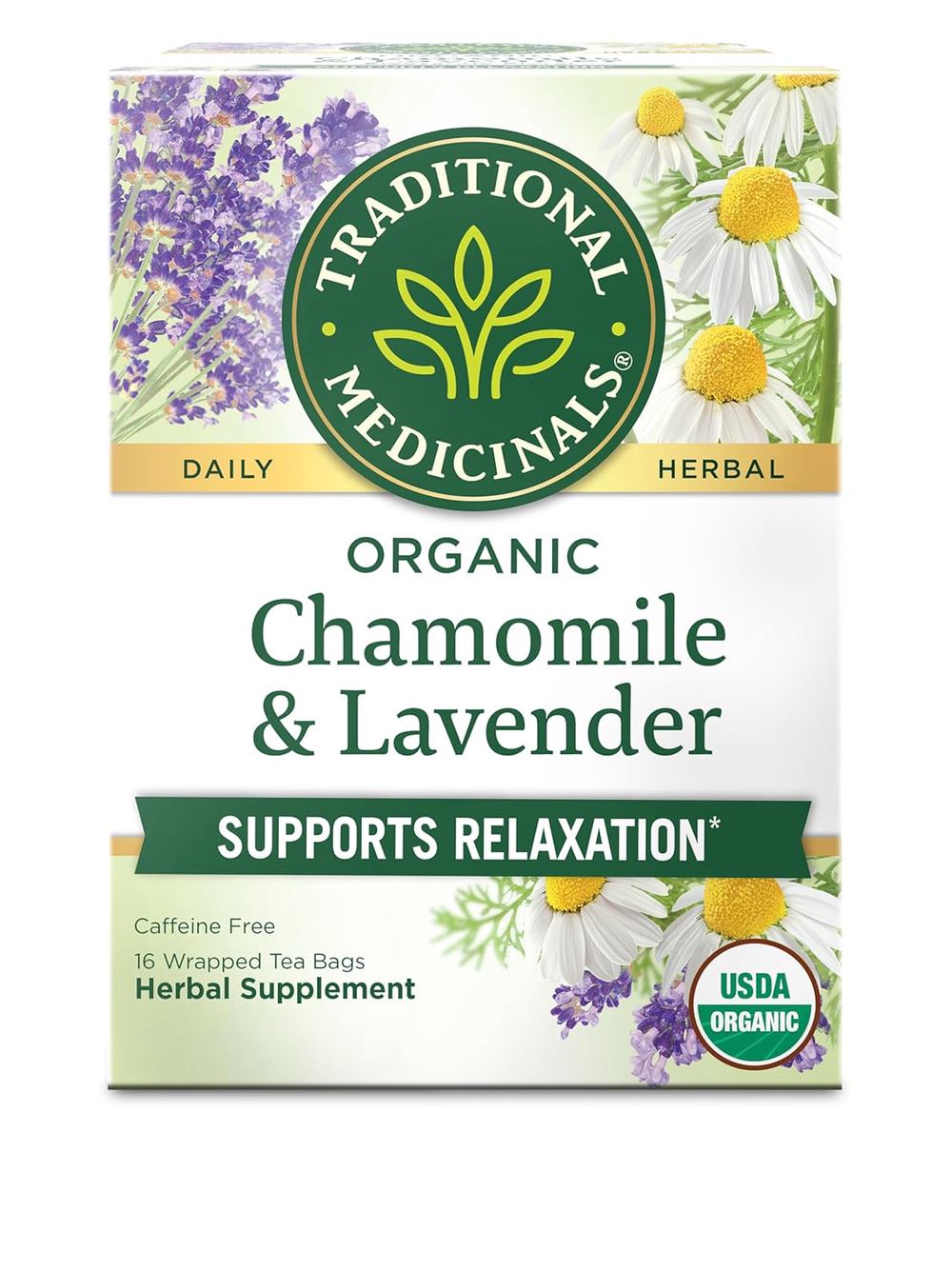
Start by moving your drink earlier in the evening, at least three hours before bedtime. Better yet, designate several alcohol-free nights per week. On those nights, experiment with a calming evening routine that does not rely on alcohol — such as a warm cup of herbal tea, a short walk, light stretching, or reading a physical book. These cues can help signal to your body that it is time to wind down, without the need for a drink.
If you do choose to drink, pair each alcoholic beverage with a glass of water. Staying hydrated can reduce the severity of next-day effects, including anxiety. Finally, pay attention to how you feel on mornings after you have had a drink versus mornings after you have not. Many people find that the difference is noticeable enough to motivate a lasting change.
Your nightly drink may feel like a harmless comfort, but the evidence is clear: it can undermine the very rest and calm you are seeking. Protecting your sleep is one of the most effective things you can do for your mental and physical health. A small shift in your evening habits might be all it takes to wake up feeling steadier, clearer, and more at ease.