Your skin barrier works hard all day, but nighttime is when it should be repairing. Yet a single common habit may be undoing that recovery without you realizing it. Many people unknowingly compromise their skin's protective layer during the night, leading to dryness, irritation, and breakouts — even if their daytime routine seems solid.
Here’s the mistake: sleeping with a dirty pillowcase, or worse, not washing your face before bed. But there’s more to it than just skipping cleanser. The real damage often comes from what you apply — or don’t apply — right before you close your eyes.
What happens to your skin barrier at night
Your skin barrier, also called the stratum corneum, is a thin outer layer that locks in moisture and keeps irritants out. At night, blood flow to the skin increases and cell turnover ramps up. This makes the barrier more receptive to products — but also more vulnerable to disruption if you use the wrong things or nothing at all.
When you skip a nighttime routine or use harsh ingredients, the barrier can weaken. Transepidermal water loss (TEWL) increases, leaving skin feeling tight, flaky, or sensitive by morning. Over time, a compromised barrier can trigger inflammation, clogged pores, and uneven texture — even in skin that was previously balanced.
The most common nighttime mistake: overloading or under-treating
The biggest error is treating nighttime skincare as an afterthought. Some people pile on heavy creams without considering whether their skin actually needs that much occlusion. Others wash with a harsh foaming cleanser and apply nothing afterward, assuming their skin will self-regulate. Both extremes can harm the barrier.
Another subtle but common mistake is using active ingredients like retinol, alpha hydroxy acids (AHAs), or benzoyl peroxide too frequently without proper hydration layers. These ingredients can accelerate cell turnover — beneficial in moderation — but without a moisturizer or a soothing product, they strip the barrier overnight. The result: red, peeling, or stinging skin by morning.
Even oil-based products can backfire. While oils like moringa oil contain nourishing fatty acids, applying them without first cleansing properly can trap dirt and bacteria against the skin. That can trigger congestion and breakouts, especially for those with acne-prone or combination skin.
How to protect your skin barrier at night
Start with a gentle double cleanse if you wear makeup or sunscreen. Use a non-stripping oil or micellar water first, then a mild water-based cleanser. Pat dry — never rub.
Apply treatments (if any) on damp skin. Serums with ceramides, niacinamide, or hyaluronic acid help reinforce the barrier. Let each layer absorb before moving to the next.
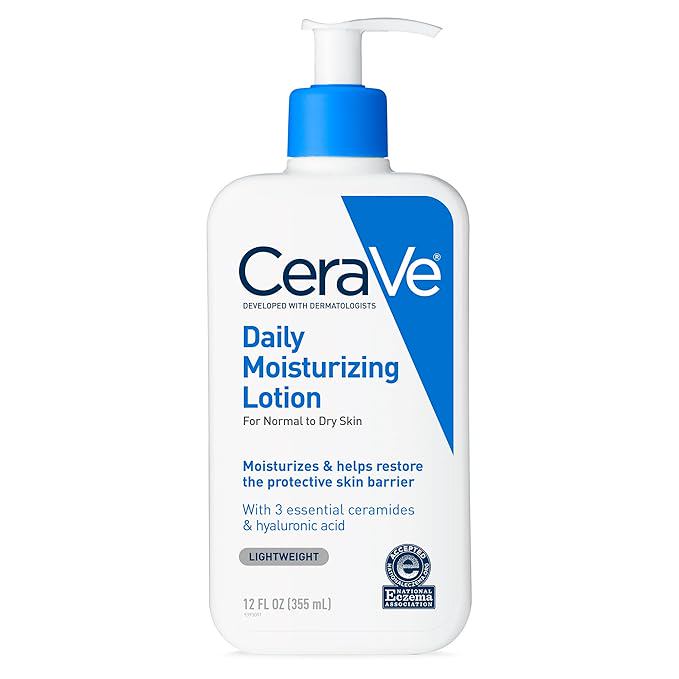
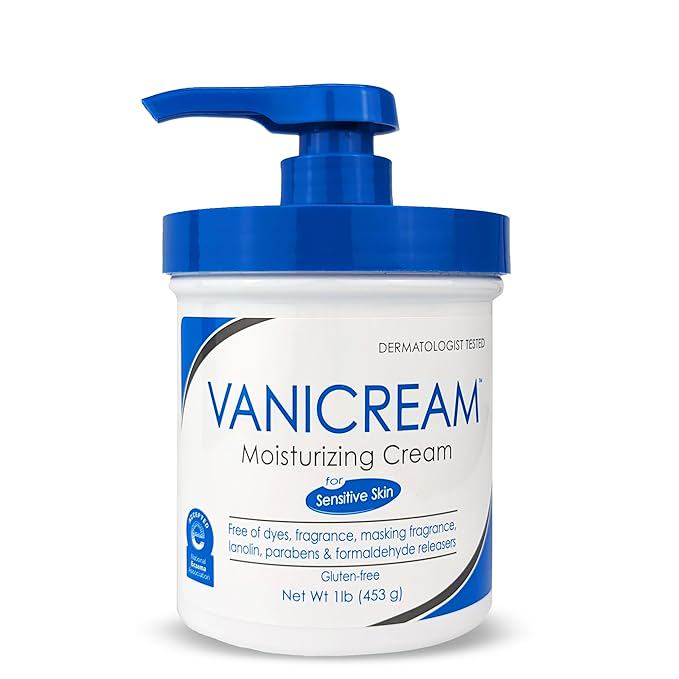
Finish with a moisturizer suited to your skin type. For dry skin, a richer cream with shea butter or squalane can seal in hydration. For oily or combination skin, a lightweight gel or lotion with glycerin may work better. The goal is to maintain hydration without suffocating pores.
What about overnight masks and oils?
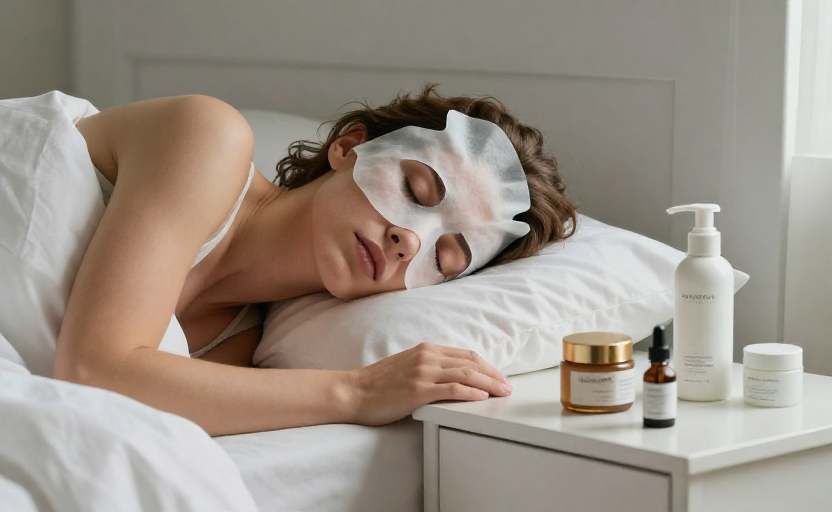
Sleeping masks and facial oils can be helpful — if used correctly. Apply them as the last step in your routine, not the only step. Oils alone don't hydrate; they lock in moisture from the products underneath. Without a hydrating base layer, an oil can sit on top of dry skin and do little for the barrier.
If you use an oil, choose one that matches your skin's needs. Moringa oil is rich in oleic acid, which penetrates well and replenishes moisture. It also has anti-inflammatory properties. But it may not suit everyone. Those with oily or sensitive skin should patch test first. If you have active acne or a condition like dermatitis, consult a dermatologist before adding new oils.
Pillowcases and sleep environment matter too
Your pillowcase collects oil, sweat, dead skin cells, and product residue. Sleeping on the same side night after night without washing the case can transfer bacteria and irritants back onto your face. This can worsen acne and disrupt the skin barrier. Swap pillowcases at least twice a week, and consider silk or satin materials that create less friction.
Humidity in your bedroom also affects your skin. Dry air, especially during winter or in air-conditioned rooms, increases water loss from the skin. Using a humidifier can help maintain a balanced moisture level while you sleep.
Signs your skin barrier may be damaged
- Persistent dryness or flaking even after moisturizing
- Redness, stinging, or a burning sensation with products that used to feel fine
- Texture changes — rough patches, enlarged pores, or small bumps that weren't there before
- Breakouts that seem linked to dryness, not just oiliness
If you notice these signs, simplify your routine. Strip back to a gentle cleanser, a basic moisturizer, and — if needed — a single barrier-supporting serum. Give your skin at least two weeks to recover before reintroducing actives.
When to see a professional
If barrier damage persists despite adjustments, or if you experience severe acne, eczema, or dermatitis, a dermatologist can help identify the root cause. A compromised barrier can also signal underlying conditions like rosacea or seborrheic dermatitis that need targeted treatment.
Building a consistent, respectful nighttime routine is one of the most effective ways to protect your skin barrier. Pay attention to what your skin is telling you — and resist the urge to overcomplicate things. Sometimes the best nighttime habit is simply doing less, but doing it consistently.