
You wake up, rub your eyes, and reach for your phone. It feels automatic. But that simple morning gesture — repeated for months or years — could be slowly etching lines into the delicate skin around your eyes.
The area around your eyes is the thinnest skin on your body, roughly 0.5 millimeters thick. It has few oil glands and less collagen and elastin than the rest of your face. That means every pull, rub, and squint leaves a lasting mark over time. One common morning habit, in particular, may be deepening crow's feet in ways most people never consider.
What Is the Habit?
It's the act of rubbing your eyes vigorously first thing in the morning. You might do it because you're tired, your eyes feel dry from overnight air exposure, or seasonal allergies have left them itchy. But the motion itself — pressing, pulling, and dragging the skin around your eyes — creates repeated mechanical stress on a fragile area.
This kind of repetitive friction can lead to what dermatologists call "dynamic wrinkles." Over time, the collagen and elastin fibers under the surface break down, and the skin loses its ability to snap back into place. The result? Deeper, more pronounced crow's feet even when your face is at rest.
Why Mornings Are the Riskiest Time
Your skin undergoes significant repair and fluid shifts while you sleep. By morning, the area around your eyes can be slightly puffy. This puffiness makes the skin feel tighter and, paradoxically, more vulnerable. The pressure from rubbing can distort the delicate microcirculation under the eyes, leading to fluid retention and even more swelling in the short term.
Morning is also when many people experience the sensation of dry eyes. Your tear production slows during sleep, leaving the cornea less lubricated. Rubbing stimulates tear reflex, but it also stretches the skin around the eye in ways that create shear forces—side-to-side and up-and-down micro-tears in the dermis.
A single firm rub for five seconds can stretch the periorbital skin beyond its normal elastic limit. After years of repetition, that elasticity is gone.
The Mechanism: How Rubbing Becomes Wrinkling
Three processes are at play when you rub your eyes repeatedly:
- Mechanical stress: The skin is folded, pinched, and stretched. The orbicularis oculi muscle underneath tightens during rubbing, which further creases the skin over time.
- Collagen degradation: Each rub breaks down existing collagen. The body tries to repair it, but the repair is never perfect. Over years, this leads to structural thinning and loss of support.
- Inflammatory response: Friction triggers low-grade inflammation. Inflammatory enzymes called matrix metalloproteinases (MMPs) rise, breaking down the very collagen scaffolding that keeps crow's feet at bay.
Once those collagen fibers are gone, the skin cannot return to its youthful structure. Topical creams can help, but they cannot rebuild the lost internal architecture.
Factors That Make It Worse
Not everyone who rubs their eyes gets deep crow's feet. Genetics play a role, but so do other factors you should know about. Your personal risk of deepening crow's feet through this habit increases when you have:
- Dry indoor air from forced heating or air conditioning — especially overnight — compounding morning eye dryness
- Untreated allergies that drive nightly and morning itching
- Skin tone that is already thin or fair, where blood vessels are closer to the surface
- Habitual sleeping with your face pressed into a pillow, which already creases the same area
Better Alternatives for Morning Eye Care
Here is how to break the cycle and still address the root causes — dryness, itchiness, or puffiness — without damaging the skin around your eyes.
If Your Eyes Feel Dry
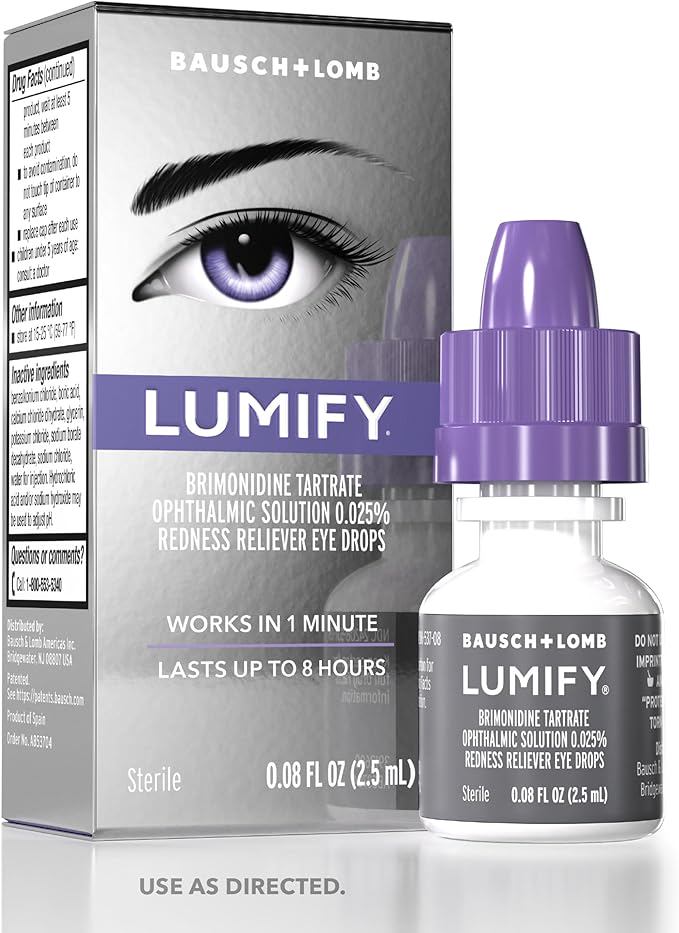
Reach for lubricating eye drops (artificial tears) before you use your hands. Keep a bottle on your nightstand. Apply one to two drops in each eye before you sit up. This reduces the urge to rub because the surface is already moist. Wait 30 seconds before blinking fully.
If Your Eyes Feel Puffy
Apply a cold compress or chilled gel eye mask for two to three minutes. The cold constricts blood vessels and reduces swelling naturally. You can also use a clean, soft washcloth dampened with cool water. Press gently — do not drag — over closed eyelids.
If Your Eyes Feel Itchy from Allergies
Use an over-the-counter antihistamine eye drop, not a vasoconstrictor drop, unless a doctor advises otherwise. Antihistamine drops directly target the immune response that makes you want to rub. Use one drop per eye, then wait five minutes before touching your face at all.
The Gentle Morning Face-Touch Method
When you must touch the eye area, use only the very tip of your ring finger. The ring finger has the least strength of any finger, making it safer for contact. Use a light tapping motion — never a swipe or rub. Pat eye cream or moisturizer onto the orbital bone, never directly under the eye with pressure.
How to Break the Habit Long-Term
The behavioral change takes time. Many people rub their eyes as a comfort reflex, which can be hard to stop. Here is a simple routine to retrain your morning response:
- Place a small sticky note on your nightstand or phone charger that says "Drops first."
- Keep artificial tears in the same spot every night.
- When you feel the urge to rub, place your palms over your eyes — without pressing — for 10 seconds.
- Then tap gently with your ring fingers, moving from the inner corner outward along the brow bone only.
After two weeks, this new sequence replaces the old rubbing habit with a protective one.
The Bottom Line
Crow's feet are a normal part of aging — they will come for all of us eventually. But the morning habit of vigorous eye rubbing can accelerate and deepen them far faster than sun exposure or genetics alone would dictate. The fix is simple: use drops instead of fingers, cold instead of friction, and patience instead of pressure. Your eyes — and the skin around them — will thank you for years to come.