
Most of us wake up and reach for something—water, coffee, a screen, a toothbrush. It’s automatic. What you might not realize is that one of these seemingly harmless morning actions could be quietly breaking down collagen, the structural protein that keeps skin firm, smooth, and resilient.
Collagen production naturally slows after age twenty-five, so anything that accelerates that decline is worth knowing about. The good news is that the fix is usually simple and doesn't require an expensive serum or a complicated new routine.
The usual suspect: morning caffeine on an empty stomach
If your first act of the day is a strong cup of black coffee or black tea on an empty stomach, you may be triggering a stress response that affects collagen. Caffeine increases cortisol, the body’s primary stress hormone. Cortisol, in turn, can inhibit the synthesis of collagen and even promote the breakdown of existing collagen fibers. On an empty stomach, the cortisol spike is sharper because there’s no food to buffer the release.
This doesn’t mean you need to give up your morning brew. The issue is the timing and context—not the coffee itself. A cup of coffee consumed after a balanced breakfast or alongside protein and healthy fat creates a very different metabolic response.
The “sugar coffee” trap
A related habit is the morning latte or coffee drink that’s heavy on sugar, syrups, or sweetened creamers. When you consume high amounts of sugar on a relatively empty stomach, it triggers a process called glycation. Sugar molecules bind to proteins—including collagen and elastin—forming harmful compounds called advanced glycation end products (AGEs). AGEs make collagen stiff, brittle, and less able to repair itself. That’s what contributes to fine lines and a loss of skin bounce over time.
Think of it as sugar caramelizing your skin’s support structure from the inside.
Swapping a sweetened latte for a small plain coffee or unsweetened tea—and having it after a solid breakfast—can protect your collagen without giving up your morning ritual.
Another overlooked habit: skipping water first thing
After six to eight hours of sleep, your body is mildly dehydrated. Collagen fibers need adequate hydration to stay supple. Drinking water first thing—before caffeine—rehydrates the extracellular matrix and supports the fibroblast cells that produce collagen. A tall glass of water with a pinch of sea salt or a squeeze of lemon taken fifteen minutes before coffee is a small change that adds up.
This is also a good moment to check your environment. Morning heat from long, hot showers can degrade surface collagen over time, especially when combined with harsh cleansers. A warm—not scalding—rinse is gentler on the skin’s structural layer.
What to do instead: a simple three-step swap
You don’t need a complicated protocol. Many people notice a difference with these three shifts:
- Rehydrate first. Drink a full glass of water when you wake up. This supports cellular function and primes the skin’s matrix for repair.
- Eat before caffeine. A small protein- and fat-rich breakfast—like eggs, yogurt, or a handful of nuts—dampens the cortisol response and protects collagen synthesis.
- Choose unsweetened. Skip the sugary syrups and flavored creamers. If you need a sweet note, a dash of cinnamon or unsweetened almond milk works without triggering glycation.
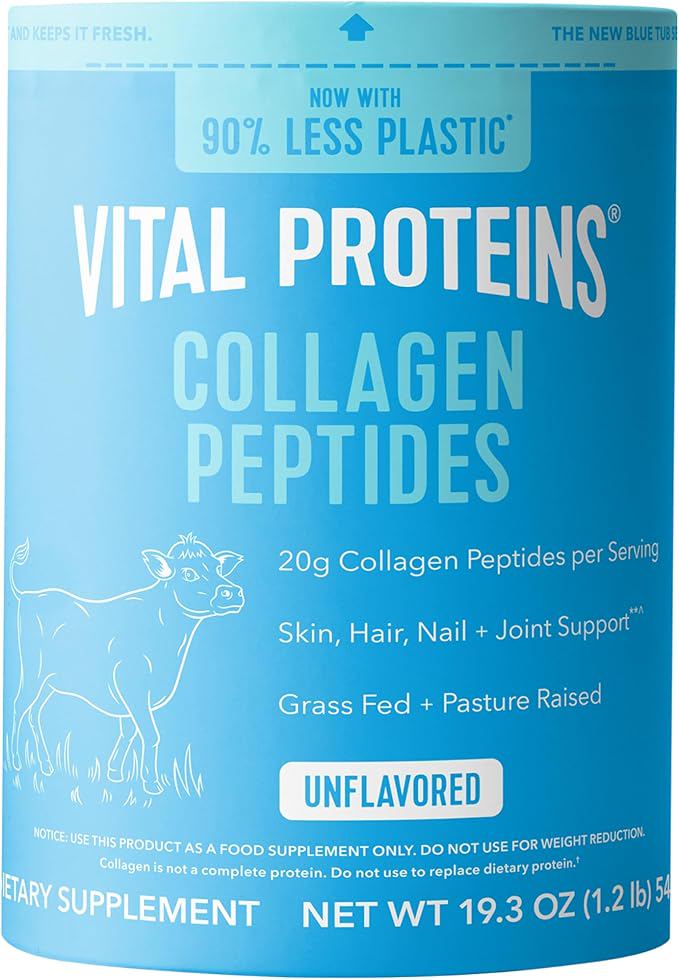
For those who cannot stomach food early, a protein shake or a collagen peptide supplement mixed into water can serve as a buffer before coffee.
A note on morning sun exposure
One more factor sometimes overlooked: Many people grab coffee and sit by a sunny window or step outside immediately after washing their face. Before 10 a.m., UV exposure is lower than midday, but if you use certain skincare ingredients like retinol or AHAs overnight, your skin can be temporarily more photosensitive. Morning sunlight + unprotected skin + inflamed collagen is a combination that accelerates breakdown. A broad-spectrum moisturizer with SPF applied after your morning wash—and before coffee—is an easy layer of protection.
Collagen loss is inevitable with age, but morning habits can either speed it up or slow it down. The fix isn’t about perfection—it’s about sequencing. Water before coffee, food before caffeine, and a gentle morning routine go a long way toward keeping your skin’s support system intact.