Many of us with curls reach for a cup of coffee first thing in the morning, but that daily ritual could be quietly contributing to a frustrating problem: scalp buildup. While coffee offers a welcome jolt of energy, its effects on the scalp—especially for those with textured, curly hair—are worth a closer look. The good news is that understanding how this happens gives you the power to adjust your routine without giving up your morning mug entirely.
Curls need a balanced scalp environment to thrive. When buildup accumulates, it can clog hair follicles, dull shine, and even slow down growth. If you’ve noticed more flakes, itchiness, or a weighed-down feeling at your roots despite regular washing, the culprit might be sitting in your favorite ceramic mug.
How Your Morning Drink Affects Scalp Health
It’s not necessarily the caffeine itself that causes problems—it’s the compounds naturally present in coffee that can interact with the scalp’s delicate ecosystem. Coffee contains oils, acids, and fine particles that, when consumed frequently, may influence how your scalp behaves.
Direct Contact vs. Systemic Effects
For most people, drinking coffee doesn’t directly coat the scalp. However, the compounds in coffee can influence sweat and sebum production. Caffeine stimulates the central nervous system and can increase the activity of sweat glands. For curly-haired individuals, who often go several days between washes, changes in scalp oiliness or sweat composition can contribute to a sticky buildup that clings to the hair shaft and scalp skin.
The Real Link Between Coffee and Scalp Buildup
Research into the specific relationship between coffee consumption and scalp buildup is still emerging, but dermatologists and trichologists have observed some consistent patterns:
- Increased sebum production: Caffeine can stimulate the adrenal glands, which may lead to slightly higher oil production on the scalp over time.
- Dehydration effects: Coffee is a mild diuretic. Even slight dehydration can cause the scalp to overcompensate by producing more oil, creating a cycle of buildup.
- Acidic residue: Coffee is acidic. For those with sensitive scalps or conditions like seborrheic dermatitis, acidic compounds can irritate the scalp, leading to flaking that mixes with natural oils and product residue.
This doesn’t mean everyone with curls needs to quit coffee. It means being aware of how your body responds and adjusting your hair care routine accordingly.
If your curls feel heavy at the roots three days post-wash, or you notice more flakes than usual, coffee’s impact on your scalp chemistry may be worth investigating.
Signs Your Scalp Is Telling You Something
Buildup doesn’t always announce itself loudly. Here’s what to watch for if you suspect your morning drink is playing a role:
- Persistent itchiness at the crown or hairline, even right after washing
- Curls that lose definition and springiness at the root but remain bouncy mid-shaft to ends
- A grayish or yellowish film on the scalp that doesn’t rinse away easily
- More flakes than usual, especially if they’re yellowish or sticky rather than dry and white
- Hair that feels “heavy” or limp soon after styling
What You Can Do Without Giving Up Coffee
It’s rarely necessary to eliminate a beverage you enjoy entirely. Instead, consider these adjustments that respect both your morning ritual and your curls:
Adjust Your Washing Schedule
If you drink coffee daily and wash your hair every 5–7 days, you might benefit from an extra gentle co-wash midway through the week. A simple water rinse followed by a lightweight conditioner on your scalp can help remove the film before it builds up into a problem.
Try a Scalp-Scrubbing Tool
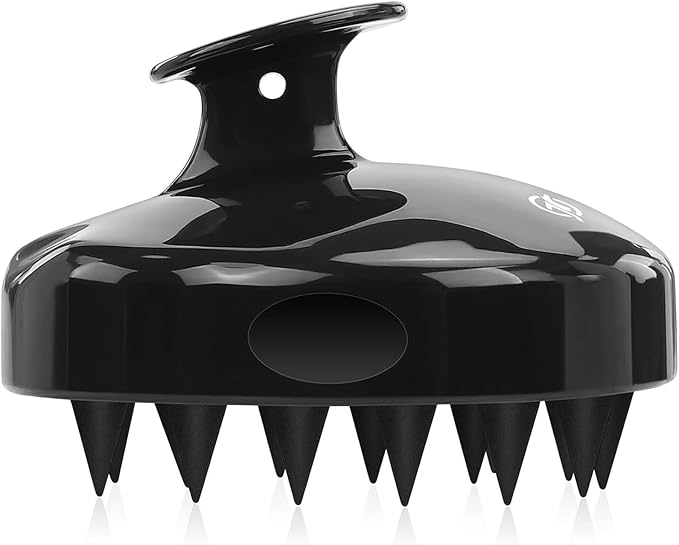
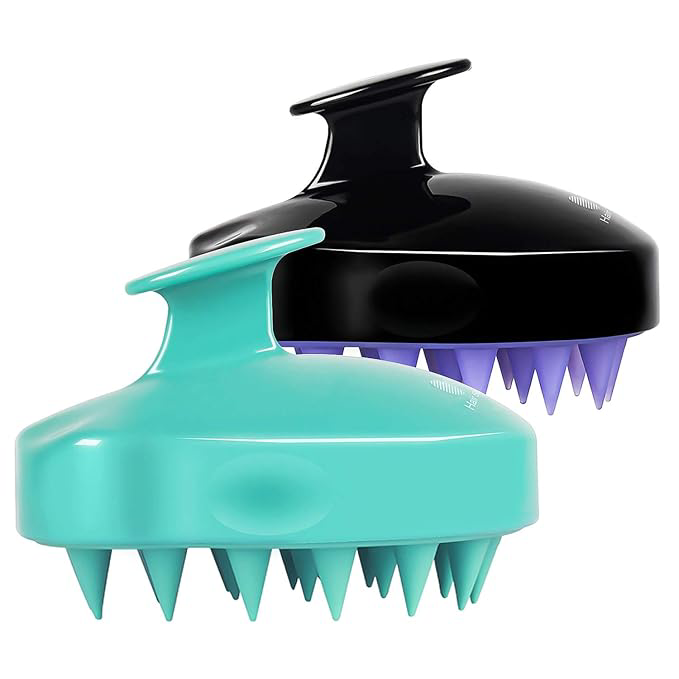
A silicone scalp massager or soft-bristle brush used during shampooing can lift buildup more effectively than fingertips alone. This is especially helpful for curly textures where product residue, dead skin cells, and environmental particles tend to accumulate at the root.
Rinse with Diluted Apple Cider Vinegar
A once-a-week rinse with diluted apple cider vinegar (one to two tablespoons per cup of water) can help rebalance scalp pH and dissolve the kind of buildup that coffee consumption may encourage. Always follow with a good conditioner, as ACV can be drying if left on too long.
Hydrate Strategically
Since coffee can be mildly dehydrating, increasing your water intake—especially before and after your morning cup—can help your scalp maintain a more stable oil production. For every cup of coffee, try drinking an extra glass of water.
When to Consider Cutting Back
If you’ve tried the adjustments above and still notice significant buildup, it may be worth experimenting with a two-week caffeine break. This doesn’t have to mean quitting coffee entirely—simply reducing to one small cup in the morning or switching to a lower-acid roast may make a noticeable difference to your scalp’s balance.
Some people find that green tea or matcha offers a more scalp-friendly caffeine source, as these contain antioxidants that may reduce inflammation rather than contribute to buildup.
Your curls and your morning ritual can coexist. The key is understanding how your body responds and giving your scalp the support it needs to stay clear.
Building a Scalp-Friendly Morning Routine
Beyond managing coffee intake, your overall morning habits can support a healthier scalp environment for curls:
- Start your day with a glass of water before your coffee to offset dehydration
- Avoid heavy styling products on the days you drink multiple cups
- Incorporate a lightweight toner or scalp spray specifically designed to combat buildup
- If you use dry shampoo, apply it sparingly and only at the roots, brushing it through with a soft bristle brush before bed
The scalp is living skin, not just a base for hair. When it’s healthy, curls have the foundation they need to be defined, shiny, and resilient. By tuning into how your morning habits affect that foundation, you can make choices that keep your scalp clear and your curls happy.