That 3 p.m. snack you reach for when energy dips might be doing more than just perking you up. Many common midday choices—especially those high in salt, sugar, or caffeine—can quietly work against your body's fluid balance and trigger a subtle rise in stress hormones. Understanding the connection between what you eat and how your body regulates hydration and cortisol can help you make better choices that support steady energy without the hidden metabolic cost.
What happens to hydration when you eat the wrong snack
The body maintains a delicate balance of fluids and electrolytes to keep every cell functioning properly. When you eat a snack that is heavily processed or loaded with sodium, your kidneys have to work harder to excrete the excess salt, pulling water from your cells in the process. This can leave you feeling slightly dehydrated even if you drank enough water earlier in the day. Common offenders include pretzels, chips, salted nuts, and many packaged protein bars that contain more sodium than you might expect.
“Sodium draws water out of your cells and into your bloodstream,” explains Dr. Priya Sharma, a clinical nutritionist. “If you’re not drinking extra fluids to compensate, that shift can leave your tissues under-hydrated even while your blood volume appears normal.” The result is often a dull headache, dry mouth, or a feeling of sluggishness that most people mistake for needing more coffee rather than more water.
The sugar-cortisol loop nobody warns you about
Refined sugars and high-glycemic carbohydrates—think candy bars, sugary granola bites, or sweetened yogurt—cause a rapid spike in blood glucose. Your pancreas responds by releasing insulin, which quickly pulls sugar out of the bloodstream. But that sharp drop in blood sugar signals your adrenal glands to release cortisol, the body’s primary stress hormone.
“Cortisol is meant to help you handle acute stressors, not a daily blood sugar roller coaster,” says Dr. Sharma. “When you trigger that spike-and-crash pattern every afternoon, your cortisol levels stay elevated longer than they should.” Chronically raised cortisol can interfere with sleep, dampen immune function, and even encourage fat storage around the abdomen. It also suppresses thirst cues, making you less likely to reach for water when you actually need it.
“High sugar intake mid-afternoon doesn’t just give you a temporary energy jolt. It sets off a hormonal cascade that can leave you dehydrated and strung out by dinner.”
— Dr. Priya Sharma, clinical nutritionist
Caffeine: a double-edged sword in the afternoon
Many people turn to a second cup of coffee or a caffeinated soda to push through the post-lunch slump. Caffeine is a mild diuretic, meaning it encourages the kidneys to flush out more fluid than they normally would. In moderate amounts, this effect is usually offset by the water content of the beverage itself. But when you lean on caffeine-heavy drinks without drinking plain water alongside them, you can end up net-negative on hydration by the end of the afternoon.
Caffeine also stimulates the release of adrenaline and cortisol. A single dose can raise cortisol levels for several hours, especially in people who don’t consume it regularly. If you’re already dealing with an afternoon sugar spike, adding caffeine can compound the stress-hormone response, leaving you feeling jittery and tired at the same time.
How to choose a smarter midday snack
Replacing the typical desk-drawer options with whole-food snacks can help you avoid the dehydration-and-cortisol trap. Look for snacks that combine protein, healthy fat, and fiber to stabilize blood sugar and support fluid balance.
- Fresh vegetables with hummus or avocado. The water content in cucumbers, bell peppers, and celery boosts hydration naturally, while the protein and fat in hummus or avocado slow digestion and prevent blood sugar spikes.
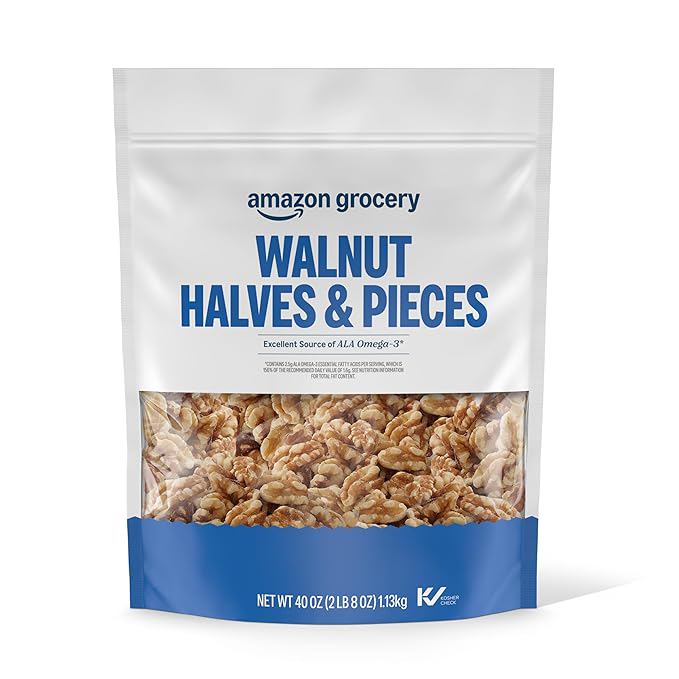
- A handful of unsalted almonds or walnuts. Nuts provide magnesium and healthy fats, both of which support adrenal function and help regulate cortisol. Just be sure to choose unsalted varieties to keep sodium in check.
- Plain yogurt with berries. Greek yogurt delivers protein and calcium, and berries add fiber with a lower sugar load than dried fruit or sweetened toppings. Stir in a splash of water or a few ice cubes if the yogurt is thick.
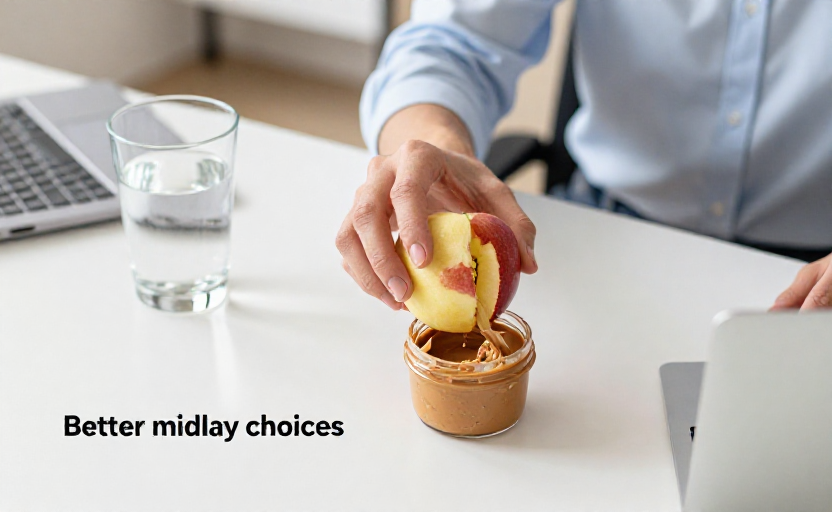
- An apple with a tablespoon of peanut butter. The fiber in the apple slows sugar absorption, and the protein and fat in the nut butter help sustain energy without the crash.
One more thing: timing and water matter
When you eat can be as important as what you eat. Grabbing a snack at the very moment you feel a slump sets you up to overeat or choose the quickest fix. Instead, try drinking a full glass of water first and waiting 10 minutes. Often, mild dehydration masquerades as hunger or fatigue. If you still feel the need to eat after that pause, you can make a more deliberate choice.
“Most people underestimate how much water they lose through normal breathing and perspiration by mid-afternoon,” notes Dr. Sharma. “Pairing a balanced snack with 8 to 12 ounces of water can restore both energy and hydration without triggering the hormonal seesaw.”
The afternoon snack doesn’t have to be a hidden source of stress. By choosing whole, minimally processed foods and staying mindful of sodium and sugar, you can support steady energy, stable cortisol, and better hydration—all without the crash that follows a typical convenience snack. A small shift in habit can make a noticeable difference in how you feel the rest of the day.