
You might think your midday slump is harmless — just a sign that you need coffee or a snack. But for many people, what they do (or don't do) between 10 a.m. and noon is quietly reinforcing a pattern of rounded shoulders and nagging neck tension.
The culprit? Prolonged, uninterrupted sitting with the head jutted forward — often while staring at a phone or computer screen during that mid-morning work block. This habit, repeated day after day, teaches the upper body to collapse forward, straining the muscles of the neck, upper back, and shoulders.
Why mid-morning is a trouble zone
Morning routines often start with good posture — we walk upright, stretch after waking, and sit relatively tall at the start of the workday. But by mid-morning, fatigue sets in, focus narrows, and posture deteriorates. The head drifts forward, the shoulders roll inward, and the upper back rounds.
This isn't just about looking slouched. When the head moves forward just one inch, the effective weight of the head on the neck increases significantly — from about 10–12 pounds to nearly 30 pounds. The muscles of the upper trapezius, levator scapulae, and suboccipitals have to work overtime to keep the head stable. Over weeks and months, this creates a cycle of tension, discomfort, and postural adaptation.
If your mid-morning habit is to hunch over a laptop without breaks, or to scroll through a phone while drinking coffee, you're telling your body to adopt that forward-head, rounded-shoulder position as its default.
The rounded-shoulder and neck-pain connection
Rounded shoulders are more than a cosmetic concern. They alter the mechanical relationship between the shoulder blades, the rib cage, and the spine. When the shoulders roll forward, the space where the rotator cuff tendons glide becomes narrower, making impingement more likely. The pectoral muscles tighten, while the muscles between the shoulder blades (rhomboids and mid-traps) lengthen and weaken.
This imbalance pulls the head forward, placing strain on the neck. Common symptoms include:
- A dull ache at the base of the skull or between the shoulder blades
- Headaches that start in the neck and radiate upward
- Stiffness when turning the head side to side
- A feeling of heaviness in the shoulders
Many people mistake this for a stress headache or poor sleep posture, but the trigger is often a daily habit: the way they sit and hold their head during that mid-morning work sprint.
How to break the mid-morning posture trap
You don't need a complete workspace overhaul. Small adjustments during that specific window can make a real difference. Try these:
- Set a posture check-in at 10:30 a.m. Use a phone alarm or browser extension. When it goes off, take three seconds to roll your shoulders back, gently tuck your chin, and reset your head over your shoulders.
- Stand for one minute every 30 minutes. A standing break doesn't need to be long. Even 60 seconds of walking in place or doing a doorway chest stretch loosens the muscles that have been holding the slouch position.
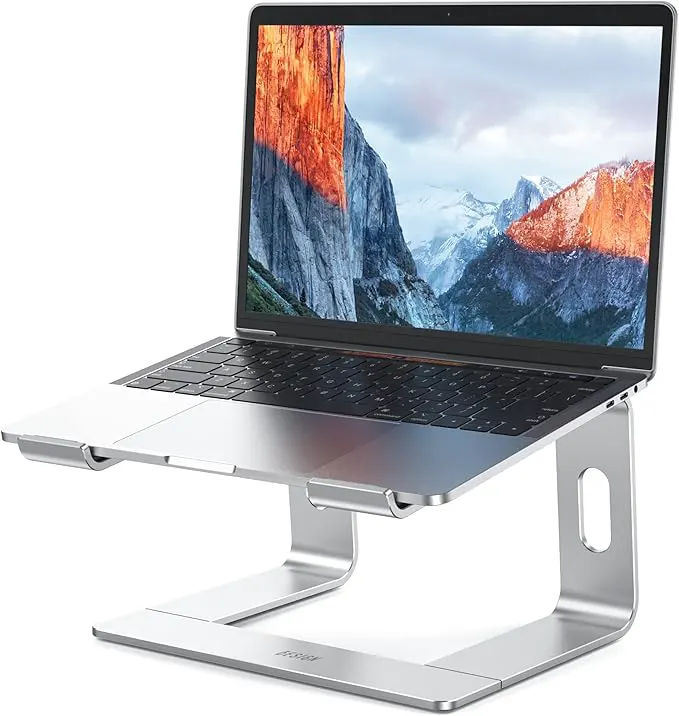
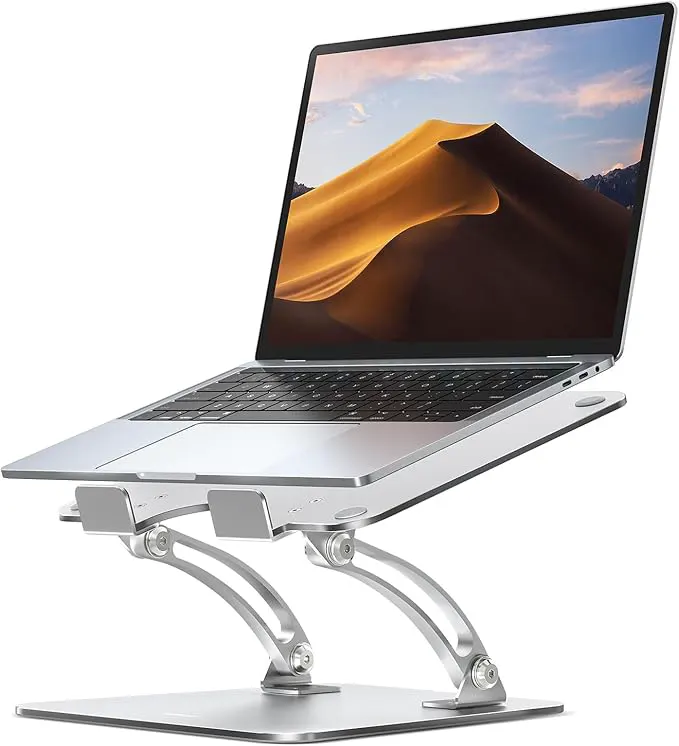
- Raise your screen. If you're working on a laptop, place it on a stand or a stack of books so the top third of the screen is at eye level. This helps keep your head from dropping forward.
- Change your coffee or tea break. Instead of sitting and scrolling, take your drink away from your desk. Walk to a window, stand, or sit in a chair that doesn't encourage slumping. Let your shoulders relax down away from your ears.
"The mid-morning break is actually a powerful opportunity to reset posture — most people just waste it by staying in the same seated position they've been in all morning."
Movement counters the habit
Breaking the pattern also requires movement that opposes the slouch. Two simple exercises you can do right at your desk:
Chin tucks. Sit tall, pull your chin straight back (as if you're making a double chin), hold for 3 seconds, and release. Repeat 10 times. This strengthens the deep neck flexors and helps reset head position.
Shoulder blade squeezes. Roll your shoulders back and down, then gently squeeze your shoulder blades together. Hold for 5 seconds. Do this 8–10 times. It activates the muscles that keep your shoulders open and your neck long.
These moves won't fix years of poor posture overnight, but doing them during that critical mid-morning window interrupts the bad habit before it becomes cemented for the rest of the day.
When to seek help
If you have persistent neck pain that doesn't improve with posture changes, or if you experience numbness, tingling, or weakness in your arms or hands, see a healthcare provider. A physical therapist can assess your specific posture patterns and prescribe exercises tailored to your body. People with a history of cervical spine issues, like herniated discs or arthritis, should be especially careful about neck exercises — the chin tuck, for example, may aggravate certain conditions.
Posture is a habit, not a fixed trait. The mid-morning hours don't have to be a time of accumulating tension. A few mindful seconds of reset — repeated daily — can shift the trajectory of how your neck and shoulders feel for the rest of the day.