
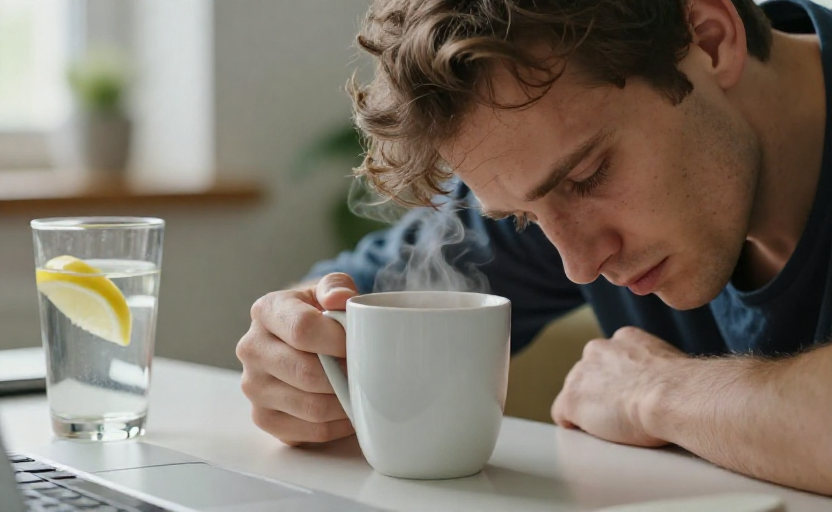
You might think that second cup of coffee or that mid-morning energy drink is giving you a boost, but your skin and stress levels may tell a different story. Many popular beverages consumed mid-morning can actually work against you, leaving your skin feeling dry and your stress hormones elevated. Understanding which drink habits are problematic can help you make a simple switch that supports both your complexion and your calm.
What happens when you choose the wrong mid-morning drink
By late morning, energy can dip and cravings often emerge. It is tempting to reach for a quick pick-me-up, but many conventional options contain ingredients that act as diuretics or stimulants. When you consume a beverage that promotes fluid loss, your skin can become dehydrated, appearing dull or tight. At the same time, certain compounds can trigger the release of cortisol and adrenaline, leaving you feeling wired rather than refreshed—and that stress reaction can show on your face over time.
Quick tip: If your afternoon slump hits harder after your mid-morning drink, that beverage may be a culprit.
The main offender: caffeine overload in disguise
Coffee and black tea are obvious sources of caffeine, but many mid-morning drinkers are surprised by how much caffeine is hiding in flavored lattes, bottled iced teas, and even some sparkling waters labeled as "energy" or "focus" blends. Caffeine is a mild diuretic, meaning it encourages your kidneys to flush out extra fluid. While moderate consumption is fine for most people, a mid-morning dose that exceeds 200–300 mg—roughly two to three cups of coffee—can leave your skin feeling parched by mid-afternoon.
Beyond hydration, caffeine stimulates your central nervous system. For some, this triggers a spike in cortisol, which is the body's primary stress hormone. Chronically elevated cortisol can disrupt sleep, increase anxiety, and even impair skin barrier function. The result is a double hit: you are simultaneously losing hydration and turning up your internal stress response.
Sugar and artificial sweeteners add to the problem
Many mid-morning drinks also contain high levels of added sugar or artificial sweeteners. A sugary flavored coffee drink or a bottle of sweetened iced tea can cause a sharp rise in blood glucose. Your body responds by releasing insulin and, in some people, additional cortisol. This blood sugar roller coaster can lead to energy crashes, irritability, and inflammation that shows up as tired-looking skin. Artificial sweeteners, while low in calories, may also disrupt the gut microbiome, which plays a role in skin health and mood regulation.
What to drink instead for hydrated, calm energy
Swapping your typical mid-morning drink for a hydrating, low-stimulant alternative can make a noticeable difference. Here are some options that support both skin hydration and stress balance:
- Herbal tea with low or no caffeine: Rooibos, chamomile, and peppermint teas are naturally caffeine-free and provide antioxidants that support skin health.
- Infused water with citrus or cucumber: Adding slices of lemon, lime, or cucumber to still or sparkling water encourages hydration without any of the downsides of caffeine or sugar.
- Coconut water: It contains natural electrolytes, making it an excellent choice for rehydrating after the early morning rush.
- Green tea with lower caffeine: If you still want a small caffeine boost, opt for a single cup of green tea, which has less caffeine than coffee and contains L-theanine, an amino acid that promotes a calm, focused state.
Reminder: Water is always the safest default when you are unsure. Even slight dehydration can affect your skin's appearance and your ability to manage stress.
How to make the switch without feeling deprived
Changing a mid-morning habit can be challenging, especially if you have relied on a certain drink for energy. Try reducing gradually: mix your regular coffee with a decaf version or dilute a sweetened drink with sparkling water. Pay attention to how your skin feels by midday and whether your mood stays steady. Many people notice that within a week of switching to a more hydrating, lower-stimulant option, their skin looks plumper and they feel less jittery.
The bigger picture: lifestyle habits that compound the effect
Your mid-morning drink choice does not exist in isolation. If you are also skimping on sleep, eating a high-sodium diet, or skipping water earlier in the day, the dehydrating effects of a caffeinated or sugary drink become magnified. Likewise, ongoing stress from work, relationships, or lack of downtime can keep cortisol levels high, making your skin more reactive. By addressing your mid-morning beverage as part of a broader approach—improving sleep, reducing dietary salt, and practicing short stress-management breaks—you give your skin and nervous system a stronger foundation.
A single drink choice may seem minor, but mid-morning is a time when your body is already working to maintain hydration after a night of fasting. Choosing a beverage that works with your body rather than against it can help you end the day with more energy, fewer stress spikes, and skin that looks as healthy as you feel.