
You’ve heard the advice a hundred times: eat smaller, more frequent meals to keep your metabolism humming. It sounds logical—steady fuel, steady burn. But if you’re running on too little sleep, that same strategy can actually work against you. New research and expert insight reveal that when you’re sleep-deprived, your body processes food differently, and the old “graze all day” rule may backfire.
Here’s what’s happening under the surface. Sleep deprivation disrupts two key hormones: ghrelin, which signals hunger, and leptin, which tells you you’re full. When you haven’t slept enough, ghrelin spikes and leptin drops—so you feel hungrier and less satisfied after eating. At the same time, your body’s insulin sensitivity takes a hit, meaning glucose lingers in your bloodstream longer. That combination can push you toward overeating, especially high-carb or sugary foods, while your metabolism struggles to keep up.
Why “grazing” backfires on low sleep
The conventional wisdom of six small meals a day is meant to stabilize blood sugar and prevent energy crashes. But when you’re sleep-deprived, your circadian rhythm—your internal clock—also governs how your body handles nutrients. Studies show that eating late at night or spreading meals too thin across a disrupted day can throw off your metabolic timing. Your body may store more fat and burn fewer calories, particularly if those small meals include processed snacks or simple carbs that your sleep-deprived brain craves.
One 2019 study from the University of Colorado found that sleep-deprived participants who ate the same number of calories as well-rested participants burned about 5–20% fewer calories after meals. Another study from King’s College London linked sleep loss to a 5% increase in calorie intake the next day, with participants gravitating toward higher-fat, higher-sugar choices. The takeaway: your metabolism doesn’t just slow down—it also becomes less efficient at processing what you eat, especially if you’re eating frequently.
Brief note: This isn’t about giving up on healthy eating when you’re tired. It’s about aligning your meal pattern with your body’s actual state.
A smarter approach for sleep-deprived days
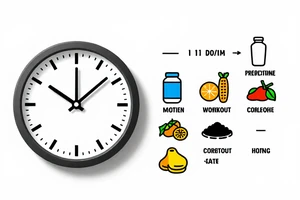
Instead of forcing the “six small meals” rule, experts suggest adjusting your eating window. If you’ve had a bad night, try consolidating your food intake into a tighter window—say, 8 to 10 hours during the day. This approach, often called time-restricted eating, helps your body process food more efficiently when insulin sensitivity is better (which is typically earlier in the day). It also reduces the temptation to snack late at night, when your metabolism is naturally winding down.
Practical steps include:
- Start with a protein-rich breakfast within an hour of waking. Protein helps stabilize appetite and blood sugar.
- Plan two to three larger meals rather than constant small snacks. This gives your digestive system longer breaks.
- Cut off eating at least three hours before bed. Late-night eating is strongly linked to poorer sleep quality and higher blood sugar the next morning.
- Hydrate with water first—thirst can mimic hunger, and sleep deprivation blunts your ability to tell the difference.
Food choices matter more than ever when you’re tired
When you’re sleep-deprived, your prefrontal cortex—the rational, decision-making part of your brain—takes a back seat. Your amygdala, which drives cravings and reward-seeking, revs up. That’s why you reach for the doughnut, not the apple. To counter this, stock your kitchen with ready-to-eat, nutrient-dense options. Think chopped vegetables, hard-boiled eggs, Greek yogurt, nuts, and berries. These require no cooking or willpower to grab.
Avoid relying on caffeine or sugar to push through the afternoon slump. Both can further disrupt your sleep the next night, creating a vicious cycle. Instead, take a 10-minute walk or do some light stretching—movement helps regulate blood sugar and boosts alertness more sustainably than another cup of coffee.
One more mistake: skipping meals to “save calories”
It’s tempting to think that if you’re going to sleep poorly and feel sluggish, you might as well eat less to avoid weight gain. But skipping meals when sleep-deprived often backfires. Your body is already under metabolic stress, and skipping food can tank your blood sugar, making you irritable and more prone to binge later. Your cortisol levels—already elevated from lack of sleep—can rise even higher if you go too long without eating, which encourages belly fat storage.
The better strategy is to eat consistently but intentionally: stick to real foods, avoid processed junk, and keep your eating window reasonable. Your metabolism doesn’t need a constant drip-feed—it needs smart timing and real nourishment, especially when you’re running on empty.