
When you lose weight, the goal is to lose fat—not muscle. Yet many standard calorie-restricted diets lead to a measurable loss of lean mass along with the fat. That's where meal timing comes in. Growing research suggests that when you eat may be as important as what you eat for preserving muscle tissue during a calorie deficit.
Rather than simply eating less, the strategy involves structuring your protein and nutrient intake around your body's natural daily rhythms and your activity patterns. The aim is to keep your muscles in a positive protein balance, even as your overall calorie intake drops.
Why Muscle Loss Happens During Weight Loss
A calorie deficit forces your body to tap into stored energy. Unfortunately, some of that energy comes from breaking down muscle protein. This process is driven by hormonal shifts—lower insulin, higher cortisol—that can tip the balance toward muscle breakdown. Over time, losing muscle slows your metabolism, reduces strength, and makes it harder to keep weight off.
The key to protecting muscle is to signal to your body that it should preserve lean tissue. And one of the most powerful signals is the timing and pattern of protein intake.
The Core Strategy: Protein Pacing
Instead of eating most of your protein at dinner (a common pattern), the muscle-sparing approach distributes protein evenly across three to four meals. Each meal should contain roughly 25 to 40 grams of high-quality protein. This pattern, often called protein pacing, keeps blood amino acid levels steady throughout the day.
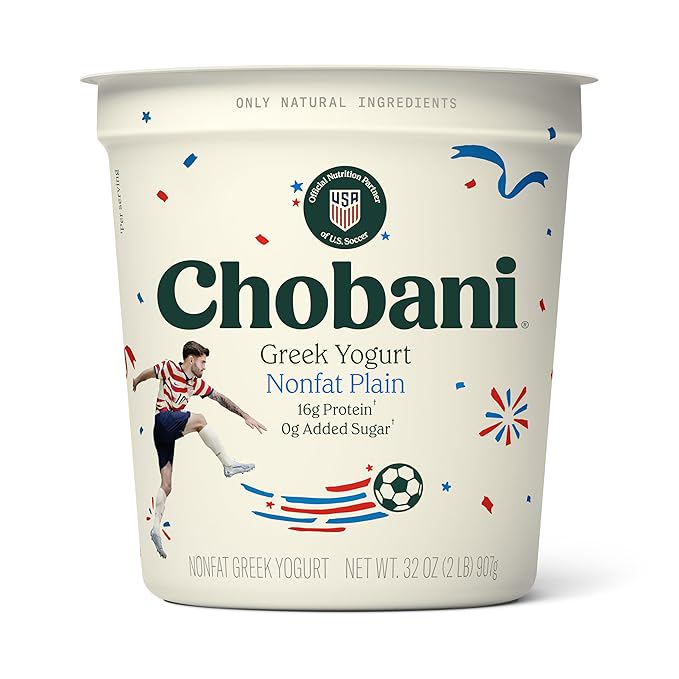
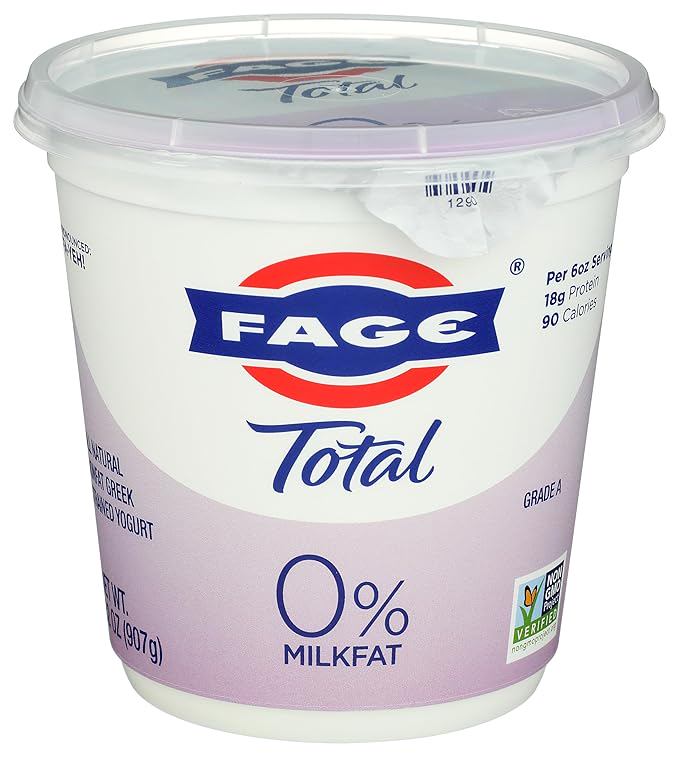
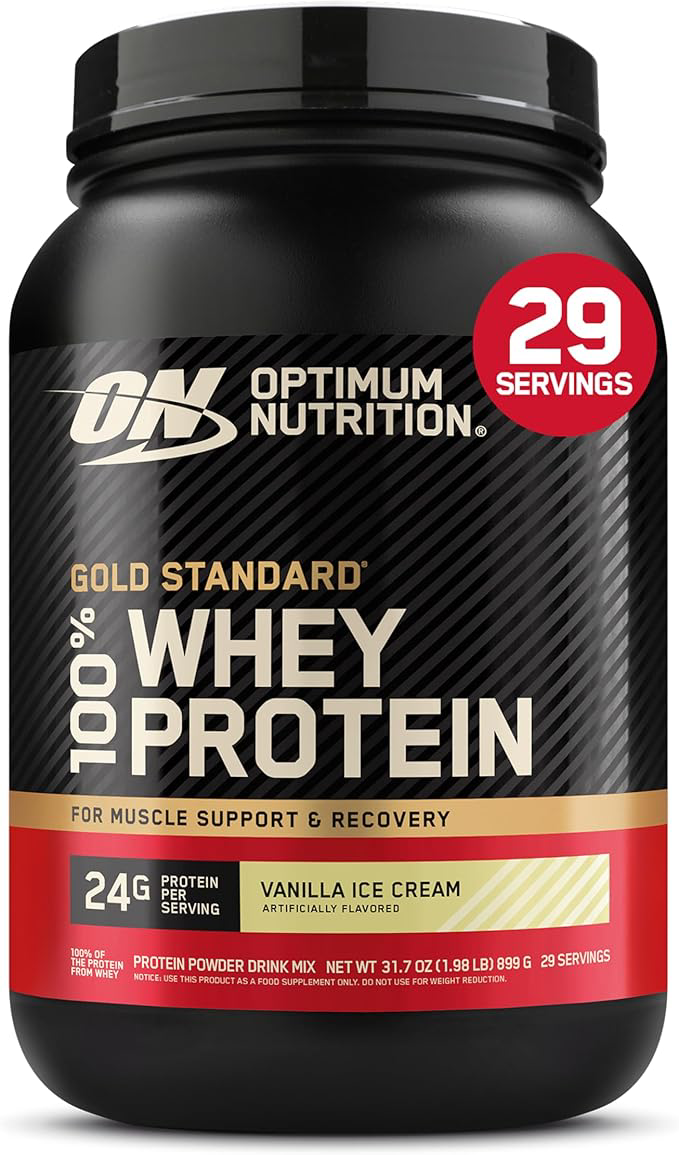
A practical takeaway: Aim to include a complete protein source—like eggs, Greek yogurt, fish, chicken, tofu, or a quality protein powder—at every meal. This consistent supply helps maintain muscle protein synthesis, even in a calorie deficit.
Timing Protein Around Exercise
Exercise creates a window of opportunity for muscle preservation. When you work out, especially with resistance training, your muscles become more sensitive to amino acids. Consuming protein within two hours after your workout can significantly boost muscle protein synthesis.
Some research also suggests that having a small protein-containing meal before exercise may help reduce muscle breakdown during the workout. A pre-workout snack of about 20 grams of protein (for example, a shake or a serving of cottage cheese) can prime your muscles for better recovery and retention.
The Overnight Fast: A Critical Period
Sleep is the longest period your body goes without food each day. During that fast, muscle protein breakdown naturally increases. To counteract this, a growing body of evidence points to the value of a protein-rich meal or snack before bed. Casein protein, found in dairy, is slow-digesting and provides a steady release of amino acids throughout the night.
Approximately 30 to 40 grams of casein-rich food (such as Greek yogurt, cottage cheese, or a casein shake) consumed 30 to 60 minutes before sleep can reduce overnight muscle breakdown and help preserve lean mass during weight loss.
This is not about eating a full meal late at night. It is a strategic, small, protein-focused snack that fits within your daily calorie goals.
How to Apply This Without Overcomplicating Your Day
You do not need a stopwatch or a rigid schedule. The following general guidelines can help you implement a muscle-protecting meal timing pattern:
- Eat breakfast with protein. Start the day with at least 20–30 grams of protein. This sets a positive protein balance for the hours ahead.
- Space your meals evenly. Try to eat every 3.5 to 5 hours, with roughly equal protein at each meal. Avoid going longer than 5 hours without a protein source.
- Prioritize post-workout nutrition. Have a protein-containing meal or shake within two hours after exercise—sooner if the workout was intense.
- Consider a pre-sleep protein snack. If you are in an aggressive calorie deficit or doing heavy training, a small casein-rich snack before bed may offer extra protection.
- Keep your total protein intake adequate. Even the best timing will not protect muscle if your total daily protein is too low. Aim for roughly 1.6 to 2.2 grams of protein per kilogram of body weight per day, under the guidance of a healthcare professional.
Does This Work for Everyone?
Individual factors matter. Your age, starting muscle mass, activity level, and the size of your calorie deficit all influence how much muscle you may lose. Older adults, in particular, experience a reduced anabolic response to protein, meaning they may need slightly higher per-meal doses (up to 40 grams) and more consistent timing to see benefits.
This strategy works best when combined with resistance training. Diet alone has a limited ability to preserve muscle. The combination of strength training and protein pacing provides a powerful stimulus for your body to hold onto lean tissue even as you shed fat.
The meal timing strategy that protects muscle during weight loss is not a fad—it is a research-backed approach to body composition. By distributing protein evenly throughout the day, timing intake around exercise, and using a pre-sleep protein snack wisely, you can support your muscles while you lose weight. As with any dietary change, it is wise to discuss your specific needs with a registered dietitian or healthcare provider.