Mornings can be a scramble, especially when you're navigating a gluten-free diet. The thought of preparing a fresh, satisfying breakfast every day can feel daunting, leading to skipped meals or less-than-ideal choices. But what if your weekday breakfast was already waiting for you, ready in minutes? That’s the quiet power of a meal prep habit.
It’s not about spending your entire Sunday in the kitchen. It’s about making a few smart, strategic choices that set you up for a week of easy, nourishing mornings. By dedicating a small window of time to prepare a few key components, you can transform your breakfast routine from a source of stress to a simple, reliable pleasure.
Why breakfast meal prep is a game-changer for gluten-free living
For anyone avoiding gluten, convenience foods are often off the table. The grab-and-go muffin or the quick slice of toast isn’t an option, which makes planning ahead not just helpful, but essential. A meal prep habit directly addresses this gap. It gives you control over your ingredients, ensures you’re starting your day with whole foods, and removes the daily decision fatigue of "what can I eat?"
More than just practicality, it’s a form of self-care. A prepared breakfast means you can start your day calmly, with a meal that fuels you properly. You’re less likely to reach for a packaged snack or skip eating altogether, which supports steady energy and focus throughout the morning.
Building your gluten-free breakfast prep toolkit
Success starts with the right foundation. Before you dive into recipes, take a moment to consider your setup.
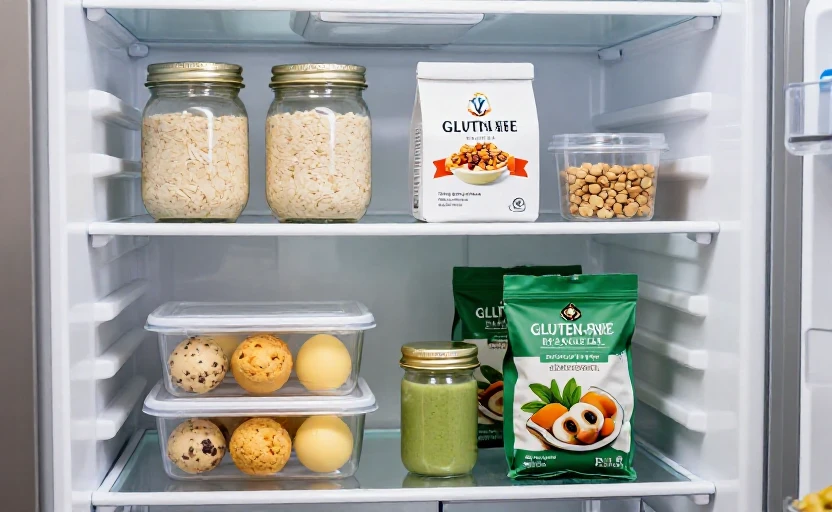
Containers are key. Invest in a set of good-quality, leak-proof containers in a few sizes. Glass jars are perfect for layered parfaits or overnight oats, while divided containers keep components like eggs and veggies separate until you’re ready to eat. Having the right vessels makes assembly and storage seamless.
Your freezer is your friend. Don’t limit your thinking to the refrigerator. Your freezer is a powerhouse for extending the life of prepped foods. Think about muffins, breakfast burritos, or pre-portioned smoothie packs that can be cooked or blended straight from frozen.
Focus on components, not just complete meals. Sometimes, prepping individual elements gives you more flexibility. Cook a big batch of quinoa or roasted sweet potatoes, wash and chop fruit, or hard-boil a dozen eggs. Having these building blocks ready means you can mix and match throughout the week for variety without daily cooking.
Simple make-ahead ideas to get you started
Here are a few foundational concepts that are endlessly adaptable to your taste.
Overnight oats and chia puddings
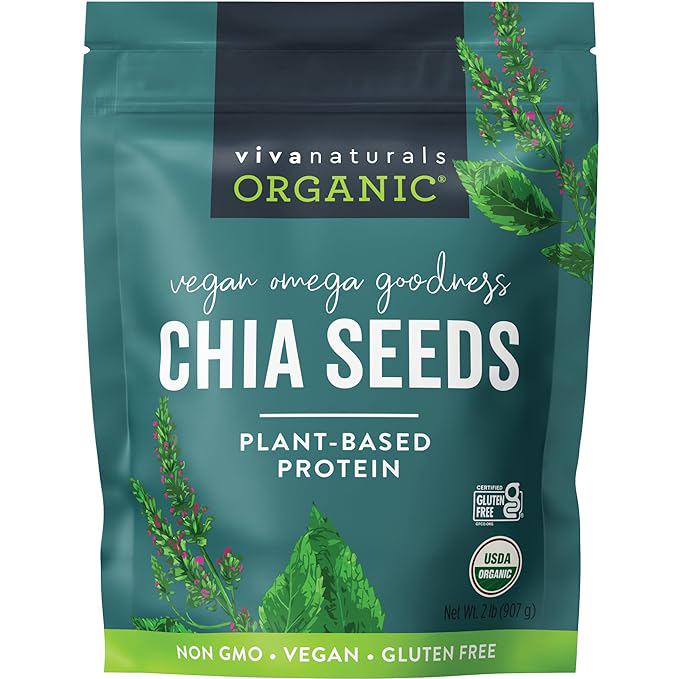
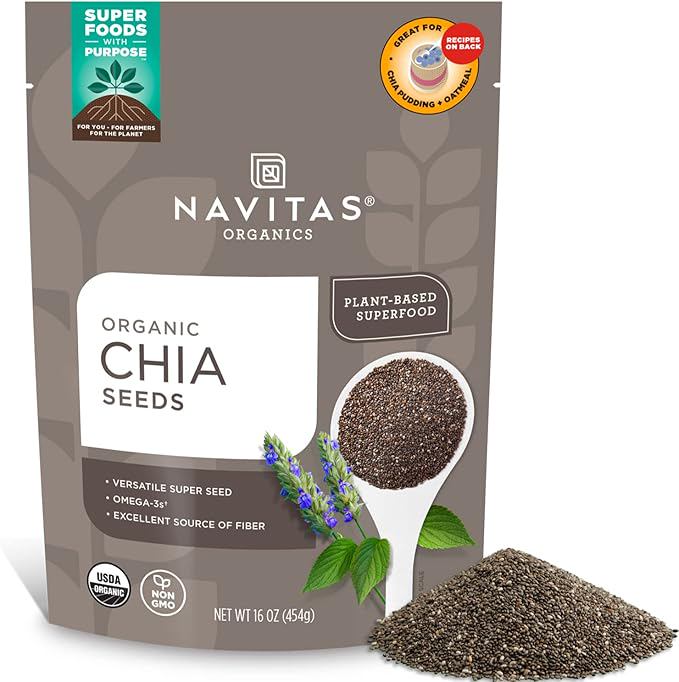
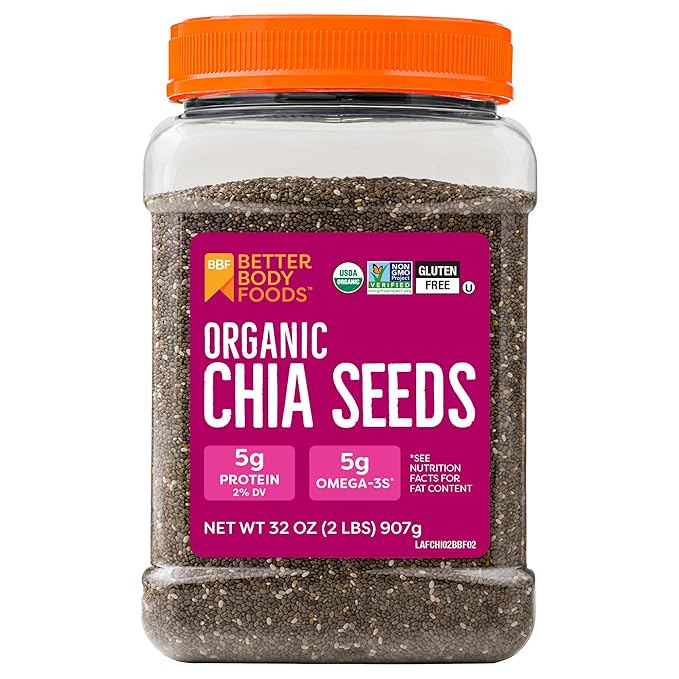
These no-cook options are the ultimate in convenience. Simply combine certified gluten-free oats or chia seeds with your choice of milk (dairy, almond, oat, etc.) and any add-ins in a jar the night before. By morning, the mixture has softened into a creamy, pudding-like texture.
For the best texture, use a 1:1 ratio of chia seeds to liquid, and give the mixture a good stir about 10 minutes after preparing to break up any clumps.
Flavor variations are limitless: try cocoa powder with a dash of maple syrup, swirl in some nut butter, or layer with berries and a sprinkle of nuts. Prepare several jars at once for a ready-to-eat breakfast all week.
Freezer-friendly baked goods
Baking a batch of muffins, breakfast bars, or mini frittatas on the weekend provides instant breakfast options. Look for recipes that use naturally gluten-free flours like almond, oat (ensure certified GF), or buckwheat.
- Pro tip: Let baked goods cool completely before wrapping individually and freezing. Reheat straight from the freezer in a toaster oven or microwave for a warm, fresh-tasting breakfast.
Savory egg cups or breakfast burritos
Whisk together eggs with diced vegetables, cooked meat, or cheese, and pour into a greased muffin tin. Bake until set for portable egg cups. For burritos, scramble eggs with your favorite fillings, wrap in gluten-free tortillas, and freeze. Both options reheat beautifully in minutes.
Pre-assembled smoothie packs
Chop fruits like bananas, berries, and mango, and portion them into freezer bags along with add-ins like spinach or kale. In the morning, dump a bag into your blender, add your liquid and protein (like yogurt or protein powder), and blend. It cuts morning prep time down to seconds.
Making your prep session efficient and sustainable
The goal is to make life easier, not create a new chore. Keep it simple and realistic.
Start by choosing just one or two recipes to prep for your first week. Maybe it’s a batch of chia pudding and some hard-boiled eggs. Success with a small step builds confidence. Schedule your prep time like any other appointment—an hour on a Sunday afternoon can be enough.
While you’re chopping vegetables for one recipe, chop extra for another. If your oven is on for muffins, consider roasting a tray of sweet potatoes at the same time. This "batch cooking" mindset maximizes your time and energy.
Finally, listen to what your week needs. If you have early meetings, grab-and-go options like muffins are perfect. If you work from home, having pre-chopped veggies for a quick scramble might be ideal. Your prep should serve your life, not the other way around.
Building a meal prep habit for gluten-free breakfasts is a small investment with a significant return: peaceful mornings, reliable nutrition, and one less thing to worry about on a busy day. It’s a practical, sustainable way to honor your dietary needs and start each day with intention.