You may not think twice about that late-night bowl of chips, the handful of sugary nuts, or the quick slice of white bread before bed. But if you have curly hair and a tendency toward dandruff, what you eat after dinner could be directly feeding the flakes. Curly scalps are already prone to dryness and buildup; certain evening snacks create the perfect environment for yeast and bacteria to flourish, making dandruff worse.
Here is the connection between your nighttime nibbles and that stubborn scalp condition — plus what to reach for instead.
Why curly hair is especially vulnerable
Curly hair makes it harder for the scalp's natural oils to travel down the hair shaft. This means the scalp can become dry, irritated, and more sensitive to dietary triggers. When you eat foods that spike blood sugar or feed yeast like Malassezia globosa, your scalp's microbiome shifts. Dandruff is often the result of an overgrowth of that very yeast, combined with inflammation. Evening snacks — consumed close to sleep, when digestion slows — can amplify this reaction.
The worst snacks for dandruff on curly hair
If it's high in sugar, refined starch, or unhealthy fats, it's a feast for scalp yeast and inflammation.
These are the top offenders to avoid after 7 p.m.:
- White bread, crackers, and pretzels. Simple carbs break down into sugar quickly, feeding yeast and spiking insulin. That creates an inflammatory cascade that shows up as itching and flaking.
- Sugary treats and desserts. Cookies, cake, ice cream — anything high in sugar increases sebum production and yeast activity. For curly hair, this often leads to greasy roots with dry, flaky patches.
- Fried or greasy snacks. Chips, samosas, and fries are high in omega-6 fatty acids and can promote systemic inflammation. On the scalp, this means more irritation and shedding.
- Dairy-heavy snacks. Cheese, milk-based puddings, or creamy dips may trigger dandruff in people sensitive to dairy. It can increase sebum production and encourage yeast growth.
- Alcohol and sugary drinks. A nightcap or soda before bed dehydrates the body and scalp, reducing the skin's natural barrier function. A dehydrated scalp is a flaky scalp.
The science behind the night-time snack effect
When you eat high-glycemic or inflammatory foods in the evening, your body doesn't have time to properly metabolize them before sleep. Blood sugar remains elevated overnight. This triggers the release of insulin and insulin-like growth factor, which can stimulate sebaceous glands to produce more oil. Malassezia yeast feeds on that oil, producing irritating byproducts that cause dandruff. For curly hair, the flakes get trapped in the curls, making them more visible and harder to manage.
What about natural sugars from fruit?
Whole fruit in moderation is far better than processed sweets, but dried fruits like dates or raisins are very concentrated in sugar. A small handful is fine — a whole bowl before bed can still spike glucose. Pair fruit with a protein or healthy fat (like a few almonds or a spoon of nut butter) to blunt the effect.
Evening snacks that help calm the curly scalp
Not all late-night eats are bad. Some foods can actually reduce dandruff by fighting inflammation or supporting the skin barrier.
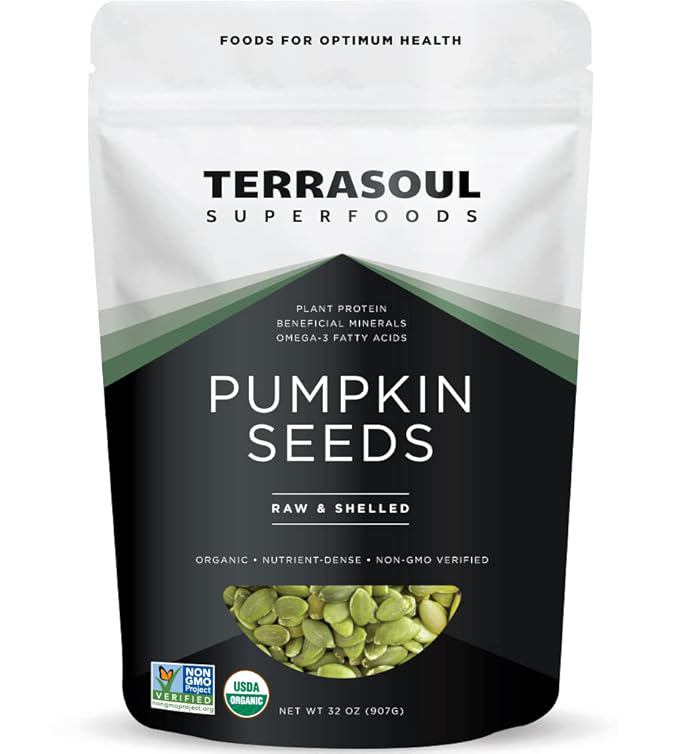
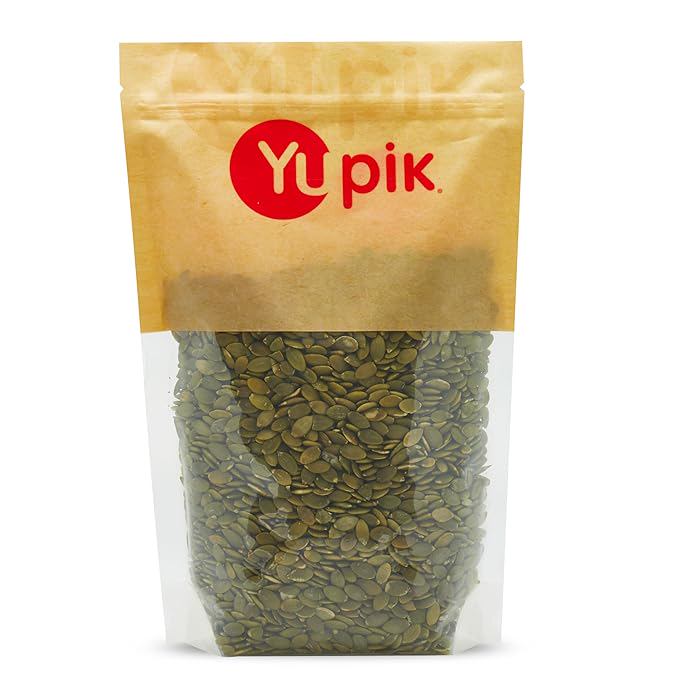
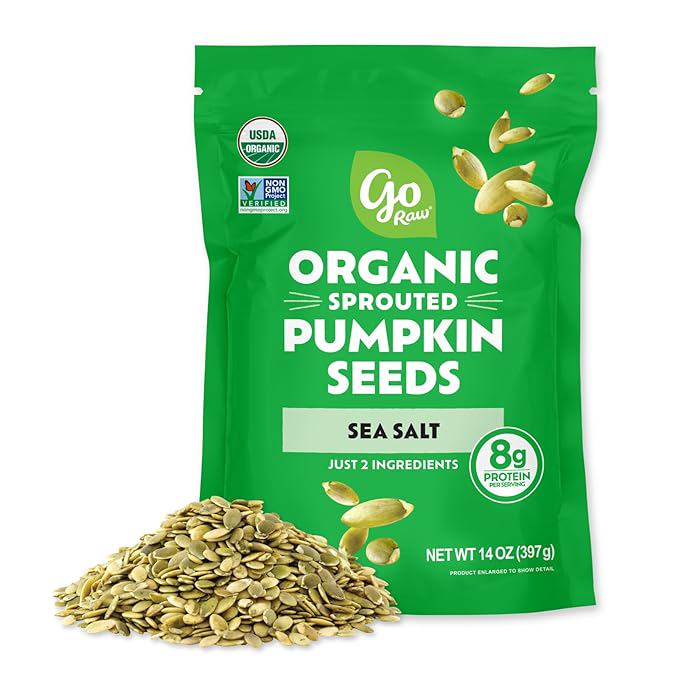
- Handful of pumpkin seeds or walnuts. Rich in zinc and omega-3 fatty acids, which reduce inflammation and support scalp health.
- A small bowl of yogurt (if you tolerate dairy) or a plant-based probiotic alternative. Probiotics help balance the scalp microbiome. If dairy bothers you, try coconut yogurt or a fermented vegetable like kimchi.
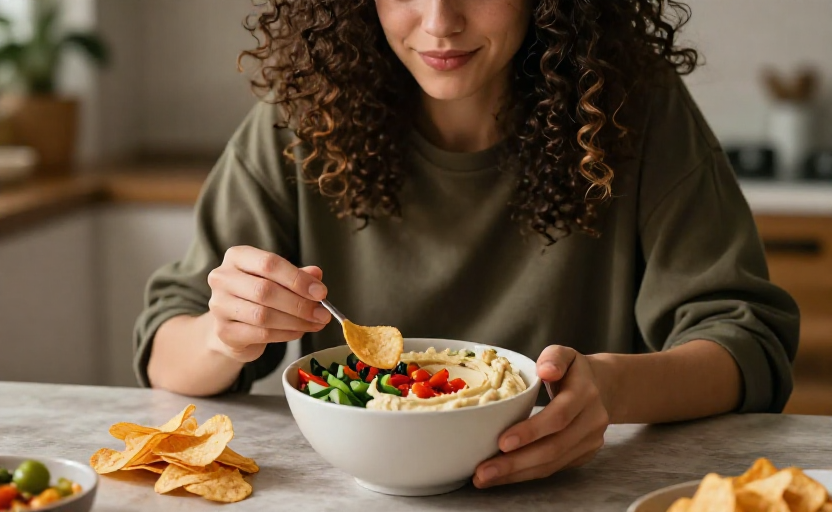
- Sliced veggies with hummus. Low-glycemic, fiber-rich, and packed with antioxidants that fight oxidative stress in the scalp.
- A cup of green tea or chamomile. Green tea contains catechins that may reduce sebum production; chamomile is anti-inflammatory and calming before bed.
Practical tips for curly hair dandruff management
Evening snack adjustments work best alongside a consistent hair care routine for curly textures:
- Wash your scalp with a gentle, anti-dandruff shampoo at least twice a week — ingredients like ketoconazole, zinc pyrithione, or salicylic acid are effective.
- Always follow with a lightweight, hydrating conditioner on your ends. Avoid heavy oils on the scalp itself; they can feed yeast.
- Sleep with a silk or satin bonnet or pillowcase. This reduces friction and keeps the scalp from getting irritated overnight.
- Keep your scalp cool and dry — sweat and heat create a breeding ground for yeast. Avoid wearing a tight beanie or cap to bed.
The very same snack that comforts you before sleep may be feeding the dandruff you see in the morning.
Changing your evening snack habit is one of the simplest dietary shifts for controlling dandruff on curly hair. It doesn't mean you can never have a treat — it just means choosing wisely, especially in that two-hour window before bed. Pair the shift with a consistent scalp care routine, and you'll likely see fewer flakes and less itchiness over time.
If dandruff persists despite these changes, consult a dermatologist. Sometimes curly hair needs a medicated approach, and that's perfectly fine. But for many people, the answer starts in the pantry, not the pharmacy.