
We often reach for a snack to take the edge off a stressful afternoon or to power through a slump. It feels like a moment of self-care, a small reward. But what if that very habit—the timing and composition of your daily pick-me-up—was quietly amplifying your body’s stress response instead of calming it?
The connection between food and mood is profound, and science points to a specific, common snacking mistake that can directly influence cortisol, your primary stress hormone. Understanding this link isn't about adding more rules to your day, but about making one simple, empowering shift.
How Snacking Influences Cortisol
Cortisol isn't inherently bad. In healthy rhythms, it helps you wake up, provides energy, and regulates metabolism. Problems arise when cortisol levels remain elevated due to chronic stress or lifestyle factors, including diet. The wrong snack at the wrong time can send signals that keep your body in a heightened state.
When you consume food, especially carbohydrates, your blood sugar rises. Your pancreas releases insulin to usher that sugar into your cells for energy. A sharp, rapid spike in blood sugar—often from refined carbs and sugars—can be followed by a swift drop. This crash is perceived by your body as a stressor, prompting the release of cortisol and adrenaline to help mobilize more energy, perpetuating a cycle of highs and lows.
A blood sugar rollercoaster doesn't just drain your energy; it signals to your body that it's under repeated, minor stress.
The Common Mistake: High-Sugar, Low-Fiber Snacks
The daily mistake is consistently choosing snacks that are high in refined sugars and carbohydrates but low in protein, healthy fats, and fiber. Think of the classic options: a sweetened yogurt cup, a granola bar, a handful of pretzels, a sweet latte, or a pastry.
These foods are digested quickly, leading to that rapid blood sugar spike and subsequent crash. This pattern, repeated daily, can contribute to dysregulated cortisol patterns. Your body learns to expect and prepare for these stress cycles, potentially keeping baseline cortisol higher.
Why This Matters for Long-Term Stress
Consistently elevated cortisol can interfere with sleep, increase cravings for more sugary foods, contribute to weight gain (particularly around the abdomen), and leave you feeling perpetually wired yet tired. It subtly trains your nervous system to stay in a state of alert.
Building a More Supportive Snack
The goal isn't to never enjoy a sweet treat. It's to make your daily go-to snacks work for your nervous system, not against it. The key is combining nutrients to slow digestion and provide steady energy.
- Pair Carbohydrates with Protein or Fat: This combination dramatically slows the release of sugar into your bloodstream. Instead of an apple alone, have apple slices with almond butter. Instead of plain crackers, have them with cheese or hummus.
- Prioritize Fiber: Fiber is a natural moderator of blood sugar. Choose whole fruits over juice, whole-grain options over refined ones, and add vegetables where you can.
- Be Mindful of Timing: A mid-afternoon snack (around 3-4 PM) can be ideal, as this is when energy and blood sugar often naturally dip. A balanced snack here can prevent the crash that leads to poor choices later.
Simple Swaps to Try
You don't need a complete overhaul. Start with one swap for your most common snack.
- Instead of a flavored yogurt, choose plain Greek yogurt and add berries and a sprinkle of nuts.
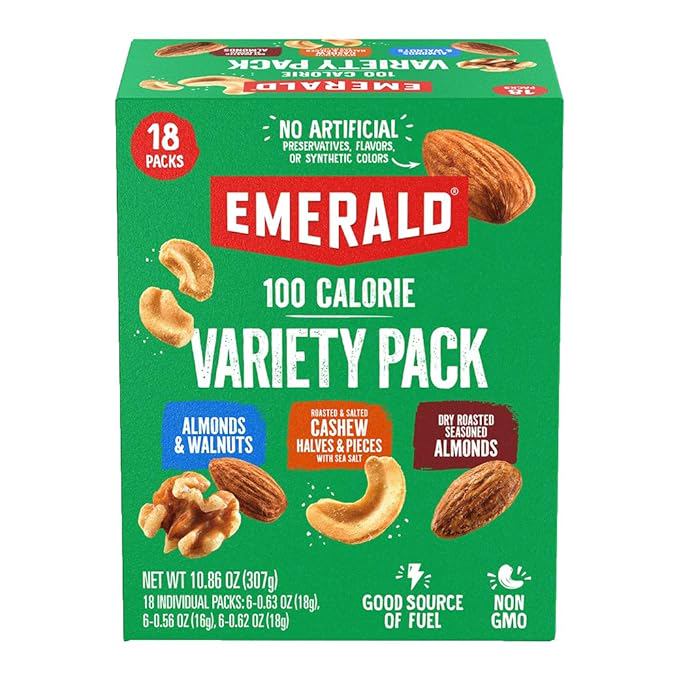
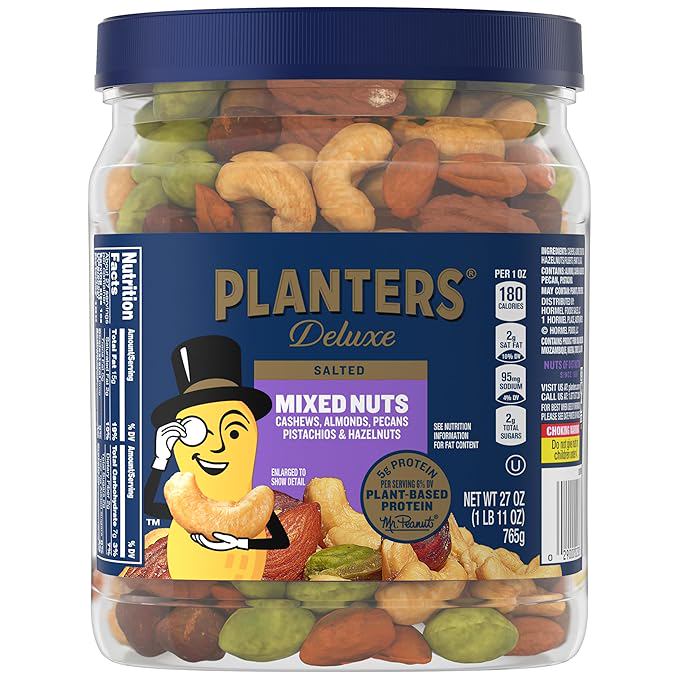
- Swap a sugary granola bar for a handful of trail mix with nuts and a few dark chocolate chips.
- Replace pretzels or chips with whole-grain toast topped with avocado or a hard-boiled egg.
- Choose a small latte with whole milk over a sweetened frappuccino.
Notice how you feel an hour later. More sustained energy and fewer cravings are a good sign you're supporting healthier cortisol rhythms.
Ultimately, viewing your snack as a tool for metabolic and hormonal balance is a gentle, effective way to support your body's resilience to stress. It’s a small daily act that says you’re on your own team, working with your biology to find a calmer, steadier state.