You might not think twice about reaching for a salty bag of pretzels or a sugary granola bar mid-afternoon, but if you have fine hair and a sensitive scalp, that daily snack could be sabotaging your strands. While most hair-loss advice focuses on what you put on your head, nutrition experts are increasingly looking at what you put in your mouth. And for those with fine hair, the connection between diet and scalp health is especially direct.
Fine hair is more vulnerable to environmental and internal stressors because each strand has a smaller diameter and less natural protection. When your diet lacks key nutrients and hydration, your scalp's sebaceous glands can't produce enough oil to keep the skin and hair moisturized. The result: a dry, flaky scalp and brittle hair that snaps easily. Here's how your daily snack habit might be making the problem worse, and what to eat instead to support a hydrated, healthy scalp.
How Sugar and Salt Dehydrate Your Scalp
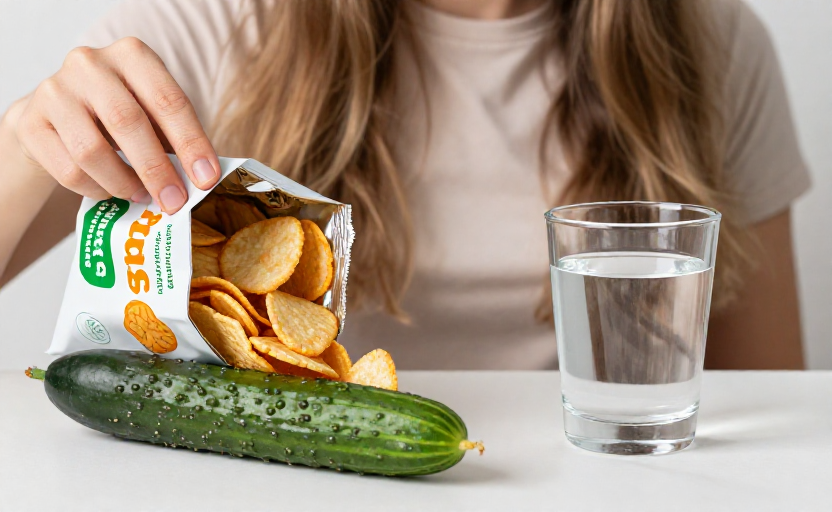
One of the most common snack culprits is the combination of high sugar and high sodium. Foods like crackers, chips, cookies, and sweetened yogurt drinks cause your body to pull water from cells to process the excess sugar and salt. This cellular dehydration shows up first in the extremities—including your scalp. When your scalp is dehydrated, it produces less sebum, the natural oil that coats each hair shaft. Without that protective layer, fine hair becomes dry, frizzy, and prone to breakage.
Over time, a diet high in processed snacks can also trigger low-grade inflammation in the body. This inflammation can disrupt the normal turnover of skin cells on your scalp, leading to buildup, itching, and dandruff. For people with fine hair, even mild scalp inflammation can slow hair growth and make strands look thinner.
The Missing Link: Essential Fatty Acids
Many snack foods are high in omega-6 fatty acids (think vegetable oils in chips and crackers) but low in omega-3s. A chronic imbalance between these two types of fats is linked to dry skin and scalp conditions. Omega-3s, found in foods like walnuts, flaxseeds, and fatty fish, help regulate oil production and reduce inflammation. Without enough of them, your scalp may struggle to stay supple.
If your daily snack habit consists mainly of processed carbs and unhealthy fats, you may be missing out on the very nutrients that keep your scalp hydrated from the inside out. The fix isn't complicated, but it does require a swap: choosing snacks that deliver healthy fats along with hydration.
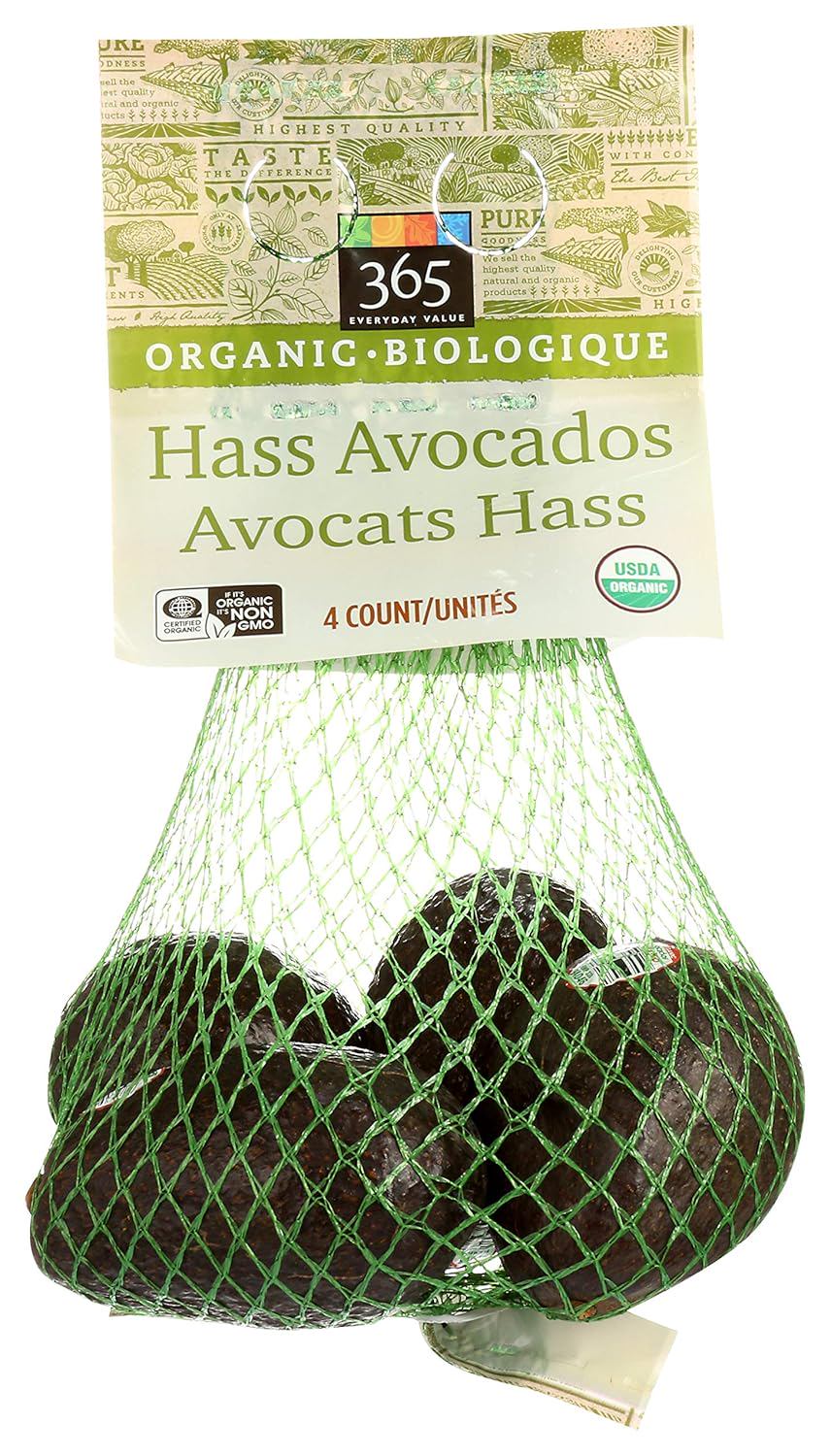
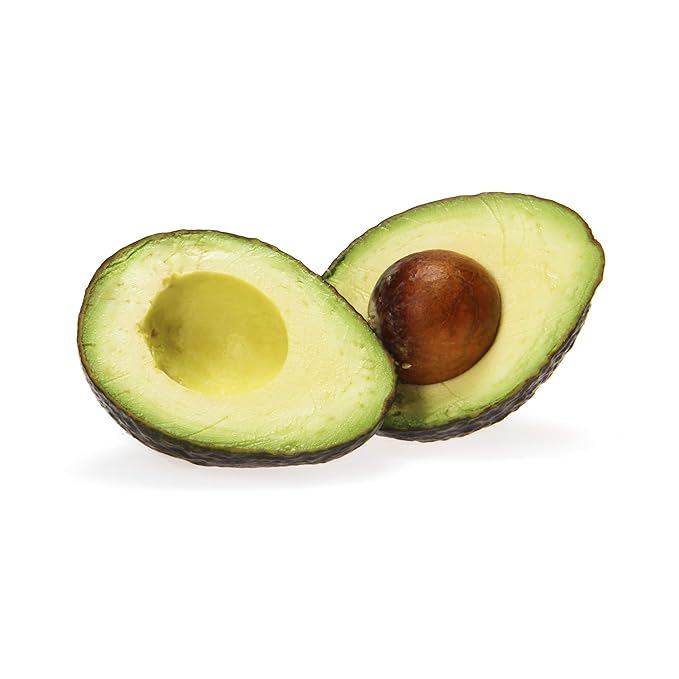
TIP: A handful of walnuts or a small avocado on whole-grain toast gives your scalp omega-3s plus vitamin E—two compounds that support moisture retention and blood flow to hair follicles.
Can Snacking Really Affect Hair Texture?
Yes, especially for fine hair. Each hair follicle depends on a steady supply of nutrients delivered through the bloodstream. When blood sugar spikes and dips from sugary snacks, the tiny blood vessels that feed your scalp can constrict, reducing oxygen and nutrient flow. Over months and years, this can weaken hair at the root and change its texture.
Dry hair is often the first sign. If your fine hair has started to feel straw-like or looks dull despite using hydrating shampoos and conditioners, take a closer look at your snack choices. You might find that the crunchy, salty treats you love are the same ones that are leaving your scalp parched.
Snack Swaps That Support Scalp Hydration
You don't have to give up snacking altogether. The goal is to choose snacks that actively work with your body's natural moisture balance. Here are three swaps that can make a difference for fine hair:
- Instead of pretzels or salted crackers, try cucumber slices with hummus. Cucumber is high in water content, and hummus provides healthy fats and protein to stabilize blood sugar.
- Instead of a sugary granola bar, try a small apple with almond butter. The fiber in the apple slows sugar absorption, and almond butter supplies vitamin E and monounsaturated fats.
- Instead of a sports drink or soda, try sparkling water with a squeeze of lime and a pinch of sea salt. This gives you electrolytes without the sugar crash that can dehydrate your skin and scalp.
Signs Your Scalp Is Crying Out for Better Fuel
How do you know if your snack habit is actually affecting your hair and scalp? Look for these three signs. First, persistent dryness or flakiness that doesn't improve with a moisturizing shampoo. Second, increased hair shedding, especially if it coincides with changes in your diet. Third, a feeling of tightness or itchiness on the scalp after eating a high-sugar or high-salt meal.
If any of these sound familiar, it's worth keeping a food diary for a week. Note what you snack on and how your scalp feels a few hours later. Many people find that reducing snacks with added sugars and refined flours leads to noticeable improvement in scalp comfort and hair texture within two to three weeks.
One More Thing: Hydration from Within
Finally, remember that no topical product can fully compensate for a dry internal environment. Your scalp is skin, and like the rest of your skin, it needs water and fat to stay healthy. If you're eating dry, salty snacks all day without drinking enough water, your body will prioritize vital organs over your hair. Fine hair often shows this neglect first because it has less structural reserve.
Making small, consistent changes to your daily snack habit can be one of the most effective ways to support a hydrated scalp and healthier-looking hair. You don't have to overhaul your entire diet overnight—just start with the afternoon snack.