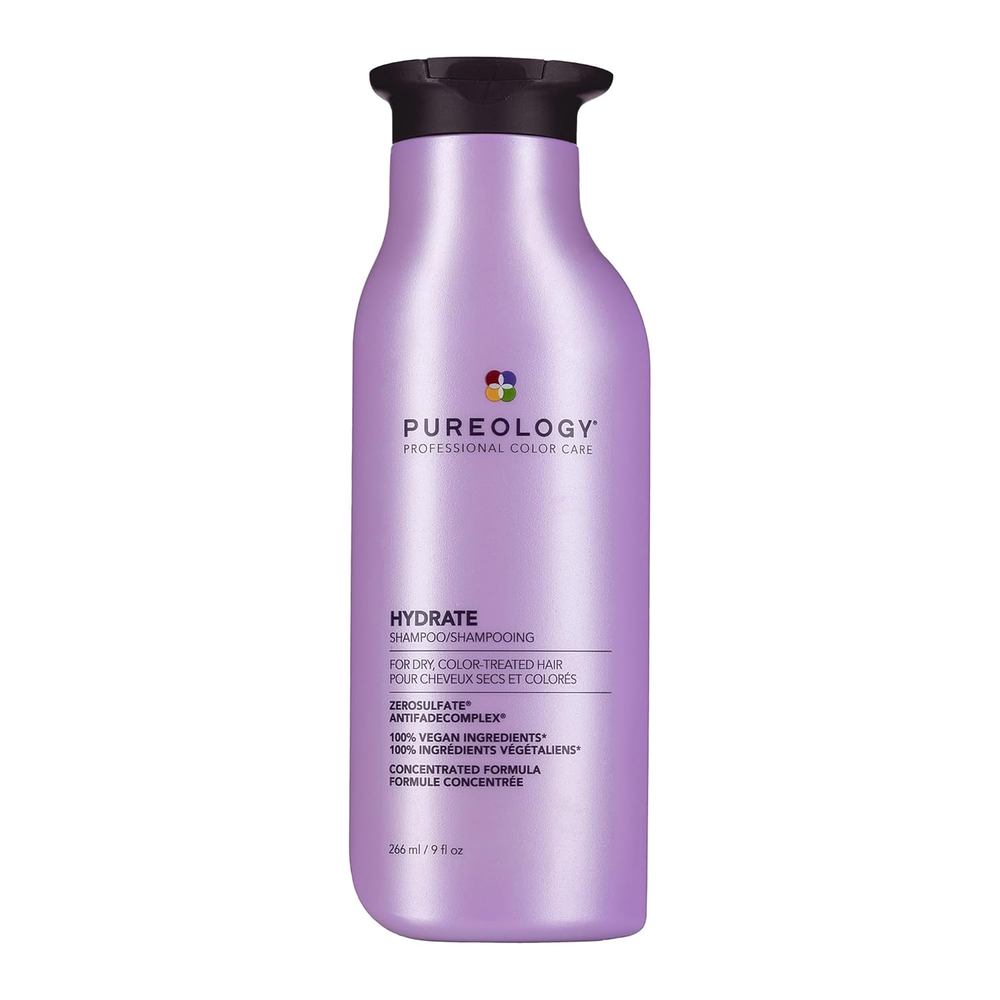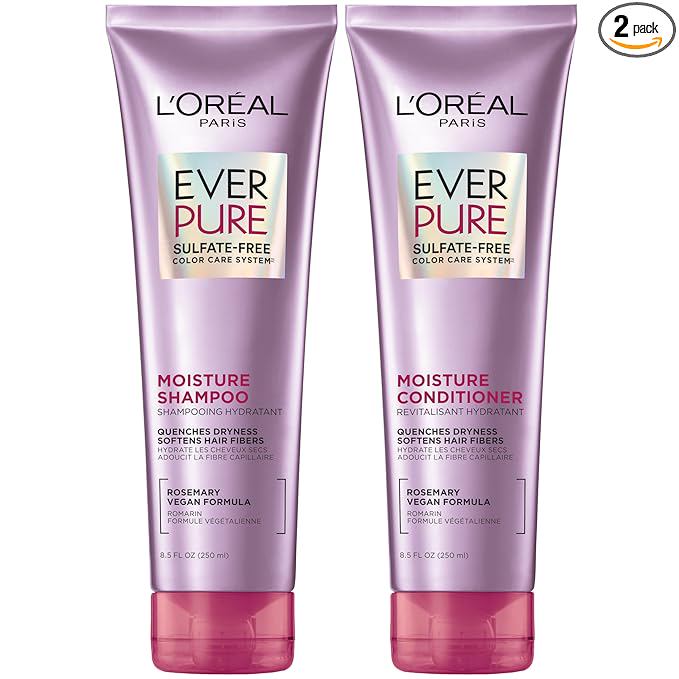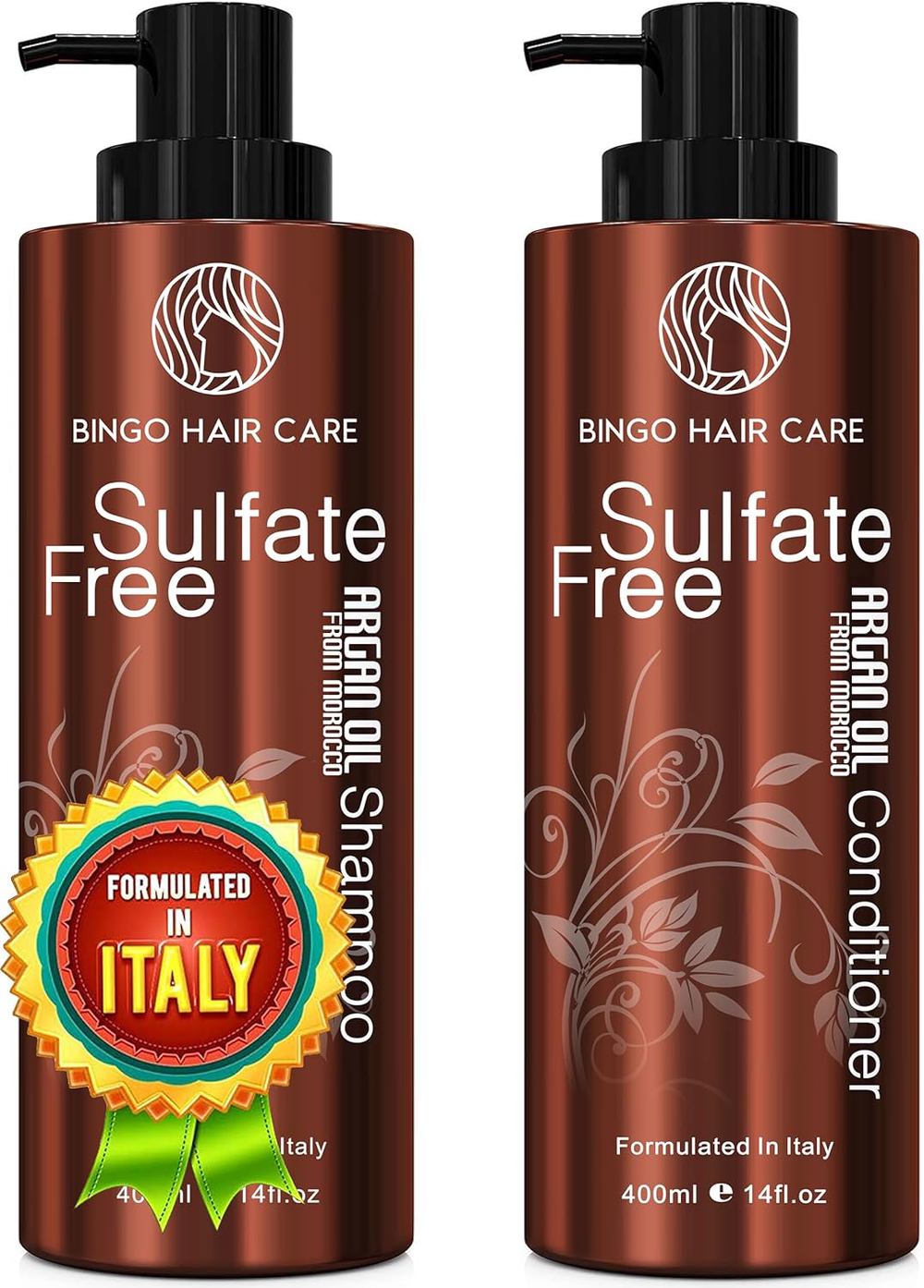

For many of us, a daily shower isn't complete without a vigorous lather of shampoo. It feels clean, fresh, and like the right thing to do—especially if you have an oily scalp or use styling products. But if you color your hair or have a sensitive scalp, that daily wash might be working against you. Dermatologists point out that this common habit can strip color from your strands much faster and leave your scalp dry, itchy, and irritated.
This isn't about skipping hygiene. It's about understanding how your scalp and hair actually work, and finding a gentler rhythm that keeps both healthy without sacrificing that clean feeling.
Why daily shampooing fades color
Hair color—whether from a salon or a box—works by depositing pigment into the hair shaft. That pigment isn't permanent; it sits there, vulnerable to anything that opens the hair cuticle. Shampoo is a detergent. Its job is to lift dirt and oil, but it also lifts color molecules along the way. The more often you shampoo, the more frequently those molecules are pulled out.
Think of it like washing a dyed fabric: each time you run it through the wash, the color gets a little duller. With hair, you're not just washing the surface—you're opening and closing the cuticle with every lather, and that repeated action accelerates fading. Warm water and vigorous scrubbing only speed up the process.
One simple shift: Switching to washing every other day—or even every third day—can extend the life of your color by weeks.
The scalp irritation connection
Your scalp is skin, and like the rest of your skin, it has a protective barrier made of natural oils and a balanced microbiome. Daily shampooing strips those oils, especially if you use a strong cleanser. When that barrier is disrupted, the scalp can become dry, tight, and prone to flaking. It may also overcompensate by producing even more oil, leading to a frustrating cycle of wash-and-grease.
For people with sensitive skin or conditions like seborrheic dermatitis, daily washing can be particularly problematic. Harsh surfactants (the ingredients that create the foam) can inflame the scalp, leading to redness, itching, and even small bumps. That irritation doesn't just feel uncomfortable—it can weaken hair follicles and contribute to breakage or shedding over time.
Interestingly, the same principle applies to traditional hair oiling, though in the opposite direction. Just as excess oil on the scalp can feed yeast and worsen dandruff for some people, stripping that oil away every day can leave the scalp unprotected. The takeaway is the same: balance matters more than frequency.
How to wash without the damage
You don't have to live with greasy roots to protect your color and calm your scalp. Here are strategies that dermatologists and hair care experts recommend:
- Use a sulfate-free shampoo. Sulfates are strong detergents that create rich foam but are especially harsh on color and sensitive skin. Look for labels that say "sulfate-free" or "gentle cleanser." These remove dirt and oil without stripping everything away.
- Extend time between washes. If you're used to daily washing, try every other day. You can use a dry shampoo or simply rinse with water on off days. Your scalp's oil production will start to normalize after a week or two.
- Apply conditioner only to lengths. To avoid weighing down roots or irritating the scalp, focus conditioner on the mid-lengths and ends of your hair. That's where moisture and detangling are most needed.
- Rinse with lukewarm, not hot, water. Hot water opens the cuticle and strips color faster. Cooler water helps seal the cuticle, locking in both color and moisture.
A gentle reminder: If you use topical treatments for hair growth or scalp conditions, washing too often can wash them away before they have a chance to work.
Signs your current routine needs a change
How do you know if daily shampooing is causing problems? Look for these signals:
- Your color fades noticeably within two to three weeks instead of lasting four to six.
- Your scalp feels tight, itchy, or looks red after washing.
- You see more flakes—dry or greasy—than usual.
- Your hair feels straw-like or breaks easily, especially at the ends.
If any of these sound familiar, it's worth experimenting with a less frequent wash schedule and a gentler formula for a few weeks. Track how your scalp feels and how long your color lasts. Many people are surprised by the improvement.
Building a better routine
There's no one-size-fits-all rule, but a solid foundation looks like this: wash two to three times per week with a gentle, sulfate-free shampoo customized for color-treated or sensitive scalps. On non-wash days, use a soft brush to distribute natural oils and a dry shampoo if needed. Always follow with a conditioner that stays away from the scalp. Once a week, consider a deep conditioning mask or a scalp-soothing treatment with ingredients like aloe or green tea.
If you love the feeling of a daily shower, you can still rinse your hair with water and give it a gentle scrub with your fingertips—just skip the shampoo most days. This keeps your scalp clean without stripping it.
Your hair and scalp are a system. A little understanding of how they work together goes a long way toward keeping your color vibrant and your skin comfortable.