
We often think of skin elasticity as something we lose with age, a passive process governed by genetics and time. While that’s partly true, there’s a powerful daily habit that actively accelerates this loss, and it’s one many of us don’t think twice about. The good news? Understanding this habit gives you a direct path to not only stop the damage but to actively support your skin’s natural resilience.
This habit isn’t a mysterious toxin or a rare behavior. It’s common, often unintentional, and its effects are cumulative. By addressing it, you’re not just preventing future damage; you’re creating an environment where your skin can better maintain its firmness and bounce.
The Hidden Culprit: Chronic Dehydration
The daily habit that significantly weakens skin elasticity is chronic, low-level dehydration. It’s not about feeling parched on a hot day. It’s the subtle, ongoing state where your body—and your skin—simply doesn’t get enough water to function optimally. Your skin is your body’s largest organ, and it’s one of the first places to show the signs of a water deficit.
Think of your skin’s dermis, its middle layer, as a gel-like matrix. Key proteins like collagen and elastin are embedded in this gel, which is primarily made of water and a substance called hyaluronic acid. This gel gives the dermis its plump, hydrated structure. When you’re consistently under-hydrated, this gel matrix loses volume. The collagen and elastin fibers aren’t as supported; they can become brittle and more prone to damage from other factors like UV rays. The result is skin that looks less plump, feels less supple, and shows fine lines more readily.
Your skin’s elasticity relies on a well-hydrated dermal matrix. Chronic dehydration shrinks this support system from the inside out.
Why Drinking More Isn’t Always the Simple Fix
You might be thinking, “I’ll just drink more water.” While increasing your water intake is a crucial first step, the “how to fix it” part is more nuanced. True skin hydration is a two-part process: what you put *into* your body and what you put *onto* your skin. Internal hydration replenishes that dermal gel from within. Topical hydration, however, addresses the skin’s outermost barrier—the stratum corneum.
When this barrier is compromised (by harsh cleansers, weather, or that internal dehydration), it can’t effectively hold onto moisture. Water evaporates from the skin’s surface, a process known as transepidermal water loss. This leaves the skin tight, dull, and less resilient. So, the fix requires a dual approach: supporting the body’s internal water balance and reinforcing the skin’s external moisture barrier.
Step 1: Support Internal Hydration
This goes beyond forcing down eight glasses of water a day. It’s about consistent, mindful intake and supporting your body’s ability to use that water.
- Listen to your body, not just the clock. Sip water steadily throughout the day. A good visual cue is pale yellow urine. Carry a reusable water bottle as a simple, constant reminder.
- Eat your water. Incorporate water-rich foods like cucumbers, celery, watermelon, strawberries, zucchini, and leafy greens. These provide water along with skin-supporting vitamins and antioxidants.
- Be mindful of diuretics. Caffeine and alcohol can increase fluid loss. This doesn’t mean you must avoid them entirely, but if you enjoy coffee or a glass of wine, consciously balance it with an extra glass of water.
Step 2: Reinforce the External Moisture Barrier
This is where your skincare routine becomes a powerful tool for elasticity. Your goal is to use products that attract water to the skin and then seal it in.
- Cleanse gently. Avoid harsh, stripping soaps. Opt for creamy, non-foaming cleansers or gentle micellar water that clean without compromising your skin’s natural oils.
- Apply humectants to damp skin. Right after washing, pat your skin lightly so it’s still moist. Then, apply a product with humectants like hyaluronic acid, glycerin, or aloe vera. These ingredients pull water from the dermis and the environment into the outer layer of your skin.
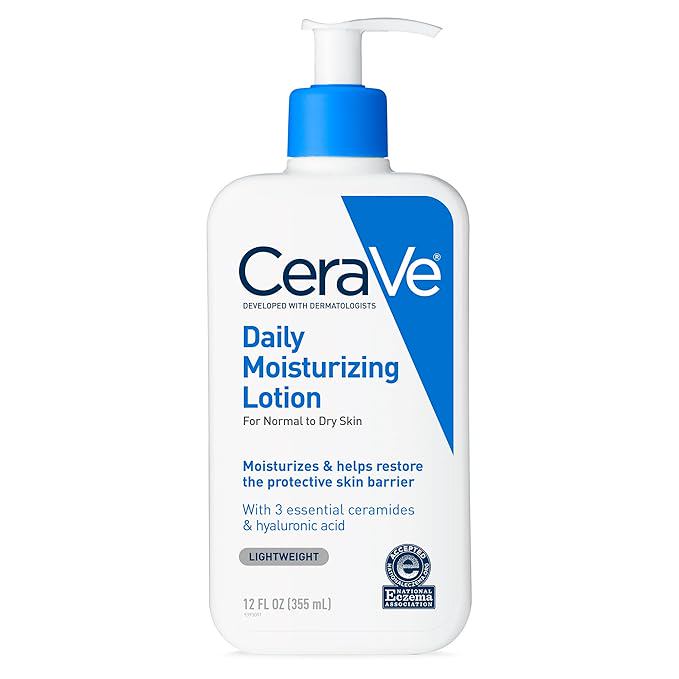
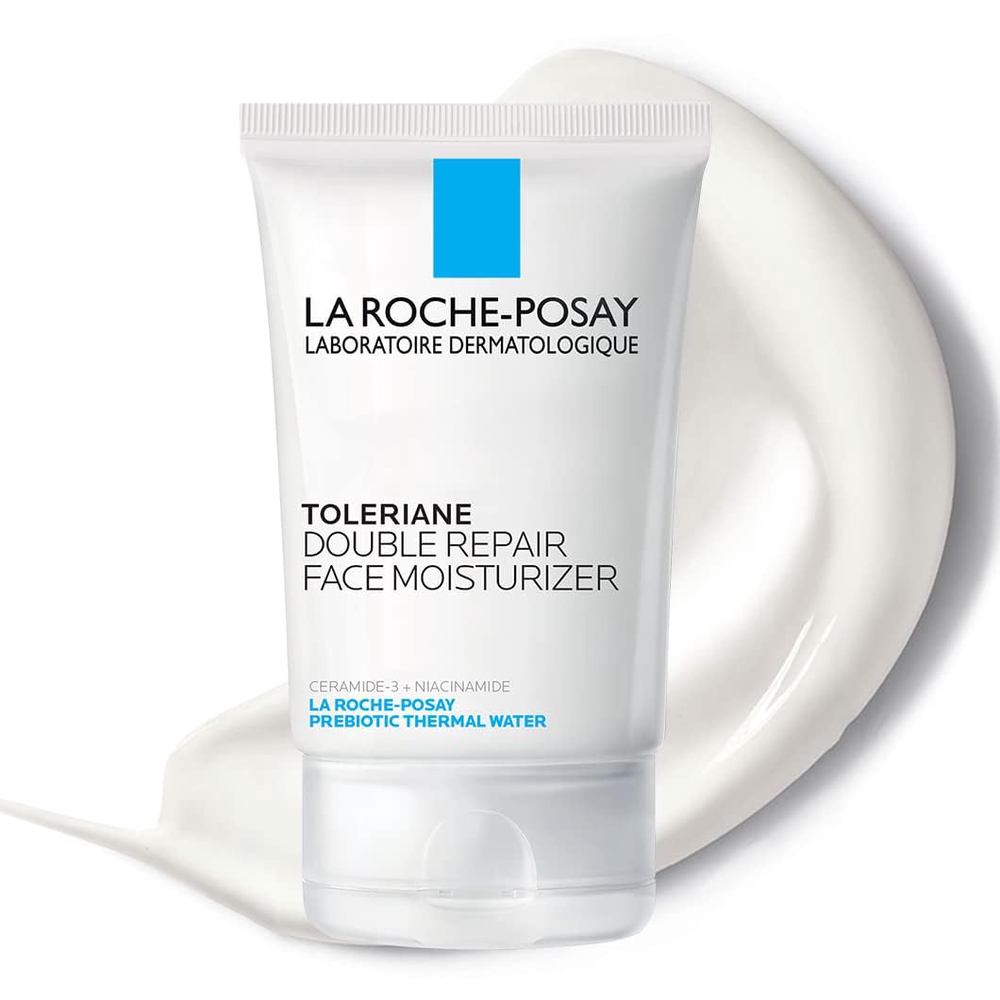
- Lock it in with an emollient or occlusive. This is the critical sealing step. Over your humectant, apply a moisturizer containing ceramides, squalane, or a light oil (like jojoba or rosehip). At night, you might use a slightly richer cream. This layer prevents the water your humectant just attracted from evaporating away.
Beyond Hydration: Supporting Elasticity Holistically
While tackling dehydration is the foundational fix, other daily habits work in tandem to protect and enhance your skin’s bounce.
Sun protection is non-negotiable. UV radiation is the single greatest external aggressor against collagen and elastin. Daily use of a broad-spectrum SPF 30 or higher sunscreen, even on cloudy days, is the most effective anti-aging step you can take. It protects the very proteins you’re trying to hydrate and support.
Nourish from within. A diet rich in antioxidants (found in colorful fruits and vegetables) helps combat free radical damage that breaks down collagen. Vitamin C is particularly important, as it’s a co-factor for collagen synthesis. Look to citrus, bell peppers, broccoli, and berries.
Manage stress and prioritize sleep. Chronic stress elevates cortisol, which can break down collagen. During deep sleep, your body enters repair mode, regenerating cells, including skin cells. Poor sleep quality is visibly reflected in skin’s resilience.
Making the Shift: A Sustainable Routine
Reversing the effects of chronic dehydration on your skin doesn’t happen overnight, but the improvements can be noticeable. You may first see a change in your skin’s texture—less tightness, more radiance. Over consistent weeks and months, this improved hydration base supports a firmer, more supple appearance.
The key is consistency, not perfection. Some days you’ll drink more water, some days less. The goal is to make hydration—both internal and external—a default setting, not a chore. By shifting this one daily habit from neglect to nourishment, you’re actively choosing to support your skin’s natural elasticity for the long term.