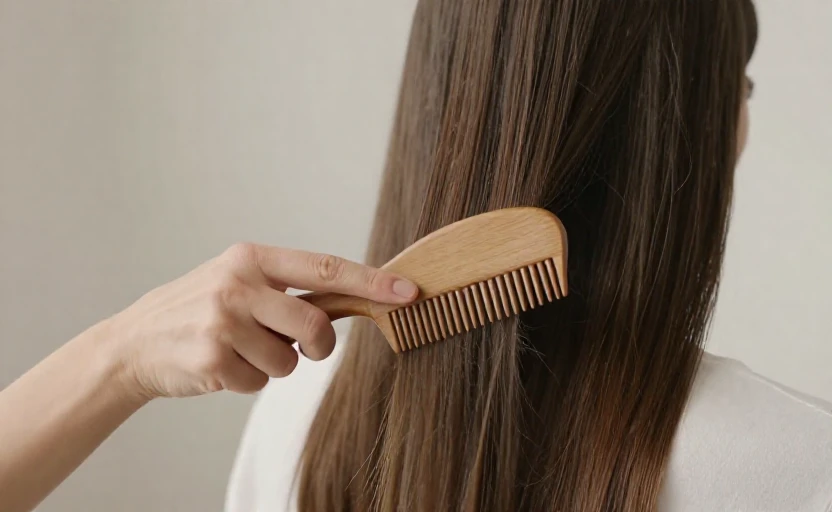
We often think of hair thinning as a result of internal factors—stress, diet, or genetics. But sometimes, the culprit is a daily habit so ingrained we don't even question it. The way you brush your hair, from the tools you choose to the technique you use, can either nurture your scalp or contribute to gradual damage and loss.
It’s a gentle, repetitive action meant to smooth and style. Yet, done incorrectly, brushing can become a source of mechanical stress, weakening hair at the root and shaft over time. Understanding this subtle cause is the first step toward a routine that protects rather than harms.
How Can Brushing Damage Hair?
Hair is surprisingly resilient, but it’s not indestructible. Each strand has a protective outer layer called the cuticle, which resembles overlapping shingles. Aggressive brushing, especially when hair is wet and at its most vulnerable, can lift and tear these cuticles. This leads to split ends, breakage, and a frayed, weakened appearance.
More critically, excessive tension on the hair follicle—the living structure beneath the scalp—can cause a type of hair loss known as traction alopecia. This isn't typically from one hard yank, but from the cumulative, daily pull of tight styles and harsh brushing. Over months and years, this constant tugging can traumatize follicles, potentially leading to thinning, especially around the hairline and temples.
Think of brushing as detangling, not disciplining. Your goal is to guide strands apart with minimal resistance.
Common Brushing Mistakes That May Lead to Thinning
Several everyday errors can turn a basic grooming step into a damaging one.
- Brushing Wet Hair Vigorously: Hair stretches and is more prone to breakage when saturated with water. Yanking a brush through tangles at this stage is a primary cause of snapage.
- Starting at the Roots: Attacking knots from the top of your head down creates a traffic jam of tangles, forcing you to pull harder and causing more breakage.
- Using the Wrong Brush: Stiff, plastic-bristled brushes or fine-toothed combs can catch and tear. They offer little flexibility and can scratch the scalp.
- Over-brushing: The old myth of “100 strokes a day” is deeply harmful. Excessive brushing creates friction, wears down the cuticle, and pulls out hair that isn’t ready to shed naturally.
- Ignoring Your Scalp Health: Brushing should also be a moment for your scalp. A rigid, scratchy tool can irritate this sensitive skin, potentially disrupting the follicle environment.
A Gentler Approach to Brushing
Protecting your hair starts with rethinking your technique from the ground up. The core principle is to reduce friction and tension at every step.
Choose Your Tools Wisely
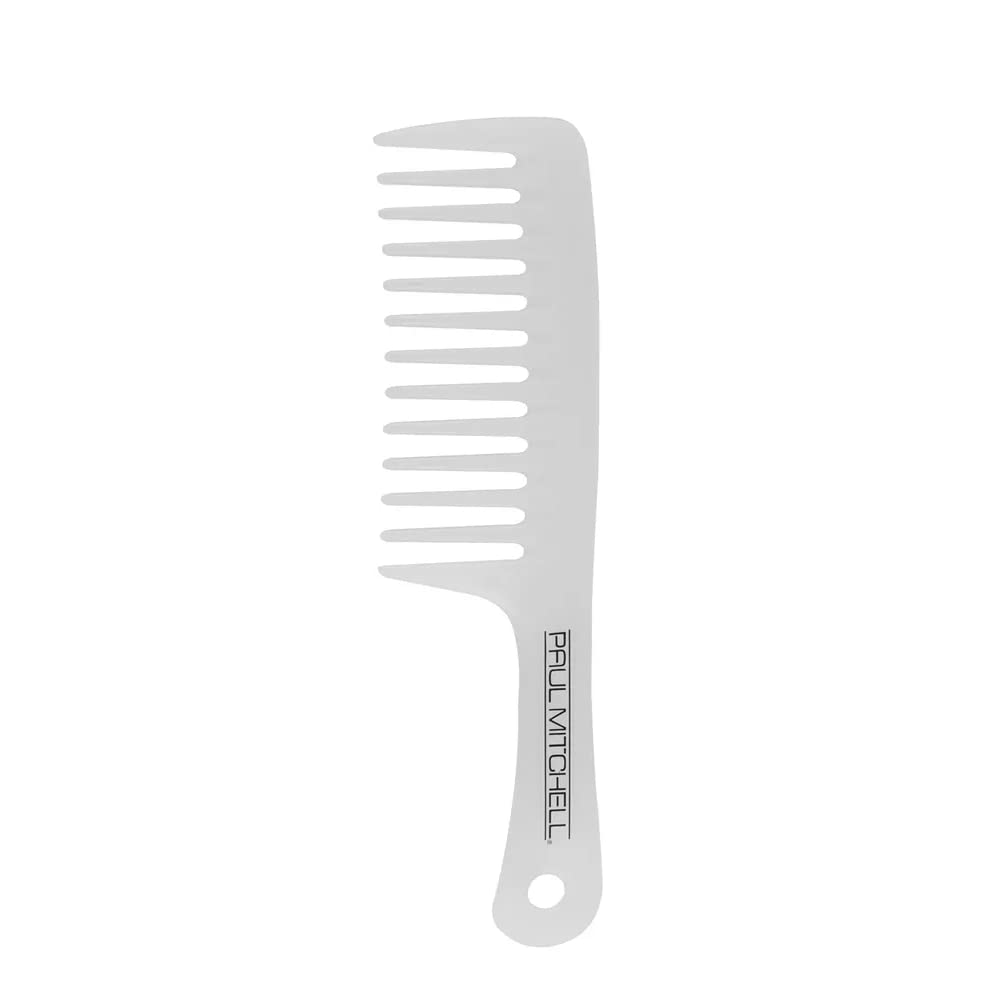
Opt for brushes with flexible, widely spaced bristles or smooth, rounded tips. A wide-tooth comb made of wood or horn is excellent for detangling wet hair, as it glides through with less static and breakage. For dry hair, a brush with natural boar bristles mixed with nylon pins can help distribute scalp oils down the hair shaft without aggressive pulling.
Master the Technique
Always begin by gently finger-combing to separate large knots. Then, start brushing or combing from the ends of your hair, working your way up slowly in small sections. Hold the hair above the section you’re detangling to absorb the tension and prevent it from pulling on the roots. Be patient—slow and steady wins the race against breakage.
Treat Wet Hair with Care
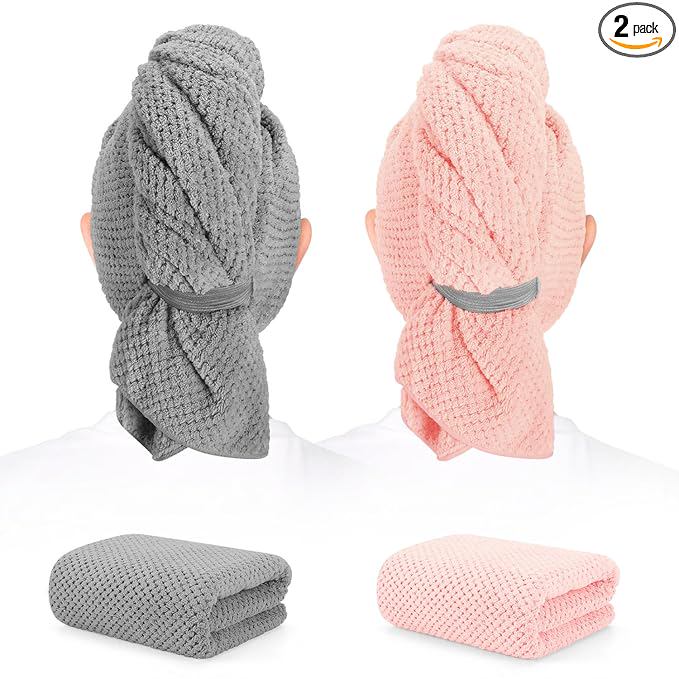
After washing, gently blot your hair with a microfiber towel instead of rubbing it. Apply a leave-in conditioner or detangling spray to provide slip. Then, using your wide-tooth comb, start from the ends and carefully work upward. Never brush sopping wet hair from the scalp downward.
Beyond the Brush: Supporting Hair Health
While correcting your brushing habit is crucial, it works best as part of a holistic approach. Thinning hair is rarely about one single cause. Ensure you’re also paying attention to nutrition—adequate protein, iron, zinc, and vitamins are essential for follicle function. Managing stress through practices like meditation or gentle exercise can help mitigate stress-related shedding. And finally, be kind to your hair: minimize high-heat styling, avoid overly tight ponytails or braids, and give your scalp regular, gentle massages to stimulate circulation.
If you notice sudden or significant thinning, it’s important to consult a dermatologist or healthcare provider. They can help rule out underlying medical conditions like thyroid disorders, hormonal imbalances, or autoimmune issues. For most of us, however, a mindful adjustment to our daily brushing ritual is a simple, powerful step toward preserving the fullness and health of our hair.