Curly hair has a personality all its own, with its own set of rules for health and definition. While the internet is full of complex, multi-step routines, the core principles that stylists recommend are surprisingly consistent. It’s less about a rigid checklist and more about understanding what your curls need to look and feel their best.
A great routine works with your hair’s natural texture, providing the right balance of moisture, gentle handling, and strategic product use to encourage each curl to form its most defined, springy shape.
What does a curl need to be defined?
Definition is simply the clarity of your curl pattern. When curls are well-defined, you can see distinct, separated spirals or waves instead of a fuzzy, shapeless mass. The enemy of definition is usually a lack of moisture or the presence of friction, which causes the hair cuticle to roughen up and strands to tangle together.
Think of a single strand of hair. When it’s hydrated and smooth, it can coil neatly with its neighbors. When it’s dry or damaged, it becomes frizzy and rebels against the pattern. The goal of a definition-focused routine is to keep each strand smooth and supple enough to fall into its natural curl clump.
The core steps of a definition-friendly routine
This isn’t a one-size-fits-all prescription, but a framework. You might adjust the frequency of washes or the specific products, but these phases are universal for curly care.
Cleansing with care
How you wash sets the stage. Curly hair tends to be drier, so harsh, frequent shampooing can strip essential oils and lead to puffiness. Many stylists recommend a rotation between a gentle, sulfate-free shampoo and a co-wash (conditioner wash).
The aim is to cleanse the scalp without roughing up the delicate curl cuticle. Focus the shampoo on your roots and let the suds rinse through the ends, rather than scrubbing the length of your hair.
Conditioning is non-negotiable
This is where the hydration happens. After cleansing, apply a generous amount of conditioner from mid-lengths to ends. Use your fingers or a wide-tooth comb to detangle gently while the conditioner is in. Let it sit for a few minutes to absorb.
For extra definition and slip, some routines include a leave-in conditioner applied to soaking wet hair after rinsing out the regular conditioner. This provides a lasting moisture base.
Styling for shape
This is the active definition phase. Styling products are applied to very wet hair to help form and hold curl clumps.
- Curl creams or milks: These provide moisture and light hold, helping to shape curls without crunch.
- Gels or mousses: These offer stronger hold to lock the curl pattern in place as it dries. The key is to apply evenly, then avoid touching the hair until it’s completely dry to prevent frizz.
A popular technique is “scrunching”—cupping sections of hair in your hands and squeezing upward toward the scalp to encourage curl formation.
Drying with patience
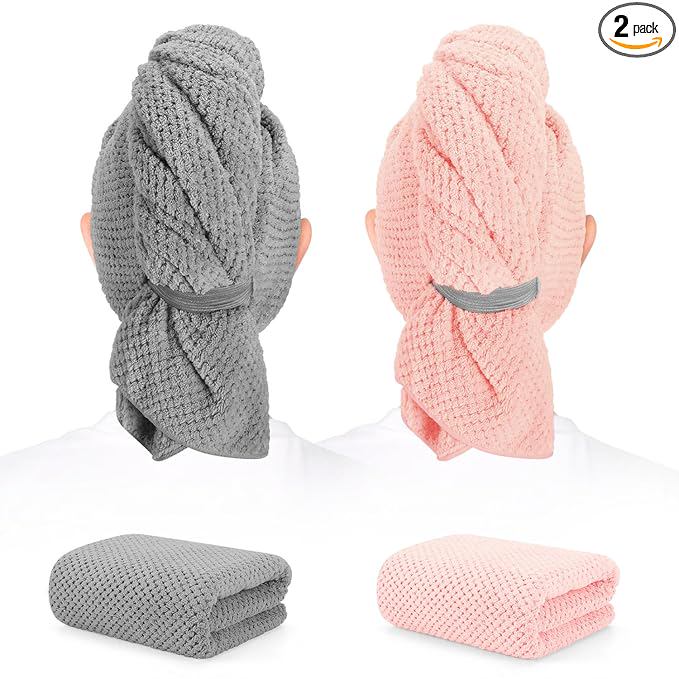
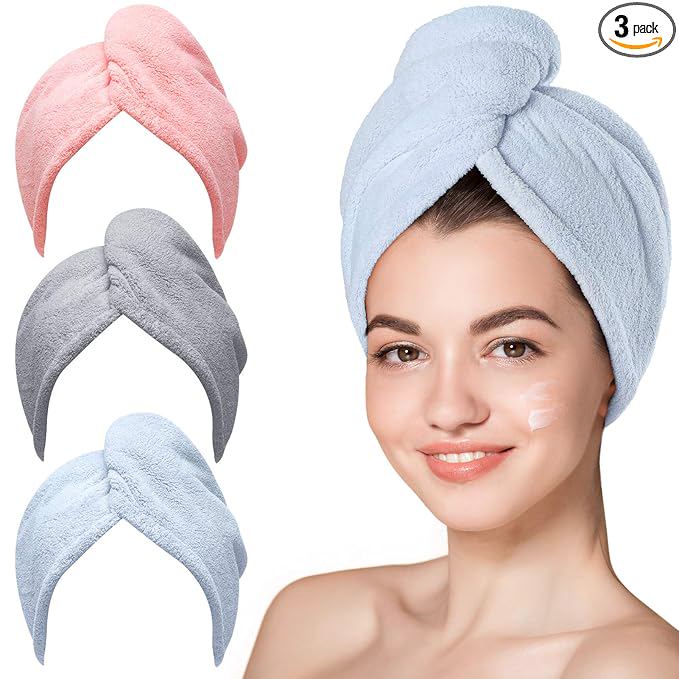
Rough drying with a traditional towel creates friction and frizz. Instead, stylists almost universally recommend using a soft microfiber towel or an old cotton t-shirt to gently squeeze out excess water by plopping or scrunching.
Air-drying is ideal. If you use a diffuser, attach it to your hairdryer and use a low heat setting. Cup sections of hair into the diffuser bowl and hold it in place without moving it around too much, until the section is dry.
How to maintain your curls between washes
Your work isn’t done after wash day. To preserve definition, you’ll need a refresh strategy.
On non-wash days, lightly mist your hair with water or a dedicated curl refresh spray. You can then smooth a tiny amount of leave-in conditioner or curl cream over any frizzy sections, and gently rescrunch. Pineappling—loosely gathering hair into a high, loose ponytail on top of your head before bed—can help preserve curls overnight on a satin or silk pillowcase.
Remember, consistency is more important than perfection. It often takes a few weeks of a gentle, hydrating routine for your curls to regain their natural definition. Pay attention to how your hair responds, and don’t be afraid to simplify. Often, the most defined curls come from a routine that feels intuitive, not intimidating.