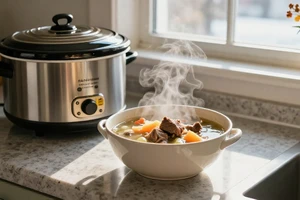
There’s a particular kind of kitchen disappointment that comes from lifting the lid of your slow cooker. You planned for tender, flavorful vegetables, but instead you’re met with a pot of mush—colorless, textureless, and sadly lacking in both nutrients and appeal. It’s a common letdown, but one that’s almost always caused by a single, easily corrected mistake.
The culprit isn't a faulty appliance or a bad recipe. It’s timing. The most frequent error that leads to overcooked veggies is adding all ingredients to the pot at the same time. Vegetables, especially delicate ones like zucchini, broccoli, or peas, simply can’t withstand the same hours-long heat as a tough cut of meat or dried beans. They break down, losing their structure, vibrant color, and a significant amount of their nutritional value.
Why Do Vegetables Overcook So Easily?
Slow cookers work by applying low, steady heat over a long period. This is perfect for dissolving connective tissue in meat, but it’s overkill for plant cells. The pectin that holds vegetable cells together starts to break down with prolonged heat. What begins as a crisp floret or a firm carrot slice gradually softens, then turns watery, and finally collapses into a homogenous, unappetizing mass.
Different vegetables have different tolerances. Root vegetables like potatoes, carrots, and parsnips are relatively hardy. But even they have their limits in an eight-hour cook. Softer, water-rich vegetables—think bell peppers, spinach, or green beans—are far more vulnerable and can turn to mush in just an hour or two.
The Simple Fix: Stagger Your Ingredients
The solution is beautifully straightforward: don’t treat your slow cooker like a dump-and-go proposition. Think of it more as a staged performance. Hearty ingredients that benefit from long cooking go in at the start. Delicate vegetables get a late entrance, just long enough to heat through and become tender-crisp.
This approach preserves texture, color, and flavor. It transforms your meal from a monotonous stew into a dish with distinct, enjoyable components.
Treat your slow cooker like a staged performance, not a dump-and-go recipe.
A Practical Guide to Timing
As a general rule, add vegetables based on their density and water content. Here’s a useful framework:
- Start of Cooking (6-8 hours on Low): Dense root vegetables (potatoes, carrots, turnips, whole onions), dried beans (soaked), and other very hardy veggies like chopped cabbage for a long braise.
- Last 2-3 Hours: Firmer vegetables that still need time to soften, such as cauliflower florets, green beans, or sliced celery.
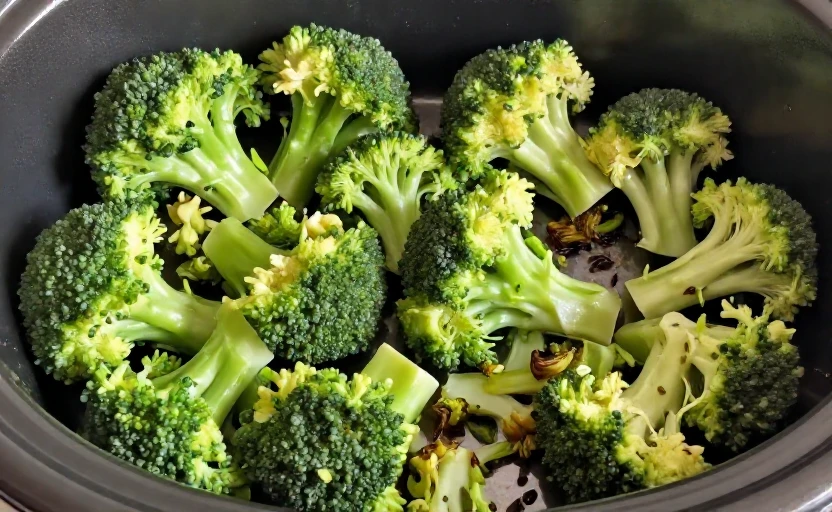
- Last 30-60 Minutes: The most delicate produce. This includes broccoli, zucchini, peas, corn, spinach, kale, and bell peppers. For leafy greens like spinach, often just 10-15 minutes at the end is sufficient—they’ll wilt perfectly from the residual heat.
Other Tips for Perfect Slow-Cooked Veggies
While staggered timing is the most critical step, a few other techniques can elevate your results.
Consider Size and Cut: Uniformity matters. Cutting vegetables into similar-sized pieces ensures they cook evenly. Larger chunks will hold up better to longer cooking times than tiny dice.
Mind the Liquid: Vegetables release water as they cook. If your recipe already contains broth, tomatoes, or other liquids, you may need less than you think. Too much liquid can lead to boiled, rather than gently simmered, vegetables.
The High-Heat Start: For recipes where you want a bit of caramelization, consider sautéing aromatics like onions and garlic, or browning root vegetables, in a skillet before adding them to the slow cooker. This builds a deeper flavor foundation that the low heat of the appliance can’t replicate.
Mastering your slow cooker is less about fancy techniques and more about respecting the natural cooking times of your ingredients. By letting the hardy components do their long, slow work and inviting the delicate vegetables to the party at just the right moment, you ensure every bite is as it should be—full of flavor, nutrition, and pleasing texture. It turns a common mistake into a surefire method for a better meal.