Many of us wind down at night with a warm cup of tea, a sweet snack, or a few minutes scrolling through our phones. These feel like self-care, but one of these habits could be quietly spiking your cortisol levels right when your body is trying to ease into sleep. The result? A restless night that leaves you waking up already tense.
That seemingly soothing nighttime routine may be backfiring in a way you never expected. Even if you are mindful about getting enough hours in bed, the quality of that sleep can be undermined by a single common mistake: consuming the wrong thing—or doing the wrong activity—too close to bedtime.
What Is the Mistake That Raises Stress Before Bed?
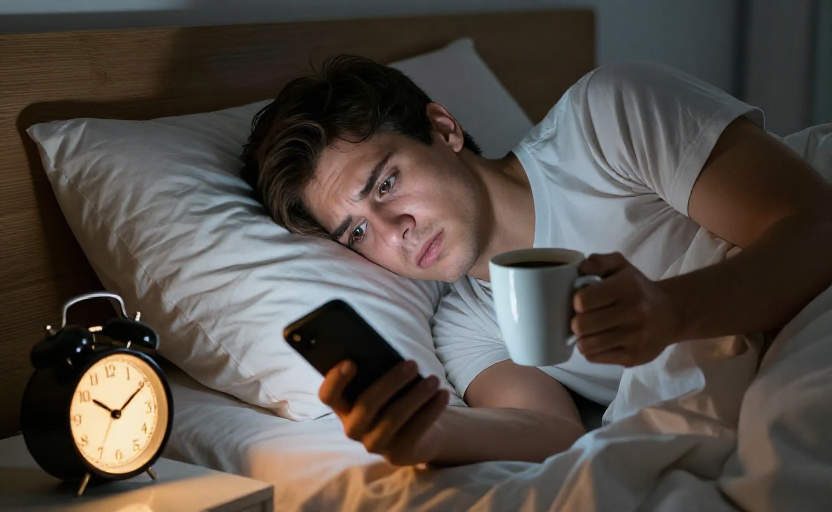
The most common self-care mistake that raises stress before bed is consuming caffeine—or caffeine-like stimulants—later in the day than you think. That cup of coffee after dinner, the dark chocolate square you reach for as a treat, or even a seemingly harmless can of soda can keep your nervous system in a low-grade fight-or-flight state. Caffeine blocks adenosine, the chemical that makes you feel sleepy, and it stimulates your adrenal glands to produce cortisol and adrenaline. When you ingest it within several hours of your head hitting the pillow, your body remains on alert. You may fall asleep eventually, but your sleep architecture is compromised—less deep sleep, more nighttime wake-ups, and a higher heart rate all night.
A quick check: if you have a latte, iced tea, or even matcha after 4 p.m., you may be unintentionally dosing yourself with a stress signal right before sleep.
Beyond caffeine, there is another mistake that masquerades as relaxation: late-night scrolling or watching emotionally charged content. While it feels like downtime, the blue light from screens suppresses melatonin, and the content itself (stressful news, social comparison, or even an addictive TV series) keeps your brain engaged. Your mind treats it as a task, not a wind-down. This combination of light exposure and mental activation raises cortisol at the exact moment your body needs it to drop.
Why This Feels Like Self-Care But Isn’t
Our culture often equates self-care with treating ourselves—a sweet drink, a dessert, a little screen time before bed. But the true definition of self-care is anything that supports long-term health, not just short-term comfort. A post-dinner espresso may taste good, but if it leads to fragmented sleep and higher stress the next day, it is not care; it is a trade-off. Similarly, watching “just one more episode” might feel like a reward, but your brain registers the cliffhanger as a mild stressor. Over weeks and months, this pattern can create a cycle of higher baseline cortisol, making it harder to fall asleep and easier to feel anxious.
How to Spot the Hidden Sources of Evening Stimulation
If you suspect this mistake is affecting you, start by looking for hidden caffeine in your evening routine. It is not just coffee: black and green teas, some herbal blends (like yerba mate), chocolate (especially dark chocolate with 70% cocoa or more), cola and energy drinks, and even some pre-workout supplements or weight-loss teas contain significant amounts. Check labels—even decaf coffee contains a small amount of caffeine. The half-life of caffeine in most adults is 4–6 hours, which means a 4 p.m. cup may still be at half strength at 9 p.m.
Next, audit your screen use in the hour before sleep. Do you scroll social media, read comments, or watch dramatic shows? These activities do not signal safety to your nervous system. Instead, try a 10-minute wind-down that is genuinely relaxing: gentle stretching, deep breathing, listening to a calm podcast (without a screen), or reading a physical book. These actions lower cortisol rather than raising it.
A Simple Evening Routine That Lowers Stress
- Set a hard stop on caffeine and high-sugar foods by 2 p.m. (or 1 p.m. if you are sensitive).
- Switch off screens at least 30 minutes before bed. Charge your phone outside the bedroom if possible.
- Replace the evening “treat” with a non-stimulating option: a cup of chamomile or passionflower tea, a short walk, or a warm bath.
- Keep the bedroom cool, dark, and quiet—this helps your body drop its core temperature and cortisol naturally.
If you have been feeling more stressed at night without a clear reason, take a close look at that pre-bed snack or screen habit. Adjusting just this one pattern can make a noticeable difference in how easily you fall asleep and how restored you feel the next morning.
This article is for educational purposes only and does not constitute medical advice. If you experience persistent insomnia, high anxiety, or other sleep concerns, please consult a healthcare provider.