
You might think you are simply tired when you slump into a chair at the end of a long day. Your shoulders roll forward, your head drops, and your lower back loses its natural curve. It feels like relief, but there is more to that posture than meets the eye. Slumping is not just a sign of tiredness—it is a physical signal from your body that your energy reserves are running low. Many people treat the posture as a habit to correct, but the real fix lies in addressing the fatigue underneath.
Why Slumping Happens When You Are Exhausted
When your body is fatigued, your muscles tire just like the rest of you. The core muscles that keep your spine upright begin to slacken, and your shoulders and neck take on extra weight. Instead of standing tall, you collapse into a position that requires less muscular effort. Dr. Priya Mehta, a physiotherapist and posture specialist, explains that “slumping is the body’s way of conserving energy when it has none left to give.” It is not a bad habit that needs willpower to break—it is a red flag that your body needs rest, not just a posture correction.
People often mistake this slump for a sign of weakness or poor discipline. They force themselves to sit up straight, ignoring the bone-deep exhaustion that caused the slouch in the first place. This approach often backfires, because pushing through fatigue can lead to muscle strain, headaches, and a cycle of poor sleep.
The Cycle of Fatigue and Poor Posture
Ignoring slumped posture as a symptom of fatigue can create a loop that is hard to escape. When you are tired, your posture suffers. When your posture suffers, your breathing becomes shallower, your blood circulation slows, and your muscles tighten. This makes you feel even more exhausted, so you slump more. Over time, this cycle reinforces itself.
How Shallow Breathing Makes Fatigue Worse
A slouched position compresses your diaphragm, reducing the amount of oxygen your lungs can take in. Less oxygen means less energy for your cells. You may find yourself yawning or sighing more often, but those are only temporary fixes. The real solution is to recognize the fatigue signal and respond with rest or gentle movement, not brute-force posture correction.
Tension and Pain as Secondary Signs
When you try to force your shoulders back while exhausted, you recruit secondary muscles that are not designed for sustained work. This can lead to tightness in your neck, upper back, and jaw. Headaches, stiff shoulders, and lower back pain become common complaints that are often treated as standalone problems—yet they may all trace back to the same root: unrecognized fatigue. Dr. Mehta notes that “many cases of chronic neck pain improve when patients learn to listen to their tiredness, not just stretch their traps.”
How to Respond When You Catch Yourself Slumping
The first step is to stop treating slouching as a purely mechanical problem. When you notice your posture collapsing, ask yourself: Am I actually tired? If the answer is yes, the most effective response is not to sit up straighter—it is to rest. Here is a simple way to break the cycle:
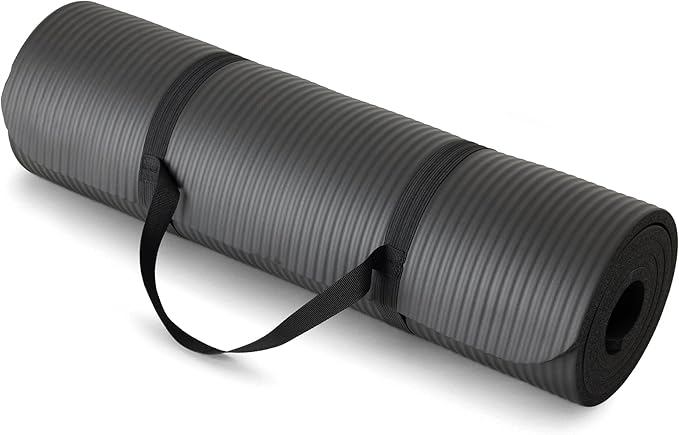
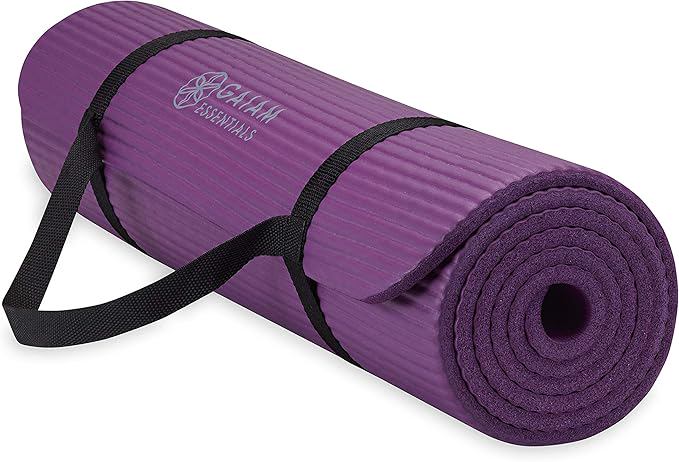
- Take a 5-minute break from your desk. Stand up, walk around, or lie down flat on your back with your knees bent.
- Practice deep breathing while lying down. Place one hand on your stomach and feel it rise as you inhale fully, then exhale slowly.
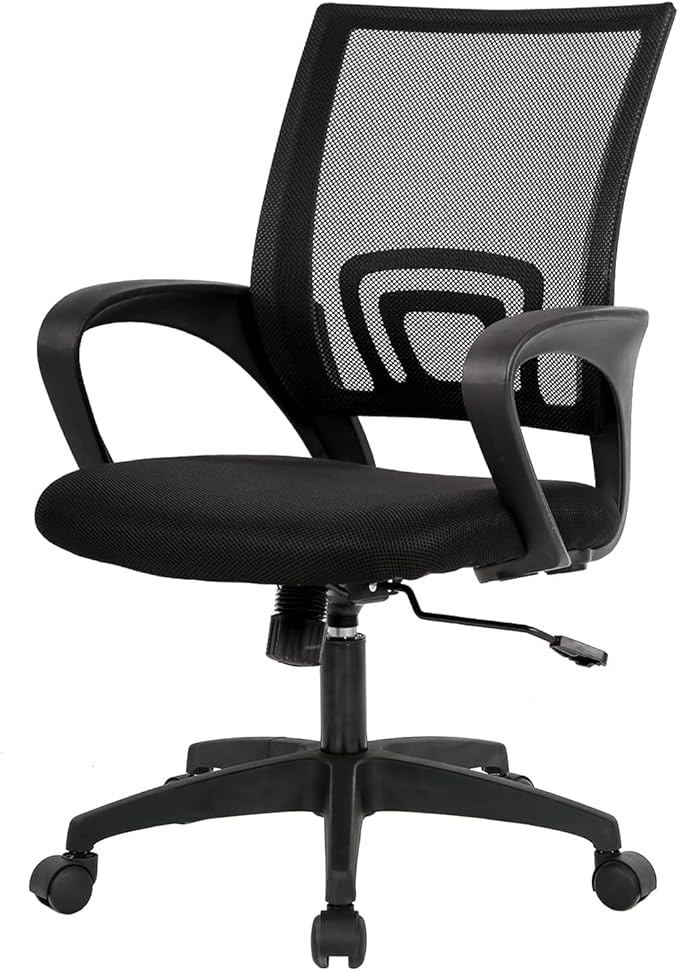
- If you still need to work, change your position. Sit on a chair that supports your lower back, or try a standing desk for short intervals.
- Avoid caffeine or quick-fix stimulants when you feel the slump; they mask the fatigue signal and delay real recovery.
“Your body’s posture is a mirror of your energy level. If you keep polishing the mirror instead of refilling the tank, you miss the point.” – Dr. Priya Mehta
Long-Term Habits to Prevent Fatigue-Driven Posture Problems
Prevention is better than correction when it comes to the posture-fatigue link. Building habits that support your energy levels will naturally help your posture stay upright without conscious effort.
Prioritize Sleep Quality
Fatigue that leads to slumping is often a sign of insufficient or poor-quality sleep. Aim for 7–9 hours per night, and keep a consistent bedtime. Good sleep hygiene—like reducing screen time before bed and keeping your room cool—can make a noticeable difference in how your body holds itself during the day.
Incorporate Movement Into Your Routine
Regular low-intensity movement, such as walking, swimming, or yoga, builds stamina in your postural muscles naturally. You do not need to do heavy strength training; even 20 minutes of daily movement can keep your core engaged enough to prevent slumping when you are tired.
Check In With Your Energy Throughout the Day
Set a timer every two hours to ask yourself: How is my energy right now? If you notice the urge to slump, treat it as a cue to rest, not to correct. Over time, this awareness training helps you break the cycle before it starts.
Recognizing slumped posture as a sign of fatigue—rather than a simple habit to fix—is a self-care shift that can improve both your physical comfort and your overall energy management. Your body is communicating with you every time you slouch. By learning to listen, you give yourself permission to rest when you need it most.