You’ve prepared a beautiful, colorful plate of vegetables, grains, and legumes. It looks vibrant, it’s packed with nutrients, and yet, an hour later, you’re rummaging through the pantry, feeling unsatisfied. This experience is a common hurdle for anyone exploring plant-based eating, and it often stems from one simple, overlooked mistake.
The issue isn’t that vegetarian food is inherently unsatisfying. It’s that we sometimes focus so intently on removing meat that we forget to build a complete nutritional and sensory experience. The result can feel like something is missing, leaving you physically and psychologically hungry.
The Core of Meal Satisfaction
Feeling truly satisfied after a meal—a state called satiety—is a complex dance of biology and psychology. Your stomach needs to feel physically full, your brain needs to register that it’s received adequate nutrients, and your taste buds need to feel engaged. When any of these elements is lacking, the meal falls flat.
For many, the most common mistake in vegetarian cooking is constructing a plate that’s heavy on volume but light on the components that signal true nourishment to your body. You might have a large salad or a big bowl of steamed vegetables, but without the right balance, it’s like building a house with only a frame and no walls.
The Missing Piece: Protein and Fat
While carbohydrates from vegetables and grains provide quick energy and fiber for bulk, they are often digested relatively quickly. The elements that provide lasting satiety are protein and healthy fats. These nutrients slow digestion, stabilize blood sugar, and trigger the release of hormones that tell your brain you’re full.
A meal without a deliberate source of protein and fat is like a car running on an empty tank—it might start, but it won’t get you far.
In meat-centric meals, protein and fat are automatically present. In vegetarian cooking, they must be intentionally added. This doesn’t mean loading up on processed meat substitutes. It means thoughtfully incorporating whole food sources like:
- Legumes: lentils, chickpeas, black beans, tofu, tempeh.
- Whole Grains: quinoa, farro, barley, oats.
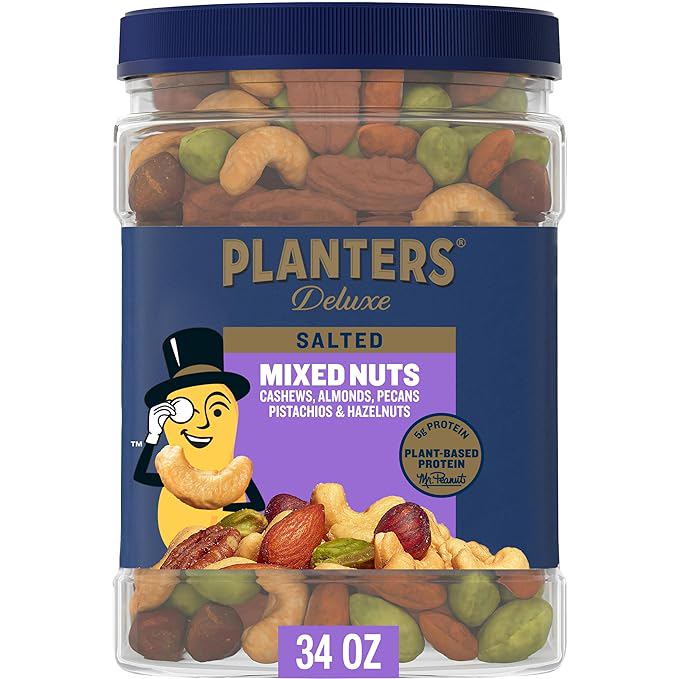
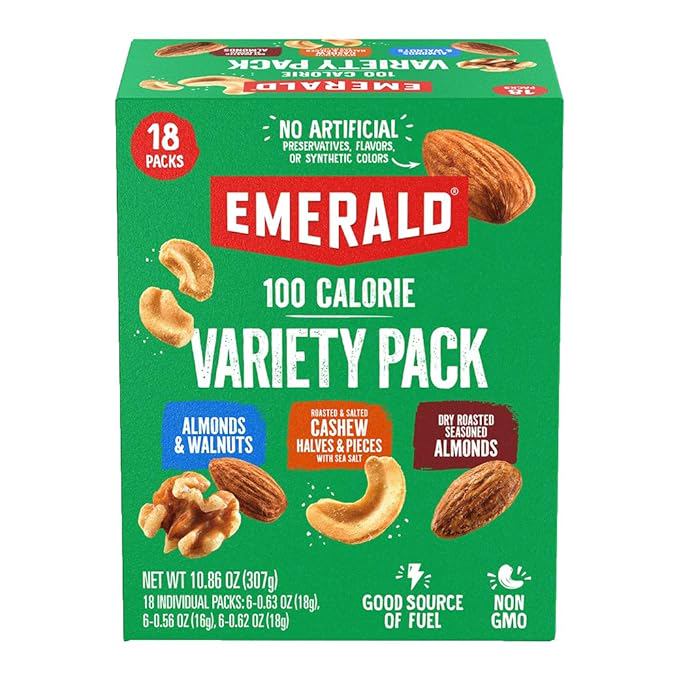
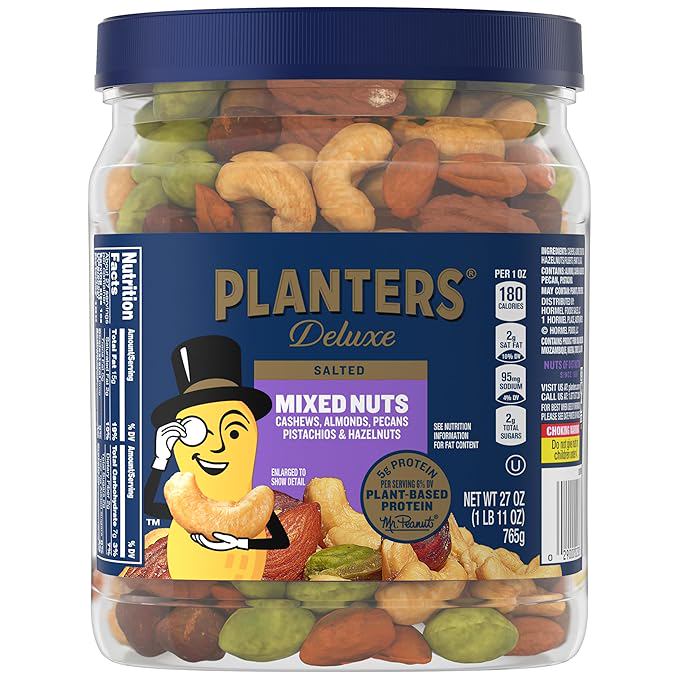
- Nuts and Seeds: almonds, walnuts, chia seeds, hemp hearts, tahini.
- Dairy or Fortified Alternatives: Greek yogurt, cottage cheese, fortified plant milks.
Similarly, a drizzle of olive oil, a handful of avocado, or a sprinkle of nuts adds the healthy fats that make flavors richer and satisfaction longer-lasting.
Beyond Nutrients: The Role of Flavor and Texture
Satisfaction is also a sensory experience. A plate of uniformly soft, steamed vegetables can be nutritious but boring. The human palate craves contrast.
Think about building a meal with a variety of textures: something creamy (like a bean spread), something crunchy (like toasted seeds or roasted chickpeas), something chewy (like a whole grain), and something tender (like roasted vegetables). Each bite becomes more interesting and engaging.
Flavor layering is equally critical. Relying solely on the natural taste of vegetables can lead to blandness. Build depth with:
- Umami boosters: tomato paste, mushrooms, nutritional yeast, soy sauce, miso.
- Acidity: a squeeze of lemon, a dash of vinegar, a spoonful of pickled vegetables.
- Herbs and spices: fresh basil, cilantro, smoked paprika, cumin, garlic, ginger.
These elements stimulate your senses and make the meal feel complete and restaurant-worthy, not like a compromise.
A Practical Plate-Building Guide
To avoid the satisfaction mistake, visualize your plate in parts. Aim for this rough balance:
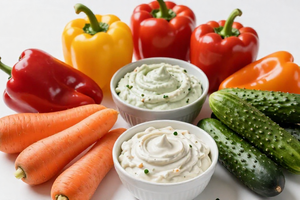
- Half the plate: Colorful vegetables (raw, roasted, or sautéed).
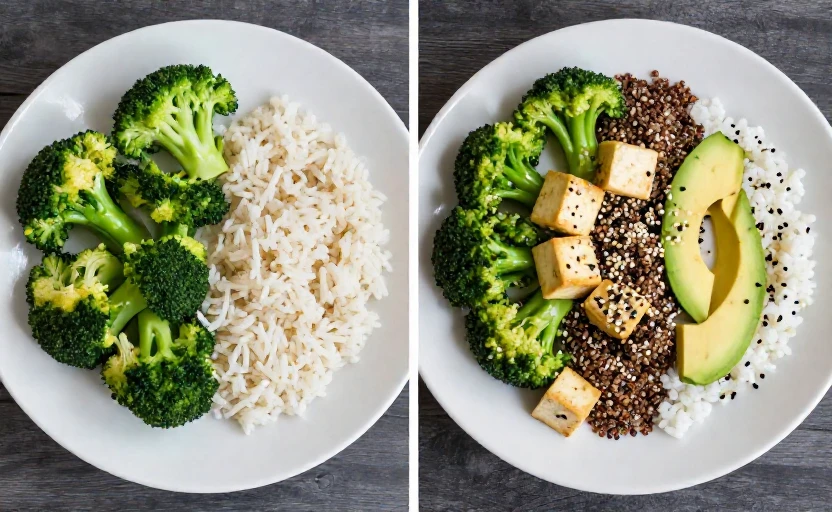
- A quarter of the plate: A protein-rich food (lentils, beans, tofu, tempeh).
- A quarter of the plate: A satisfying complex carb or starchy vegetable (quinoa, sweet potato, brown rice).
- Plus: A source of healthy fat (avocado, olive oil, nuts) and plenty of seasoning.
Transforming a simple vegetable dish into a satisfying meal is exactly what the provided broccoli recipe begins to do. While the original source presents it as a standalone snack, we can use it to illustrate the principle. Blanched broccoli is the vibrant vegetable base. The savory, umami-rich soy sauce glaze adds a punch of flavor that plain broccoli lacks. To make this a truly satisfying meal and correct the common mistake, you’d simply add those missing elements: perhaps by serving it over a bed of quinoa (adding protein and complex carbs) and sprinkling it with toasted sesame seeds (adding fat, crunch, and more protein). Suddenly, it’s no longer just a side.
Listening to Your Body
Finally, pay attention to how you feel after eating. If you’re hungry soon after, don’t blame vegetarianism. Instead, audit your plate. Was there a solid protein source? Did it include healthy fats? Were the flavors robust and the textures varied? Adjusting this one approach—from just eating vegetables to building balanced, flavorful meals—is often the key to making plant-based eating sustainable, enjoyable, and deeply satisfying.