You carve out a precious Sunday afternoon, fill your containers with good intentions, and feel that surge of accomplishment. By Wednesday, you’re staring into the fridge at a landscape of identical, slightly wilted meals, the thought of eating another one filling you with a quiet dread. The food is technically fine, but the joy—and the consistency—is gone. This is the most common meal prep mistake: preparing exactly the same meal, in the same way, for every single day.
It’s a strategy that seems efficient on paper but often leads to burnout, food waste, and a return to last-minute takeout. The good news is that a simple shift in perspective can transform your routine from a chore into a sustainable, time-saving practice that you actually look forward to.
Why Monotony Is the Real Time-Waster
The goal of meal prep is to make your week easier, not to sentence yourself to a week of culinary boredom. When you commit to eating the same chicken, rice, and broccoli five days in a row, you’re fighting basic human nature. Taste fatigue sets in, and what was appetizing on Monday becomes a slog by Thursday. This mental resistance is what truly wastes time—it creates decision fatigue around mealtimes you thought were decided, leading you to spend time and mental energy debating whether to “cheat” or push through.
Furthermore, this approach lacks flexibility. If your schedule changes or a craving strikes, your meticulously prepped meals can feel like a prison, not a tool. The food you dutifully prepared might end up forgotten in the back of the fridge, a sobering example of wasted effort and ingredients.
The fix isn't to prep less; it's to prep smarter by building in variety and flexibility from the start.
The Core Strategy: Prep Components, Not Just Meals
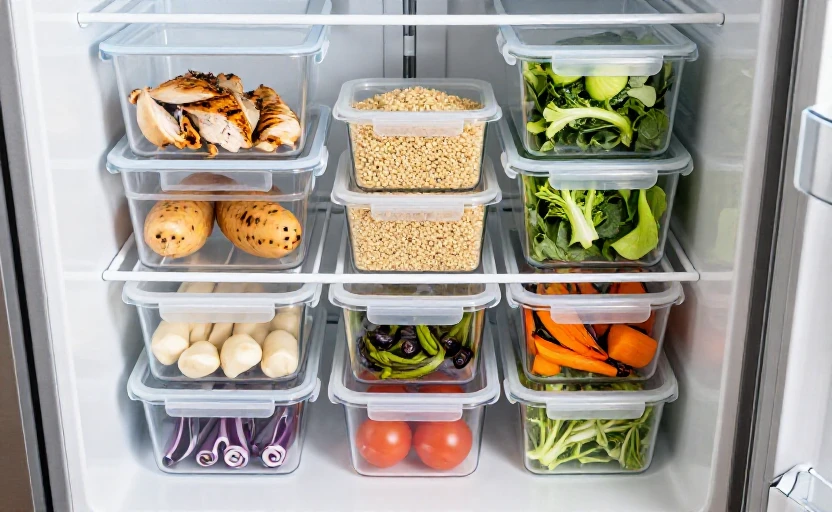
This is the fundamental shift that changes everything. Instead of assembling 10 identical containers of a finished dish, think of your prep session as stocking a modular, mix-and-match pantry for the week. You prepare versatile building blocks that can be combined in different ways to create distinct meals.
This method respects your future self’s potential for different moods and needs. It turns your fridge into a toolkit, not a factory line.
What to Prep as Components
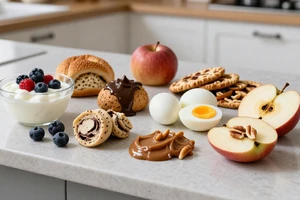
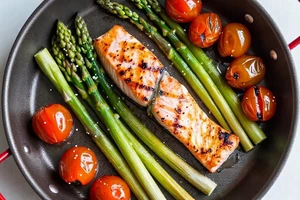
- Proteins: Roast a tray of chicken thighs, bake some salmon fillets, cook a batch of lentils or black beans, or hard-boil a half-dozen eggs. Keep them plain or with simple seasoning.
- Grains & Bases: Cook a pot of quinoa, brown rice, or farro. Wash and dry a head of lettuce for salads, or spiralize a few zucchini for “zoodles.”
- Roasted Vegetables: Chop a variety of veggies (like bell peppers, broccoli, sweet potatoes, and cauliflower), toss them with oil and salt, and roast them on a sheet pan until tender and slightly caramelized.
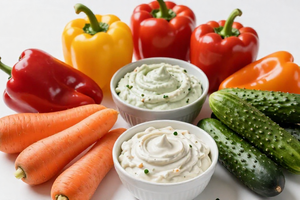
- Fresh Elements: Dice onions, cucumbers, and tomatoes; chop fresh herbs; slice avocados (with a squeeze of lemon to prevent browning). Store these separately.
- Sauces & Dressings: This is the secret weapon for variety. Whisk up two or three different sauces—a creamy herb dressing, a tangy lemon-tahini sauce, a spicy peanut sauce, or a simple vinaigrette.
Transforming Components Into Meals
With your components ready, assembling a meal takes minutes and feels creative, not repetitive. Here’s how a single prep session can yield a week of different lunches:
- Monday: A grain bowl with quinoa, roasted chicken, broccoli, and peanut sauce.
- Tuesday: A large salad with lettuce, black beans, diced veggies, avocado, and herb dressing.
- Wednesday: A wrap with a whole-grain tortilla, salmon, shredded cabbage, and lemon-tahini sauce.
- Thursday: A quick stir-fry by sautéing your pre-chopped veggies with lentils and a dash of soy sauce over fresh rice.
- Friday: A “clean-out-the-fridge” hash: sauté roasted potatoes and peppers with a chopped hard-boiled egg on top.
Each meal feels distinct because the combinations and flavors are different. You’ve effectively prepped for five different meals in the time it might have taken to make one big batch.
Practical Tips to Cement the Habit
Adopting a component-based system is easier with a few guiding principles. Start by planning two or three anchor meals for the week, then identify the overlapping ingredients. If both a stir-fry and a salad need bell peppers and cooked chicken, you know what to prep in bulk.
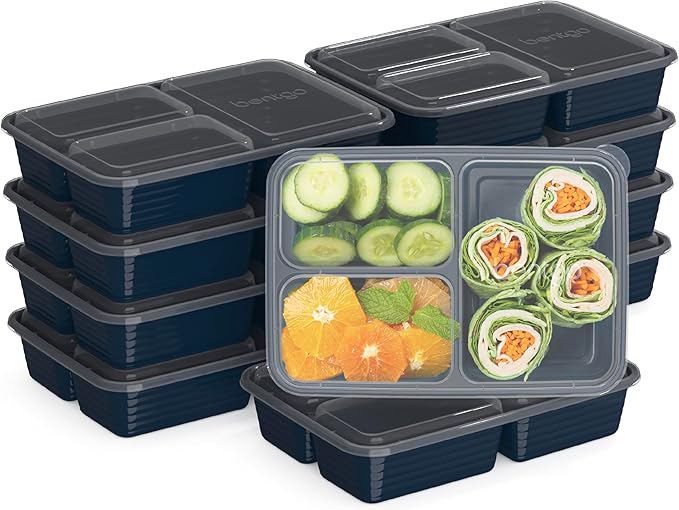
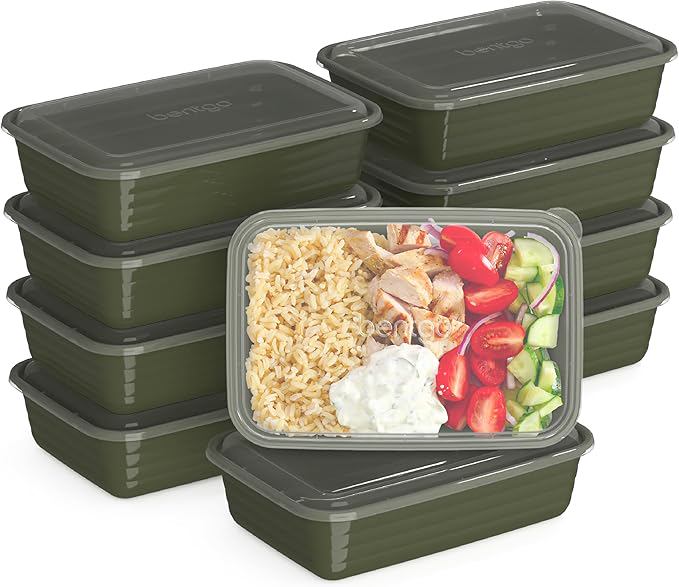
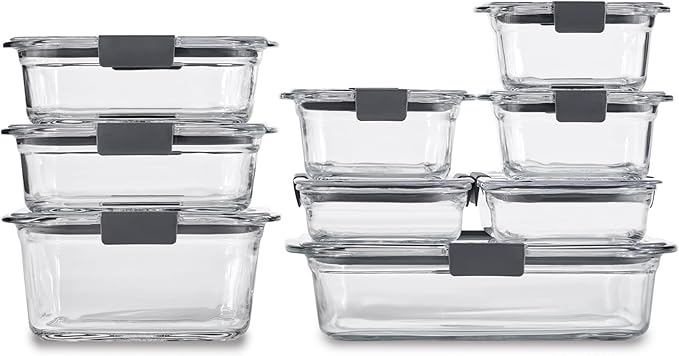
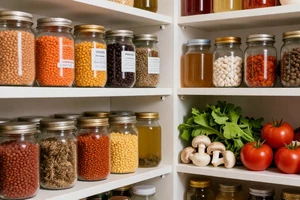
Invest in good-quality, uniform storage containers. Clear glass containers are ideal because they let you see what you have, reducing the “out of sight, out of mind” problem. Use smaller jars or containers for your sauces and dressings to keep everything fresh and organized.
Finally, designate a “refresh” night, often Wednesday or Thursday. This isn’t more cooking; it’s simply taking 15 minutes to assess what’s left, perhaps cooking a quick pot of pasta or grabbing a fresh baguette to combine with remaining components in a new way. This midweek check-in prevents end-of-week fatigue and ensures nothing goes to waste.
By prepping components instead of monolithic meals, you reclaim time, reduce waste, and—most importantly—create a system that supports your real life. You give yourself the gift of choice, turning meal prep from a rigid obligation into a flexible foundation for a healthier, easier week.