
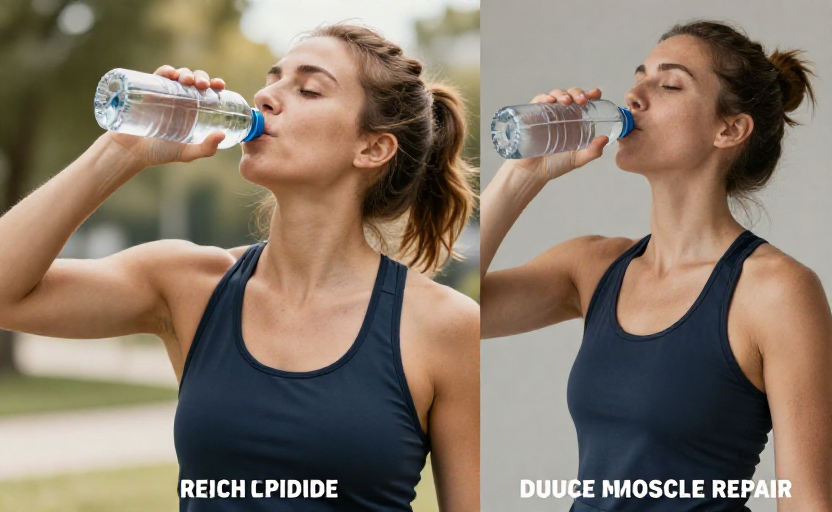
You’ve just finished a tough workout. You’re tired, maybe a little sore, but you feel that good kind of accomplished. You grab a glass of water, maybe even a sports drink, and figure you’ve done your part for recovery. The muscles will repair, and you’ll be ready for next time. But what if that routine act of rehydration is subtly undermining your efforts?
It’s a common oversight, one that doesn’t stem from a lack of trying but from a misunderstanding of what our muscles truly need after exertion. The mistake isn't about if you drink, but what you drink and when you drink it. This gap between intention and action can leave you feeling more fatigued, sore for longer, and less prepared for your next session.
Why Hydration Is More Than Just Water for Muscles
When we exercise, we lose more than just H₂O through sweat. We lose electrolytes—primarily sodium, potassium, magnesium, and chloride. These minerals aren't just fancy additives; they're essential conductors for the electrical signals that make your muscles contract and relax. They also govern how your body balances fluids.
Think of your muscle cells like tiny, intricate workshops. After a workout, they’re busy repairing micro-tears, clearing out metabolic waste like lactic acid, and synthesizing new proteins. This entire repair process happens in a fluid environment. If that environment is off—specifically, if it’s low on electrolytes—the efficiency of the workshop drops.
Plain water can dilute the remaining electrolytes in your bloodstream, slowing the critical processes of nutrient delivery and waste removal from fatigued muscles.
This is the core of the common mistake: reaching for large amounts of plain water immediately after a sweat session. Without the electrolytes to help direct it, that water struggles to get into the cells that need it most for repair. It can pass through you quickly, or worse, create an imbalance that hampers recovery.
Signs Your Hydration Might Be Slowing You Down
How can you tell if this might be affecting you? The signals are often subtle and easy to attribute to just a “hard workout.”
- Prolonged Muscle Soreness: Feeling unusually stiff or sore 48 hours or more after exercise, beyond typical delayed onset muscle soreness (DOMS).
- Persistent Fatigue: A general sense of heaviness and low energy that lingers into the next day, making your next workout feel like a slog.
- Muscle Cramping or Twitching: Especially later in the day or at night after exercise, which can indicate electrolyte imbalance.
- Headaches Post-Workout: Often a sign of an electrolyte shift as your body tries to rebalance fluids.
If these experiences are familiar, your hydration strategy may need a tweak.
Building a Smarter Recovery Hydration Habit
Fixing this mistake doesn’t require complex formulas or expensive products. It’s about intentionality and timing.
1. Replenish Electrolytes During and After Sweat Sessions
For workouts lasting under an hour of moderate intensity, water is usually sufficient. But for longer sessions, high-intensity efforts, or workouts in hot/humid conditions where sweat loss is significant, you need to replace electrolytes. This doesn’t necessarily mean a sugary sports drink. Look for electrolyte tablets or powders you can mix with water, or even a pinch of high-quality salt in your post-workout water can help.
2. Pair Fluids with Recovery Nutrition
Your post-workout snack or meal is a perfect partner for hydration. Foods like a banana (potassium), yogurt (calcium, sodium), nuts and seeds (magnesium), or a small handful of salted crackers help naturally restore electrolyte levels. The carbohydrates and protein also aid muscle repair, making your fluid intake more effective.
3. Listen to Your Thirst, But Also Your Context
“Drink when you’re thirsty” is generally good advice, but after a significant sweat loss, thirst mechanisms can lag. A good practice is to weigh yourself before and after a tough workout. For every pound lost, aim to drink about 16-20 ounces of fluid, prioritizing one that contains electrolytes if the loss is over a pound.
Remember, hydration for recovery is a continuum, not a single event. It starts before your workout, continues during, and is most crucial in the 30-60 minute window afterward. By ensuring your fluid intake supports—not dilutes—your body’s intricate repair systems, you turn a simple act of drinking into a powerful tool for better performance and less downtime.