
You might think a breakfast smoothie is a harmless, even virtuous, way to start the day. But therapists are noticing a pattern: the specific contents of your morning blend could reveal more about your emotional state than you realize. According to mental health professionals, one particular type of smoothie has become a telltale sign of low emotional resilience.
The culprit isn't the fruit or the yogurt. It's the sheer volume of caffeine—often in the form of concentrated coffee, multiple espresso shots, or pure caffeine powder—that people are blending into their breakfast drinks. When a morning smoothie functions less as a meal and more as a high-voltage delivery system for stimulants, it can signal that someone is struggling to cope with daily stressors without chemical support.
What does this have to do with emotional resilience?
Emotional resilience is the ability to adapt to stressful situations without becoming overwhelmed. Therapists explain that reaching for an extreme caffeine hit first thing in the morning can be a sign that you're trying to artificially boost your energy and mood because your natural reserves are depleted. "When a client describes their breakfast as a 'rocket fuel' smoothie with espresso and green tea extract, I start asking about their sleep quality and their baseline anxiety levels," says one family therapist. The smoothie becomes a crutch, not a source of nourishment.
This isn't about demonizing caffeine entirely. A regular cup of coffee can be part of a healthy routine. The red flag is the excessive, concentrated dose that bypasses the body's natural wake-up cycle. Over time, this pattern can create a crash-and-burn cycle that undermines emotional stability, making it harder to handle everyday frustrations, relationship conflicts, or work pressures.
The protein powder pitfall
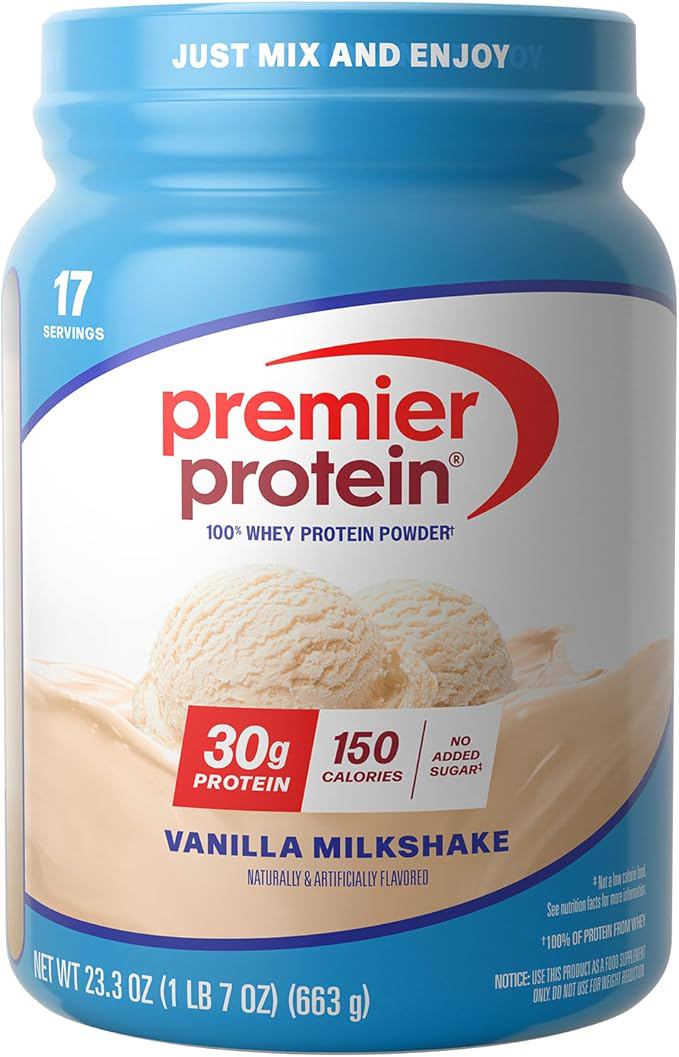
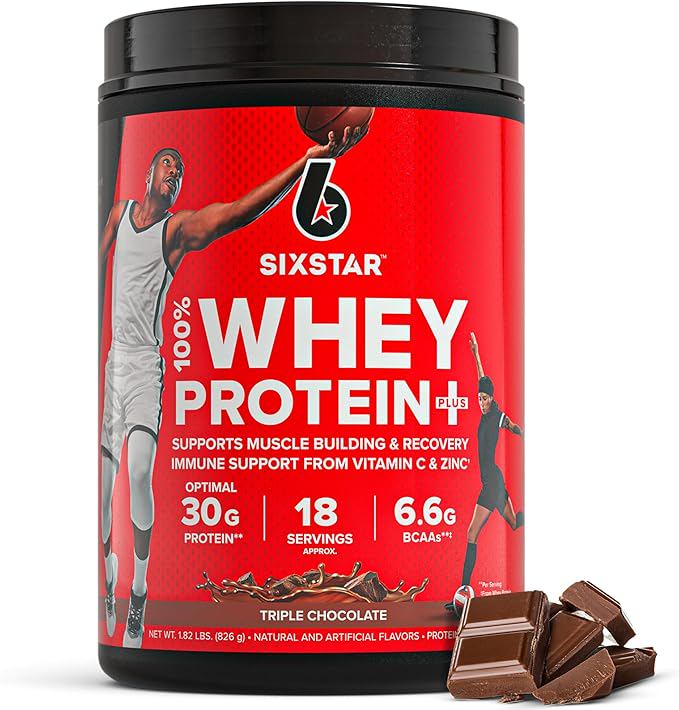
It's not just caffeine. Therapists also point to the habit of loading smoothies with multiple types of protein powders, energy blends, and stimulants to create a feeling of instant control and productivity. This hyper-optimization of breakfast can mask underlying feelings of inadequacy or burnout. "If your breakfast is engineered purely for performance, you might be neglecting the need for rest and emotional processing," warns a couples counselor quoted in a recent study on stress and relationships.
How to read your own smoothie habits
You don't need to throw out your blender. Instead, therapists suggest a simple check-in: ask yourself why you're making that particular smoothie. Is it for pleasure? For gentle energy? Or is it to jolt yourself awake and power through a day you're dreading? Low emotional resilience often shows up as a compulsion to control your internal state with substances—and a breakfast smoothie can be a subtle vehicle for that need.
“If your morning smoothie is a weapon against exhaustion rather than a food, it's time to look at the bigger picture.”
Consider swapping one high-caffeine ingredient for a more grounding element, like a banana for potassium, or a spoonful of nut butter for healthy fats. These choices support steadier blood sugar and a calmer nervous system. Emotional resilience isn't built on speed; it's built on sustainable habits.
The relationship link
Interestingly, research published in Social Psychological and Personality Science found that couples who blamed the pandemic for their stress—rather than each other—reported happier relationships. The parallel is clear: when we can't identify the real source of our stress, we often look for quick fixes. A caffeine-loaded smoothie can be a sign that you're blaming your own low energy, rather than addressing deeper issues like poor sleep, anxiety, or unresolved relationship friction.
Therapists encourage a gentler approach: before you reach for the espresso powder, pause and ask what your body actually needs. Often, it's rest, hydration, or a conversation—not another stimulant.