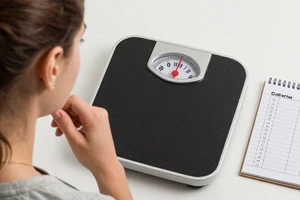

When you're under chronic stress—juggling work, family, and the everyday demands of life—sticking to a calorie deficit can feel nearly impossible. Stress hormones like cortisol don't just mess with your mood; they can disrupt hunger cues, encourage cravings for energy-dense foods, and alter how your body stores fat. Yet a well-timed eating schedule may help you stay in a deficit without adding more mental load. Here's what experts suggest.
Why timing matters more under stress
Cortisol follows a natural daily rhythm: it peaks in the early morning to help you wake up and gradually declines through the day. Chronic stress can flatten or dysregulate this curve, leaving cortisol elevated at night. That matters for a calorie deficit because high evening cortisol is linked to stronger cravings for sugar and fat, as well as a tendency to eat more later in the day. A strategic meal timing plan can work with your biology rather than against it.
Front-load your calories: a bigger breakfast and lunch
One of the most consistent findings from chrononutrition research is that eating a larger share of your daily calories earlier in the day supports weight management, even when total intake is the same. For someone under stress, this approach has a double benefit: it provides steady energy during the high-demand morning and early afternoon hours, and it leaves less room for late-night eating, when willpower tends to be lowest and cortisol-driven cravings peak.
A practical starting point is to aim for roughly 40–50% of your daily calories at breakfast and lunch combined, with a moderate or lighter dinner. This doesn't mean skipping dinner—just making it smaller. For example, if your target is 1,800 calories per day, you might eat around 400–500 at breakfast, 500–600 at lunch, and 400–500 at dinner, leaving a bit of flexibility for a small snack if needed.
Tip: If you're not hungry first thing in the morning, start with a small protein-rich snack (like Greek yogurt or a hard-boiled egg) and eat your larger meal a couple of hours later. Forcing a big breakfast before your appetite wakes up can backfire.
Keep eating windows consistent (but not overly narrow)
Time-restricted eating—compressing your daily eating window to 8–10 hours—has shown promise for reducing overall calorie intake and improving metabolic health. But under high stress, an overly tight window (say, 6 hours) can feel restrictive and may increase cortisol if it conflicts with your social or work schedule. A more moderate 10-hour window, such as eating between 8 a.m. and 6 p.m., is often easier to sustain. It still allows for three meals and a small snack, while giving your body a solid 14-hour overnight fast.
Consistency matters more than perfection. If your window shifts by an hour or two on weekends, that's fine. The goal is to avoid erratic patterns where some days you eat from 7 a.m. to 9 p.m. and others from noon to midnight. That kind of fluctuation can disrupt the circadian signals that help regulate hunger and satiety.
Prioritize protein and fiber at every meal
Stress increases the body's demand for certain nutrients, and it also makes you more prone to reaching for quick carbs. To protect your muscle mass and keep blood sugar stable, aim for 25–30 grams of protein per meal, paired with at least 5–10 grams of fiber. Protein and fiber both increase satiety, meaning you feel fuller longer with fewer calories. They also blunt the blood sugar spikes that can trigger energy crashes and subsequent cravings.
- Breakfast: Eggs or Greek yogurt with vegetables, plus a piece of fruit or a small handful of nuts.
- Lunch: A generous salad with grilled chicken/legumes/tempeh, a whole grain like quinoa, and a lemon-tahini dressing.
- Dinner: A moderate portion of lean fish or tofu with steamed vegetables and a side of lentils or beans.
Plan for a strategic evening snack—when you actually need it
Sometimes the gap between lunch and bedtime is simply too long, and a small, planned snack can prevent a late-night kitchen raid. The trick is to choose something that won't spike your insulin and then send your blood sugar crashing, which can disturb sleep and further elevate cortisol. Good options are low-sugar, protein-rich snacks like a small apple with peanut butter, a handful of almonds, or a cup of bone broth. Keep the portion to about 150 calories or less, and try to eat it at least 90 minutes before bed.
What to avoid: erratic eating and skipping meals
Under stress, skipping a meal might seem like a quick way to cut calories, but it often leads to overcompensating later in the day. It also sends a signal to your body that food is scarce, which can raise cortisol and promote fat storage in the abdominal area. When you're trying to maintain a calorie deficit, consistency is your friend. Even if you eat a little more at one meal, it's better to keep the rhythm of regular eating rather than skipping and overcorrecting.
The bottom line
For anyone navigating a calorie deficit under high stress, the evidence points toward three key habits: front-loading calories earlier in the day, maintaining a moderate and consistent eating window, and keeping meals rich in protein and fiber. These strategies don't require counting every gram or following a rigid schedule—they simply align your eating pattern with your body's natural stress rhythms, making the deficit easier to sustain without extra mental strain.