
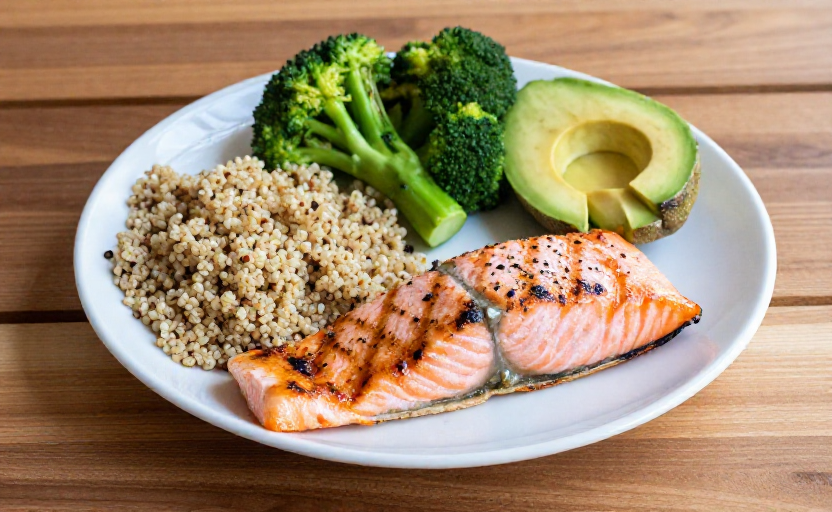
Navigating lunch with prediabetes can feel like a daily puzzle. You want something satisfying, convenient, and that won’t send your blood sugar on a rollercoaster. The good news is that a prediabetes-friendly lunch isn’t about deprivation; it’s about building a plate that works for your metabolism. The science points to meals that are rich in fiber, lean protein, and healthy fats, creating a steady release of energy that keeps you full and supports stable glucose levels.
Think of your lunch plate as a tool for balance. The goal is to combine foods that slow digestion and the absorption of sugars, preventing those sharp spikes and subsequent crashes that can leave you feeling tired and foggy in the afternoon. This approach isn’t a temporary diet—it’s a sustainable way of eating that nourishes your body and can help improve your insulin sensitivity over time.
What makes a lunch prediabetes-friendly?
A prediabetes-friendly lunch is built on a foundation of whole, minimally processed foods. The core principle is managing the glycemic load of your meal—essentially, how much and how quickly the carbohydrates you eat raise your blood sugar. You achieve this not by eliminating carbs entirely, but by choosing them wisely and pairing them strategically.
The most effective plates prioritize non-starchy vegetables, lean proteins, and healthy fats. These components work together: fiber from vegetables slows digestion, protein promotes satiety and helps with muscle maintenance, and fats further slow gastric emptying. This trio creates a buffer, allowing any carbohydrates from sources like whole grains or legumes to be absorbed gradually.
The most powerful tool on your plate is fiber, particularly the soluble kind found in foods like beans, oats, and Brussels sprouts. It forms a gel in your gut, slowing everything down.
Building your plate: A simple framework
You don’t need a complicated recipe to start. Use this visual guide to assemble a balanced lunch, whether you’re packing from home or making choices at a café.
- Half your plate with non-starchy vegetables: This is your volume and fiber base. Think leafy greens, broccoli, cauliflower, peppers, mushrooms, zucchini, and tomatoes. They’re low in calories and carbs but high in nutrients and bulk, helping you feel full.
- A quarter of your plate with lean protein: Aim for about the size of your palm. Options include grilled chicken or turkey, fish like salmon or tuna, tofu, tempeh, lentils, or eggs. Protein is crucial for satiety and has a minimal direct impact on blood glucose.
- A quarter of your plate with high-fiber, complex carbohydrates: This is where you choose quality carbs. A fist-sized portion of quinoa, farro, black beans, sweet potato, or whole-grain bread or pasta fits here. These provide energy and more fiber.
- Include a source of healthy fat: Add a thumb-sized portion of fat like avocado slices, a sprinkle of nuts or seeds, or a dressing made with olive oil. Fat adds flavor, helps absorb fat-soluble vitamins, and contributes to steady energy.
Putting the framework into practice
This isn’t about perfection. A “taco bowl” with lettuce, black beans, chicken, pico de gallo, and avocado follows this framework perfectly. So does a large salad with mixed greens, chickpeas, tuna, cucumbers, and an olive oil vinaigrette. The key is the combination, not any single ingredient.
Science-backed lunch ideas to try
Let’s translate the framework into real meals. These ideas emphasize whole foods, plenty of fiber, and balanced macronutrients.
The Hearty Salad Jar: Layer a mason jar with a lemon-tahini dressing at the bottom, then add chopped cucumbers, cherry tomatoes, and shredded chicken or chickpeas. Top with a big handful of spinach or kale and a sprinkle of sunflower seeds. When you’re ready to eat, shake it up. The dressing stays at the bottom until you mix it, keeping the greens crisp.
Lentil and Vegetable Soup: A big-batch soup made with brown or green lentils, carrots, celery, onions, and kale is a fantastic make-ahead option. Lentils are a superstar for prediabetes, offering both protein and a hefty dose of soluble fiber. Pair a bowl with a small side salad for a complete meal.
Open-Faced Sandwich on Whole-Grain Bread: Use one or two slices of dense, seedy whole-grain bread. Top with mashed avocado, plenty of leafy greens, and slices of turkey or a hard-boiled egg. The fiber from the bread and avocado helps moderate the meal’s overall impact.
Leftover Protein Bowl: Use last night’s grilled salmon or baked tofu as your centerpiece. Add a scoop of quinoa or farro, and steam a large portion of broccoli or Brussels sprouts. Drizzle with a little olive oil and lemon juice.
Foods to be mindful of at lunch
While no food is completely off-limits, some common lunch choices can disrupt blood sugar stability. Being aware allows you to make informed swaps or adjust portions.
Refined carbohydrates like white bread, bagels, plain pasta, and white rice are quickly broken down into sugar. Similarly, sugary drinks—including sodas, sweetened teas, and even many fruit juices—deliver a rapid dose of glucose without any fiber to slow it down. Processed deli meats often contain added sugars and preservatives, and fried foods add unnecessary unhealthy fats and calories that can worsen insulin resistance over time.
This doesn’t mean you can never have a sandwich. It means choosing whole-grain bread, loading it with vegetables, and including a quality protein source, rather than having white bread with processed meat and no veggies.
Planning and preparation for success
The most challenging time to make a balanced choice is when you’re already hungry. A little planning removes the guesswork.
Dedicate an hour or two on the weekend to batch-cook components: roast a tray of mixed vegetables, cook a pot of quinoa or beans, and grill a few chicken breasts or bake some tofu. Store them separately in the fridge. Each morning, you can quickly assemble a balanced plate or container. Keeping easy staples on hand—like canned tuna in water, frozen vegetables, pre-washed greens, and eggs—makes throwing a meal together simple.
When eating out, look for keywords like “grilled,” “baked,” or “steamed.” Start with a salad (ask for dressing on the side) or a vegetable-based soup. For your main, visualize the plate framework: can you get a vegetable side instead of fries? Is the portion of pasta or rice oversized? It’s perfectly okay to ask for substitutions or to set half the entrée aside for later before you even start eating.
Managing prediabetes is a journey of consistent, positive choices. Your lunch is a powerful daily opportunity to support your metabolic health with delicious, satisfying food. By focusing on whole-food combinations that balance your plate, you’re not just eating for today—you’re building habits for long-term well-being.