
Choosing what to drink can feel like navigating a minefield when you’re focused on managing insulin resistance. While food choices often take center stage, beverages are a powerful, yet frequently overlooked, lever for supporting metabolic health. The right drinks can help stabilize blood sugar, reduce inflammation, and provide beneficial nutrients without spiking insulin. The wrong ones can quietly undermine your efforts.
This isn’t about a restrictive list of “allowed” items, but rather a guide to hydrating in a way that actively supports your body’s insulin sensitivity. By understanding the science behind how certain beverages interact with your metabolism, you can make confident, satisfying choices that fit seamlessly into your day.
What makes a drink supportive for insulin resistance?
Before diving into specific choices, it helps to know what we’re looking for. Beverages that support insulin sensitivity generally share a few key traits. They are low in or free from added sugars and refined carbohydrates, which cause rapid spikes in blood glucose and demand high insulin release. Many contain compounds like antioxidants or polyphenols that can help reduce cellular inflammation, a core driver of insulin resistance. Some provide minerals like magnesium, which plays a role in glucose metabolism. Ultimately, the best choices are hydrating, nutrient-dense, and don’t provoke a significant insulin response.
Think of your drink as part of your meal’s metabolic profile—it should complement your food, not complicate it.
Five science-backed beverage choices
Here are five categories of drinks consistently supported by research for their potential benefits in the context of insulin sensitivity and metabolic health.
Water: The fundamental hydrator
It may seem obvious, but proper hydration is foundational. Even mild dehydration can elevate cortisol levels, which in turn can raise blood sugar. Water has zero carbs, zero sugar, and zero insulin impact. For those who find plain water unappealing, infusing it with slices of citrus, cucumber, or fresh herbs like mint adds flavor without adding metabolic stress. Sparkling water is an equally excellent choice, offering variety without compromise.
Green tea: A polyphenol powerhouse
Green tea is rich in catechins, particularly epigallocatechin gallate (EGCG), a potent antioxidant. Research suggests these compounds may improve insulin sensitivity and help lower fasting blood sugar levels. The mechanism appears to involve reducing inflammation and potentially protecting the insulin-producing beta cells in the pancreas. A cup of unsweetened green tea provides a gentle, caffeine-containing lift without the sugar crash of sweetened drinks.
Tip: Let your green tea steep for a few minutes to maximize the release of beneficial compounds, but avoid over-steeping, which can make it bitter.
Apple cider vinegar drinks: The metabolic moderator
Diluted apple cider vinegar (ACV) has garnered attention for its potential blood sugar-modulating effects. Studies indicate that consuming vinegar before or with a meal may improve insulin sensitivity and blunt the post-meal spike in blood glucose. The acetic acid is thought to slow the digestion of carbohydrates. The key is dilution: mix one to two tablespoons into a large glass of water. Never drink it straight, as it can damage tooth enamel and the esophagus.
Herbal teas: Calming and carb-free
Herbal teas, such as chamomile, ginger, turmeric, or hibiscus, offer a warm, comforting option entirely free of caffeine and carbohydrates. Beyond hydration, many herbs possess anti-inflammatory properties. For example, ginger and turmeric contain bioactive compounds like gingerol and curcumin, which are studied for their role in modulating inflammatory pathways linked to insulin resistance. They are a perfect evening choice or a substitute for sugary hot beverages.
Protein-rich smoothies (when crafted carefully)
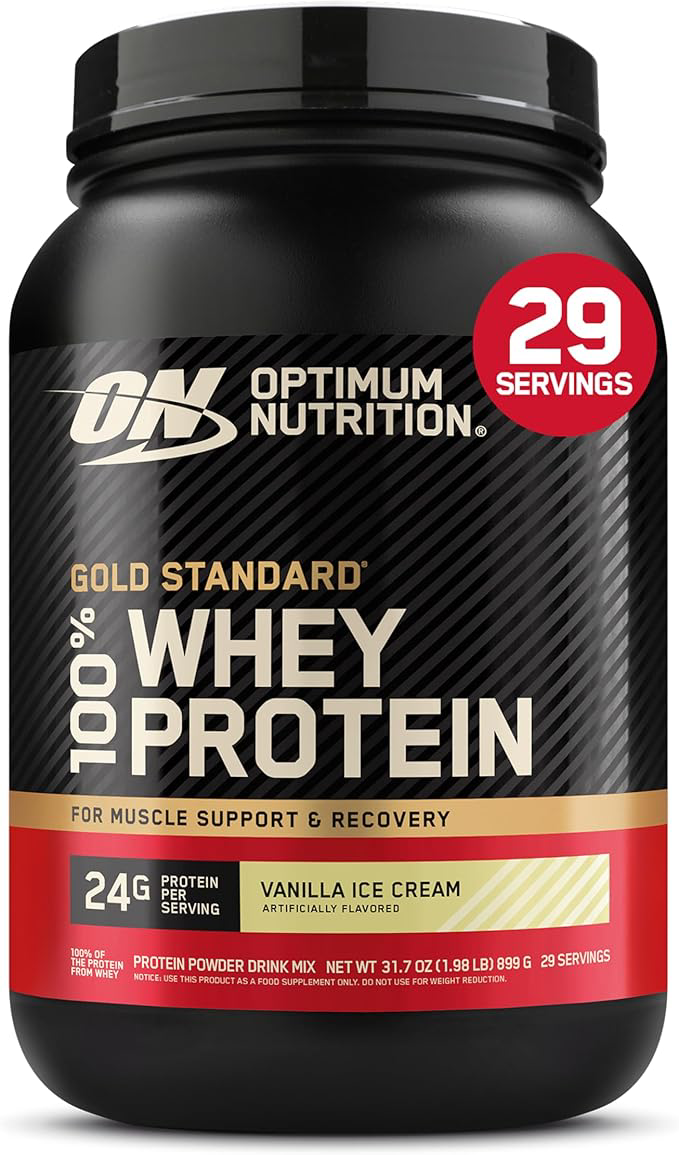
Not all smoothies are created equal. A well-designed smoothie can be a vehicle for protein, healthy fats, and fiber—all of which promote satiety and stable blood sugar. The formula matters: use a base of water or unsweetened almond milk, include a source of protein like a scoop of plain protein powder or Greek yogurt, add healthy fats from avocado or a spoonful of nut butter, and keep fruit to a moderate portion (e.g., a half-cup of berries) to manage sugar content. This combination digests slowly, preventing a sharp insulin rise.
Drinks to approach with caution
While the focus is on positive choices, it’s practical to acknowledge common beverages that can be problematic. Sugar-sweetened drinks—sodas, sweet teas, lemonades, and many coffee shop creations—are the most obvious, delivering a concentrated dose of fructose or sucrose that directly worsens insulin resistance. Even 100% fruit juice, while containing vitamins, lacks the fiber of whole fruit and delivers a high sugar load quickly. “Diet” drinks sweetened with artificial sweeteners are a complex topic; some short-term studies show they don’t raise blood sugar, but emerging research suggests they may negatively affect gut bacteria and insulin sensitivity for some individuals. It’s often wisest to prioritize the whole-food-based beverages listed above.
How to integrate these choices into your day
Making a shift starts with simple swaps. Begin your morning with a glass of water before coffee or tea. Swap an afternoon soda for sparkling water with a splash of citrus or a cup of herbal tea. If you enjoy a smoothie, use it as a occasional meal replacement, not a daily add-on, and follow the protein-fat-fiber template. When dining out, make water, unsweetened iced tea, or sparkling water your default order. The goal is consistency, not perfection. Over time, these choices become second nature, supporting your metabolic health with every sip.