
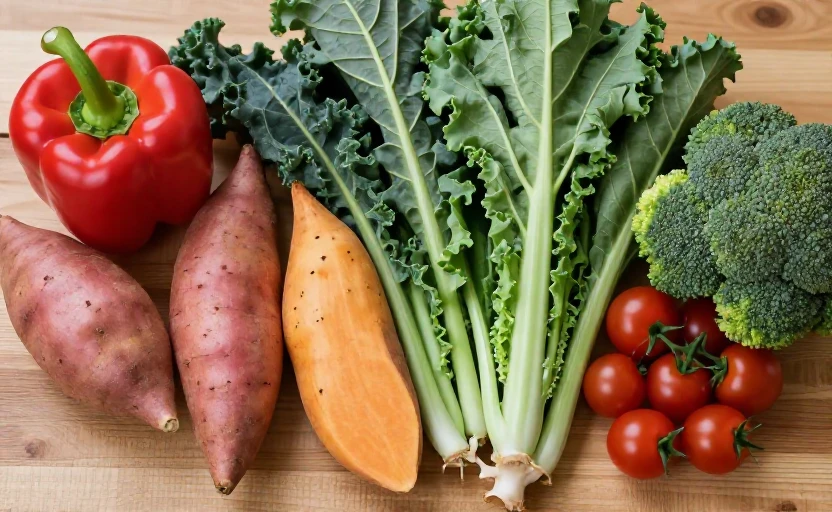
When we talk about anti-aging, the conversation often jumps straight to serums and creams. But the most powerful tools for supporting resilient, radiant skin might already be in your crisper drawer. Nutritionists point to a simple truth: the building blocks for healthy skin come from the foods we eat every day. Vegetables, in particular, deliver a concentrated payload of vitamins, antioxidants, and phytonutrients that work from the inside out to protect and nourish your skin’s structure.
This isn’t about finding a single magic bullet. It’s about consistently choosing vegetables that provide the specific compounds your skin craves to combat oxidative stress, support collagen production, and maintain hydration. Think of it as foundational skincare—the dietary bedrock that makes everything else more effective.
What makes a vegetable "anti-aging" for skin?
Skin ages through both intrinsic processes and extrinsic damage. Intrinsic aging is the natural, genetic decline in collagen and elastin production. Extrinsic aging comes from external aggressors like UV radiation and pollution, which generate free radicals. These unstable molecules damage skin cells, leading to wrinkles, loss of elasticity, and uneven tone.
Anti-aging vegetables help counter both. They are typically rich in a few key players:
- Antioxidants (like Vitamins C & E, beta-carotene, lycopene): These neutralize free radicals, acting as a shield against environmental damage.
- Vitamin C: A superstar for collagen synthesis. It’s essential for building and maintaining the skin’s supportive framework.
- Vitamin A & Carotenoids: Support cell turnover and repair, helping skin shed dull cells and reveal fresher ones.
- Sulforaphane & other phytonutrients: Unique plant compounds that can activate the skin’s own protective pathways.
- Water & Silica: Found in many crunchy veggies, they support skin hydration and structural integrity.
The goal is dietary consistency. A single serving of spinach won’t rewrite your skin’s story, but making these vegetables a regular part of your pattern of eating provides a constant influx of the raw materials your skin needs to repair and defend itself.
Top vegetables to prioritize for your skin
Based on their nutrient density and specific benefits, nutritionists frequently highlight these vegetables for a skin-supportive diet.
Sweet potatoes and carrots
Their vibrant orange color comes from beta-carotene, a carotenoid that converts to vitamin A in the body. Vitamin A is crucial for regulating skin cell growth and repair. Beta-carotene itself also acts as a potent antioxidant and may even provide a subtle, natural photoprotection, helping skin better tolerate sun exposure. Enjoy them roasted, steamed, or blended into soups.
Bell peppers (especially red and yellow)
Bell peppers are one of the richest dietary sources of vitamin C. Just one cup of chopped red pepper provides well over 100% of your daily need. Vitamin C is non-negotiable for collagen production and also helps regenerate vitamin E, another key skin-protective antioxidant. Their crisp texture makes them perfect for raw snacking, which preserves their full vitamin C content.
Spinach, kale, and other leafy greens
These are multi-tasking powerhouses. They offer vitamin C, beta-carotene, and a significant amount of lutein. Lutein protects skin from blue light and UV damage, helping to improve hydration and elasticity. They’re also a source of vitamin K, which can help with skin healing and reducing dark circles. For best absorption of their fat-soluble vitamins, enjoy them with a healthy fat like olive oil or avocado.
Tomatoes (cooked)
Tomatoes are the premier source of lycopene, a carotenoid with strong research backing for its role in protecting skin from photodamage. Interestingly, cooking tomatoes increases the bioavailability of lycopene. So while fresh tomatoes are great, tomato paste, sauce, and even sun-dried tomatoes deliver a more concentrated, absorbable dose of this protective compound.
Broccoli and Brussels sprouts
These cruciferous vegetables contain sulforaphane, a compound that research suggests can help protect skin cells from UV damage by activating protective enzymes within the cells. They’re also packed with vitamins C, K, and fiber. Light steaming or quick sautéing can help retain their beneficial compounds while making them easier to digest.
How to incorporate them into your daily routine
Knowing which vegetables to eat is one thing; eating them consistently is another. The key is integration, not overhaul.
Start by adding one serving to a meal where it’s missing. Blend a handful of spinach into your morning smoothie. Swap your afternoon chips for sliced bell peppers with hummus. Make a batch of roasted sweet potatoes and Brussels sprouts to add to grain bowls throughout the week.
Diversity matters, too. Aim for a variety of colors on your plate—deep greens, bright reds, and vibrant oranges—to ensure you’re getting a broad spectrum of protective compounds. A simple stir-fry, soup, or large salad can easily combine three or four of these skin-loving vegetables.
Your skin renews itself approximately every 27 days. Consistent, nourishing food choices during that cycle provide the quality materials for that renewal process.
What to remember about diet and skin aging
While these vegetables are powerful allies, they work best as part of a holistic approach. No single food can stop aging, and diet cannot reverse deep wrinkles or significant sun damage on its own. Its role is one of prevention, support, and enhancing overall skin health.
Also, be patient. Dietary changes influence skin from the dermis outward, so benefits like improved hydration, brightness, and texture may take several weeks to a few months to become noticeable. Pair your vegetable-rich diet with other supportive habits: diligent sun protection, adequate sleep, stress management, and sufficient water intake.
Finally, if you have specific skin concerns or conditions, it’s always wise to consult with a dermatologist or a registered dietitian. They can help you tailor a plan that addresses your unique needs, ensuring your diet truly supports your skin health goals.