When that familiar 3 p.m. slump hits, many of us reach for whatever is closest—a granola bar, a bag of pretzels, or maybe a sugary coffee drink. We get a quick jolt, sure, but an hour later we’re often left feeling more tired and foggy than before. There is a smarter way to refuel, and it involves swapping your usual processed snack for something that actually works with your body, not against it.
The goal of a good afternoon snack isn't just to stop the stomach from growling. The right choice can steady your blood sugar, maintain mental clarity through the rest of the workday, and even support your immune system. It is not about deprivation; it is about making one small, intentional trade.
Why Your Old Snack Is Letting You Down
Most conventional packaged snacks are high in refined carbohydrates and added sugars. Think crackers, cookies, chips, or sugary yogurts. They digest rapidly, spiking blood glucose and prompting a surge of insulin. That spike is followed by a sharp drop, which triggers fatigue, irritability, and cravings for more sugar. Over time, this pattern can also contribute to low-grade inflammation and reduced immune efficiency.
Your immune system relies on a steady supply of nutrients, not a roller coaster of energy. When you give it consistent fuel—like fiber, healthy fats, and protein—you help keep immune cells active and responsive. A simple afternoon swap can break the cycle.
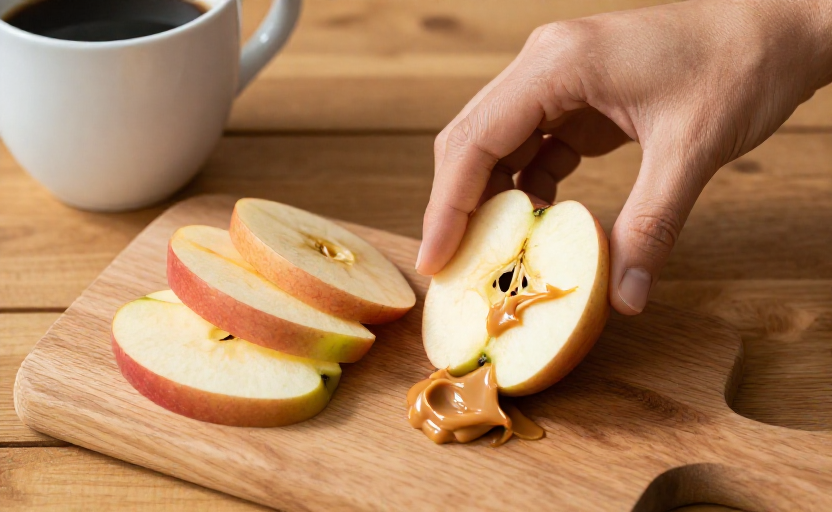
The Swap in a Nutshell: Replace one refined-carb snack with a combination of protein, healthy fat, and fiber. Think an apple with almond butter instead of a bag of pretzels.
What the Right Snack Does for Your Energy and Immunity
A well-composed snack does two things at once: it provides sustained energy for your brain and muscles, and it delivers micronutrients that support immune function. Here is what you want to look for when you make the swap.
Protein for Stable Blood Sugar
Pairing protein with carbohydrates slows digestion. That means glucose enters your bloodstream gradually rather than in a rush. Foods like nuts, seeds, Greek yogurt, or a hard-boiled egg provide that stabilizing effect. You feel full longer and avoid the post-snack crash.
Healthy Fats for Nutrient Absorption
Fat-soluble vitamins A, D, E, and K are vital for immune health, but your body can't absorb them without fat. Swapping a low-fat snack for one with healthy fat (avocado, olive oil, nuts) helps you get more from every meal. It also adds a satisfying richness that keeps cravings at bay.
Fiber for Gut Health
About 70 to 80 percent of your immune tissue lives in your gut. Fiber feeds the beneficial bacteria there, promoting a healthy microbiome. A strong gut barrier helps prevent pathogens from entering the bloodstream. Fruits, vegetables, legumes, and whole grains are your best sources.
Three Simple Swaps to Try This Week
You do not need elaborate recipes. These substitutes take the same amount of time to grab as a bag of chips, but they deliver far better results.
- Instead of a granola bar: a handful of walnuts and a small apple. Most granola bars are held together with sugar and offer little protein. Walnuts provide omega-3s, which help regulate inflammation.
- Instead of flavored yogurt: plain Greek yogurt with a few berries. Flavored yogurts can contain as much sugar as a candy bar. The plain version packs protein and probiotics.
- Instead of crackers: carrot or cucumber sticks with hummus. Crackers are mostly refined flour. Hummus gives you fiber, protein, and healthy fat from chickpeas and tahini.
How This Swap Enhances Immune Response
When you stabilize blood sugar with a balanced snack, you reduce oxidative stress and lower inflammatory markers. That means your immune system doesn't have to work as hard to maintain balance. Additionally, key nutrients found in whole foods directly support immune cells:
- Vitamin C (bell peppers, citrus, strawberries) helps white blood cells function properly.
- Zinc (pumpkin seeds, chickpeas, nuts) is essential for immune cell development.
- Vitamin E (almonds, sunflower seeds) acts as an antioxidant that protects cell membranes.
By consistently choosing snacks that provide these nutrients, you build a foundation that helps your body respond more effectively to everyday challenges.
Making It Stick Without Overthinking
You don't need to overhaul your entire diet. Start with one snack swap per day. Prep a small container the night before so you aren't reaching for whatever is in the vending machine when hunger strikes. Notice how you feel an hour after eating. Most people report clearer thinking and fewer energy dips within a few days.
It helps to keep the swap simple. If you like crunch, go for raw vegetables or nuts. If you crave something creamy, try cottage cheese or sliced avocado. The key is pairing each food with a protein or fat source so the energy release is slow and steady.
The afternoon is a vulnerable time for our willpower and our metabolism. That makes it the perfect moment to practice a small, positive habit. Over weeks and months, that single daily swap can translate into more consistent energy, fewer cravings, and a more resilient immune system. Small changes, done well, really do add up.