Managing type 2 diabetes often feels like a constant balancing act, especially when it comes to food. The idea of planning every meal can seem daunting, but a structured approach can actually bring a sense of calm and control back to your kitchen. This seven-day meal prep plan isn't about deprivation or complex recipes; it's a practical framework built on consistency, balanced nutrition, and the simple power of preparation.
By dedicating a few hours to thoughtful preparation, you can set yourself up for a week of stable energy, fewer mealtime decisions, and the confidence that comes from nourishing your body well. The goal is to create meals that are rich in fiber, lean protein, and healthy fats—nutrients that work together to support steady blood sugar levels.
Building Your Foundation: The Prep Day
Success begins with a well-stocked kitchen and a few hours of foundational prep, ideally on a Sunday afternoon. This upfront investment saves time and stress throughout the busy week ahead.
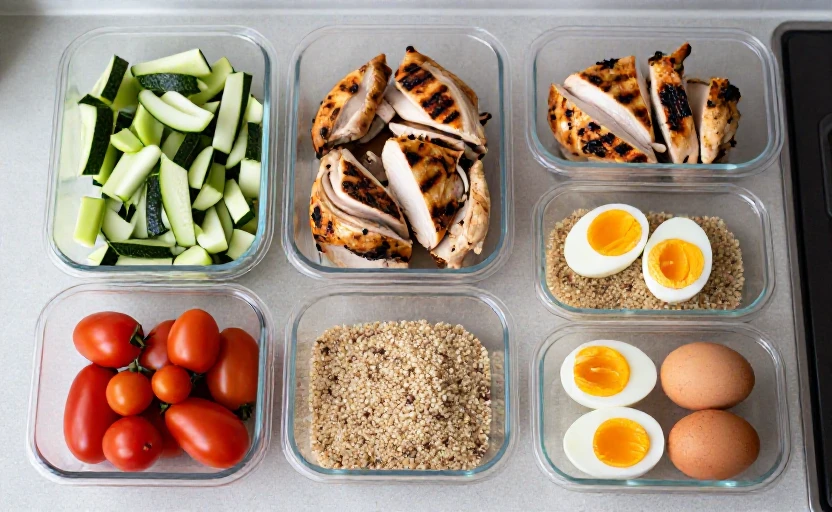
Start by washing and chopping your vegetables. Portion broccoli, bell peppers, carrots, and leafy greens into airtight containers. Cook a large batch of a high-fiber grain like quinoa or brown rice—these complex carbohydrates release energy slowly. Grill or bake a lean protein source, such as chicken breast or firm tofu, and prepare a batch of hard-boiled eggs. Having these core components ready transforms assembling a balanced plate into a simple task of mixing and matching.
A prepared kitchen is your first line of defense against impulsive, less-balanced choices.
Your 7-Day Meal Plan
This plan provides a template. Portion sizes should be tailored to your individual needs, and you are always encouraged to swap ingredients for others with similar nutritional profiles. Listen to your hunger cues and consult with your healthcare provider for personalized guidance.
Days 1-3: Establishing Rhythm
The first half of the week utilizes your prepped ingredients in straightforward, satisfying combinations.
Breakfast: A vegetable omelet with spinach and mushrooms, served with a side of berries. The protein and fat from the eggs help moderate the natural sugars in the fruit.
Lunch: A large salad bowl with mixed greens, grilled chicken or chickpeas, a variety of chopped raw vegetables, and a sprinkle of nuts or seeds. Dress it simply with olive oil and vinegar.
Dinner: A balanced plate featuring a serving of your prepped lean protein, a generous portion of roasted non-starchy vegetables (like broccoli and cauliflower), and a half-cup of the cooked quinoa or brown rice.
Days 4-7: Variation and Flavor
As the week progresses, introduce new flavors to keep meals interesting while maintaining the same nutritional principles.
Breakfast: Greek yogurt topped with a small handful of walnuts and a sprinkle of cinnamon. The probiotics, protein, and healthy fats make this a powerful, stabilizing start.
Lunch: Leftovers from the previous night's dinner are perfect. If you need a change, try a whole-grain wrap filled with turkey, hummus, and plenty of crunchy vegetables.
Dinner: Explore different cooking methods. Try baking salmon with a lemon-herb crust, served with asparagus and a small sweet potato. Or, make a hearty chili with lean ground turkey, kidney beans, and plenty of tomatoes and peppers.
Smart Snacking Strategies
Planned snacks can prevent energy dips and overeating at main meals. Keep options simple and balanced, pairing a protein or fat with a fiber-rich carbohydrate.
- A small apple with a tablespoon of almond butter.
- Carrot and cucumber sticks with a quarter-cup of hummus.
- A single serving of plain popcorn sprinkled with nutritional yeast.
- A hard-boiled egg with a few whole-grain crackers.
Beverages and Hydration
What you drink is just as important as what you eat. Water should be your primary beverage. Herbal teas, sparkling water with a twist of citrus, and black coffee (in moderation) are also excellent choices. Be mindful of sugary drinks, fruit juices, and even sweetened “diet” beverages, as some research suggests they may still impact metabolic health.
Adapting the Plan for You
This framework is designed for flexibility. If you don't eat animal products, swap chicken for tempeh, tofu, or lentils. Not a fan of quinoa? Try barley or farro. The core idea is to build each meal around a template: fill half your plate with non-starchy vegetables, a quarter with lean protein, and a quarter with a high-fiber carbohydrate. This visual guide takes the guesswork out of portioning.
Remember, consistency over perfection is the true goal. Some days will go exactly as planned, others may not. What matters is returning to this balanced, prepared approach as your default, creating a sustainable rhythm that supports your long-term well-being.