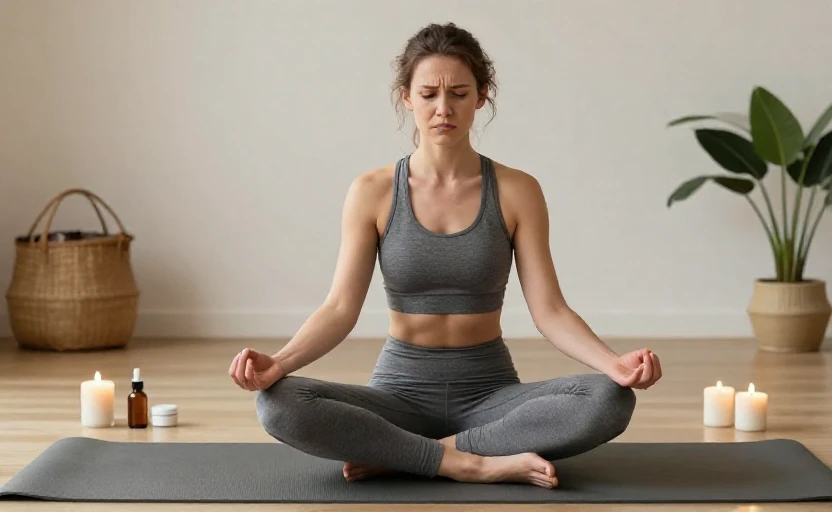
You’ve had a long day, and you know you need to unwind. So you follow the script: you put your phone away, maybe light a candle, and try to force yourself into a state of calm. But instead of feeling restored, you end up feeling more wound up, more frustrated, and more stressed than when you started. It’s a confusing paradox—how can trying to care for yourself sometimes backfire so completely?
The answer often lies not in the intention, but in the execution. When stress is high, our well-meaning attempts at self-care can subtly morph into forms of pressure or avoidance that ultimately feed the cycle of anxiety. Recognizing these common missteps is the first step toward turning your self-care routine from a source of frustration into a genuine anchor of calm.
Mistake 1: Treating Self-Care as a Performance
This is perhaps the most pervasive error. It happens when we approach self-care as a checklist of Instagram-worthy activities to be completed perfectly. The goal shifts from feeling better to doing self-care correctly. You might find yourself thinking, “I must meditate for twenty minutes,” or “I have to go for a run, even though I’m exhausted.”
When self-care becomes a rigid performance, it carries all the hallmarks of a stressor: obligation, judgment, and a fear of failure. The activity itself, which should be nourishing, becomes another item on your endless to-do list, another opportunity to feel you’re not measuring up.
The antidote is to reconnect with the purpose: self-care is meant to serve you, not the other way around.
Instead of a strict regimen, think in terms of gentle nudges. Ask yourself a simpler question: “What would feel genuinely supportive right now?” Sometimes the answer is a brisk walk; other times it’s ten minutes of sitting quietly with a cup of tea, or even permission to do nothing at all without guilt. Let the activity fit your energy, not the other way around.
Mistake 2: Using “Relaxation” to Numb or Avoid
In an effort to escape feelings of overwhelm, we sometimes use self-care activities not to process our stress, but to blunt it entirely. This looks like scrolling through your phone for hours under the guise of “unwinding,” binge-watching shows to the point of mental fog, or using a glass of wine as a mandatory “relaxation” tool every night.
While these actions might provide a temporary escape, they function as avoidance. They don’t address the underlying stress; they simply press the pause button, allowing the pressure to build in the background. You disengage from your feelings and your life, which can lead to a lingering sense of emptiness and anxiety once the distraction ends.
- Scrolling through social media for long periods, often leading to comparison and information overload.
- Mindless consumption of content or food to fill a quiet space.
- Using substances routinely as the primary method to “switch off.”
True relaxation allows you to be present with yourself, not absent from yourself. It might involve a mindful activity that engages your hands or senses, like sketching, cooking a simple meal, or stretching. The key difference is conscious engagement versus checked-out escape.
Mistake 3: Isolating Yourself When You Need Connection
When we’re stressed, a common instinct is to retreat. We tell ourselves we need to “sort ourselves out” alone before we can be around others. While solitude is vital, prolonged isolation during times of stress can magnify anxiety. It leaves you alone with your ruminating thoughts, with no external perspective to break the cycle.
Self-care is often portrayed as a solo journey—a bubble bath, a solo hike, a journaling session. These are valuable, but human connection is a fundamental pillar of emotional resilience. Denying yourself this form of care because you feel you “should” handle everything alone can be a major mistake.
Connection doesn’t have to mean pouring your heart out for hours. It can be a short, low-pressure text exchange with a friend, sharing a quiet coffee with someone, or even participating in a group activity where conversation is optional, like a yoga class or a walk in the park. These micro-moments of shared presence remind your nervous system that you’re not alone, which is inherently calming.
Shifting away from these common mistakes isn’t about adding more rules. It’s about cultivating a kinder, more intuitive relationship with your own needs. Pay attention to how an activity makes you feel during and after. Does it leave you feeling replenished and more connected to yourself, or drained and more critical? Let that feedback, not a predefined plan, guide you. True self-care is a flexible practice of tuning in, not a rigid performance of checking out.