
After a long, demanding day, the evening should be a sanctuary for unwinding. It’s our chance to process the day’s pressures, quiet the mind, and prepare the nervous system for restorative sleep. Yet, many of us unknowingly engage in routines that do the exact opposite, keeping our stress response activated and sabotaging any chance for genuine recovery.
These habits are often automatic, done with the best intentions of relaxing. But by understanding how they interfere with your body’s natural wind-down processes, you can make small, powerful shifts that turn your evening into a true reset.
1. The Late-Night Screen Scroll
Perhaps the most common modern habit, reaching for a phone, tablet, or laptop in bed feels like a harmless way to disconnect. In reality, it’s a major disruptor. The issue is twofold: content and light.
The engaging, often emotionally charged nature of social media, news, or even work emails keeps your brain in a state of cognitive and emotional arousal. You’re not passively receiving information; you’re judging, comparing, worrying, or planning. This mental engagement directly opposes the quiet, inward focus needed for stress recovery.
Then there’s the blue light. This specific wavelength of light emitted by screens suppresses the production of melatonin, the hormone that signals it’s time for sleep. It effectively tricks your brain into thinking it’s still daytime, delaying sleep onset and compromising sleep quality. Poor sleep is a direct amplifier of next-day stress, creating a vicious cycle.
Think of screens as a bright, noisy crowd for your brain. True recovery needs quiet and dim light.
2. “Winding Down” with Work or Problem-Solving
For many, the quiet of the evening seems like the perfect time to “get ahead” by finishing up work tasks, planning the next day’s agenda in intense detail, or mentally rehearsing difficult conversations. While this might feel productive, it forces your mind to stay in executive function mode—the state of high alert used for solving problems and managing demands.
This habit keeps cortisol, your primary stress hormone, elevated. Instead of allowing the natural evening dip in cortisol that facilitates relaxation and sleep, you’re giving it a second wind. The mind doesn’t get the memo that the workday is over, so it remains primed for action, not rest. Even if you fall asleep, your brain may continue processing these unresolved tasks, leading to less restorative sleep.
3. Using Alcohol as a Sleep Aid
A nightcap is a deeply ingrained cultural symbol of relaxation. While alcohol is a sedative and can help you fall asleep faster, it dramatically sabotages the quality of your sleep and, by extension, your stress recovery.
Alcohol fragments sleep architecture. It suppresses rapid eye movement (REM) sleep, the crucial stage linked to memory consolidation, emotional processing, and mood regulation. It also leads to more frequent awakenings in the second half of the night as your body metabolizes the alcohol. The result is a night of light, disrupted sleep that leaves you feeling unrefreshed.
Furthermore, alcohol is a diuretic, which can lead to dehydration and nighttime trips to the bathroom. Since quality sleep is the cornerstone of stress resilience, habitually relying on alcohol to unwind directly undermines your body’s ability to recover from daily pressures.
Creating a Recovery-Friendly Evening
Replacing these habits doesn’t require a complete lifestyle overhaul. Small, consistent changes can signal to your nervous system that it’s safe to shift into rest mode.
- Establish a screen curfew. Aim to power down all blue-light devices 60-90 minutes before bed. If you must use a device, enable night mode settings and keep usage brief.
- Create a “worry window.” If your mind is racing with tomorrow’s tasks, take 15 minutes earlier in the evening to write them down in a notebook. This act of externalizing can help contain the thoughts, signaling to your brain that it’s okay to let go for the night.
- Opt for gentler relaxation. Instead of screens or work, try dimming the lights and listening to calming music, an audiobook, or a guided meditation. Gentle stretching, reading a physical book, or having a quiet conversation can also ease the transition.
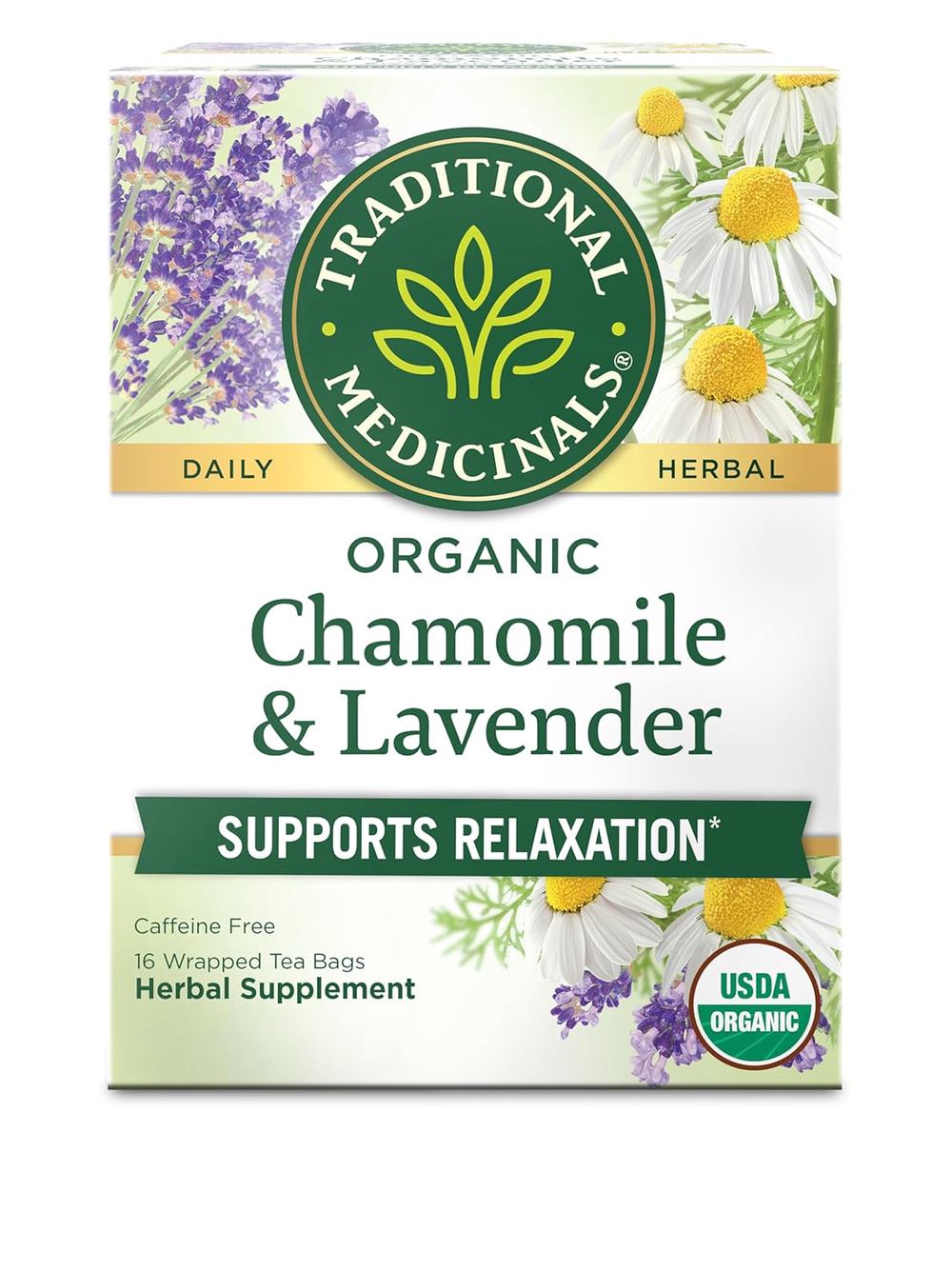
- Rethink your nightcap. If you enjoy a drink, have it with dinner or earlier in the evening, not right before bed. Consider winding down with a caffeine-free herbal tea, like chamomile or lavender, which supports relaxation without disrupting sleep cycles.
The goal isn’t perfection, but awareness. By noticing which of these common habits has become part of your routine, you can begin to experiment with alternatives. Your evenings have the potential to be a powerful tool for resetting your nervous system—it’s simply a matter of clearing away the obstacles to let that natural recovery process happen.