Age spots, those flat, brown patches that appear on sun-exposed skin, are a common sign of accumulated sun exposure. While they are harmless, many people seek gentle ways to address their appearance. Beyond topical treatments and sun protection, emerging research points to the power of what we eat in supporting our skin’s natural defenses and repair processes. Certain foods contain compounds that can help manage the oxidative stress and inflammation that contribute to hyperpigmentation.
Dietitians emphasize that no single food is a magic eraser. Instead, a consistent, nutrient-rich dietary pattern creates the internal environment where skin can better cope with environmental damage. Two categories of foods, in particular, stand out for their concentrated levels of specific, skin-supportive nutrients that may help fade the look of age spots over time.
How Diet Influences Skin Pigmentation
To understand how food can help, it helps to know what causes age spots. They result from an overproduction of melanin, the pigment that gives skin its color. Ultraviolet (UV) radiation from the sun triggers this overproduction, but the process is fueled by free radicals—unstable molecules that cause oxidative stress and inflammation in skin cells.
This is where diet plays a crucial role. Antioxidants are molecules that neutralize free radicals, while anti-inflammatory compounds help calm the skin. By regularly consuming foods rich in these substances, you provide your skin with the raw materials it needs to protect itself and repair existing damage from the inside out. The goal isn’t a quick fix, but a sustained, supportive approach to skin health.
The First Key Food: Vibrant, Leafy Greens
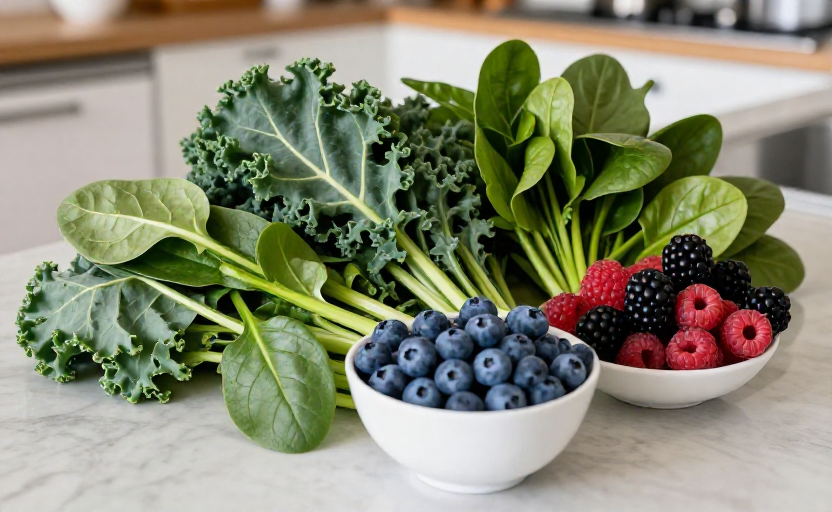
Dietitians consistently point to dark, leafy greens like spinach, kale, Swiss chard, and collard greens as foundational for skin health. Their power lies in a dense cocktail of pigments and vitamins.
These greens are exceptionally high in lutein and zeaxanthin, carotenoids known for supporting eye health. Research suggests these same compounds act as internal sunscreen for the skin. They accumulate in the skin and help filter high-energy blue light, a component of sunlight that contributes to oxidative stress and pigmentation. A diet rich in these greens essentially helps your skin build a subtle, protective layer.
Think of leafy greens as daily, edible sun protection that works from within.
Furthermore, they are packed with vitamin C, a critical nutrient for collagen synthesis and a potent antioxidant that can interfere with the enzyme (tyrosinase) responsible for melanin production. Vitamin C also helps recycle other antioxidants, like vitamin E, making your skin’s defense network more efficient.
How to Incorporate More Leafy Greens
- Blend a large handful of spinach or kale into your morning smoothie.
- Sauté greens with garlic as a simple side dish.
- Use sturdy greens like kale as a base for salads, massaging them with a little oil to soften their texture.
- Add chopped greens to soups, stews, and omelets during the last few minutes of cooking.
The Second Key Food: Brightly Colored Berries
The second category centers on deeply pigmented berries—think blueberries, blackberries, raspberries, and strawberries. Their intense blue, purple, and red colors come from anthocyanins, a type of flavonoid with remarkable antioxidant and anti-inflammatory properties.
Anthocyanins help protect skin cells from UV-induced damage by scavenging free radicals before they can trigger inflammation and melanin overproduction. Studies indicate that these compounds may also help strengthen the skin’s structural proteins, like collagen, leading to a more resilient complexion that’s better equipped to handle environmental stress.
Berries are also another excellent source of vitamin C, creating a synergistic effect. The combination of anthocyanins and vitamin C provides a broad-spectrum antioxidant defense, tackling oxidative stress through multiple pathways.
Making Berries a Daily Habit
- Keep a bowl of mixed berries on your counter as an easy snack.
- Top your morning oatmeal, yogurt, or whole-grain pancakes with a generous serving.
- Blend frozen berries into a refreshing sorbet or smoothie.
- Toss a handful into a green salad for a sweet and tart contrast.
Building a Skin-Supportive Plate
While leafy greens and berries are stars, they work best as part of a colorful, whole-foods diet. Other allies in fading the appearance of age spots include:
- Tomatoes and Watermelon: Rich in lycopene, a carotenoid that studies show can improve the skin’s natural SPF.
- Green Tea: Contains EGCG, a polyphenol with documented anti-inflammatory and antioxidant effects on skin.
- Fatty Fish: Salmon, mackerel, and sardines provide omega-3 fatty acids, which help manage inflammation systemically.
- Nuts and Seeds: Almonds and sunflower seeds are top sources of vitamin E, which works in tandem with vitamin C to protect skin cells.
The consistent theme is color and whole-food integrity. A plate filled with a variety of plant-based colors delivers a wide array of phytonutrients that support skin health from multiple angles.
What to Limit for Clearer Skin
Just as some foods help, others may hinder. A diet high in refined sugars and processed carbohydrates can lead to spikes in blood sugar and insulin. This process, known as glycation, can damage collagen and elastin and may exacerbate inflammation, potentially worsening skin tone issues. Moderating intake of sugary drinks, pastries, and white bread can be as important as adding the beneficial foods.
Patience and consistency are key. Dietary changes support skin health over months, not days.
It’s also essential to pair this nutritional approach with diligent sun protection—wearing a broad-spectrum SPF 30+ daily is non-negotiable. Topical vitamin C serums and retinoids can be effective partners, working on the surface while your diet supports from within. For persistent or changing spots, always consult a dermatologist to rule out other conditions.
Ultimately, fading the appearance of age spots is about supporting your skin’s long-term health. By making leafy greens and berries regular features on your menu, you’re not just eating for today’s meal—you’re nourishing your skin’s future resilience.