

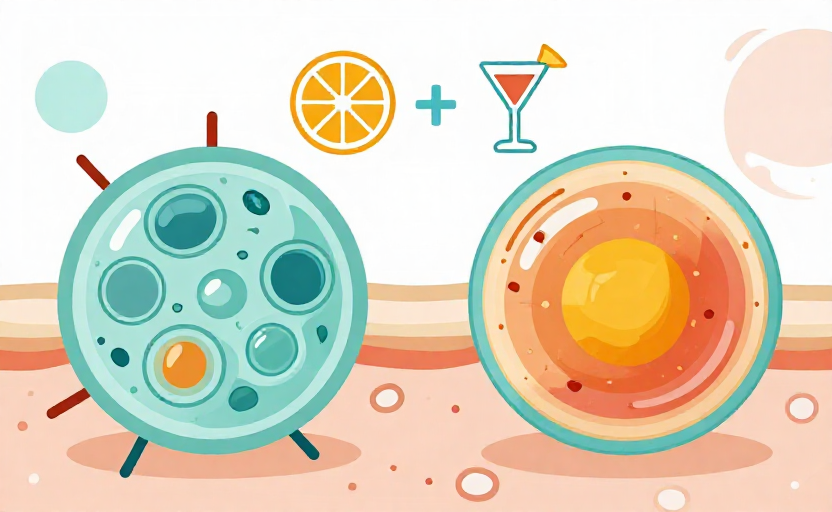
We spend a lot of time thinking about what we put on our skin to protect it from the sun. Sunscreen, hats, and seeking shade are all part of the daily defense. But what about what we put in our bodies? Emerging research suggests that our dietary choices, particularly certain beverages, can influence our skin’s resilience to sun damage and its tendency to develop hyperpigmentation like sun spots. It’s a conversation less about causing sunburn and more about internal factors that may make our skin more vulnerable to the long-term, photoaging effects of UV exposure.
This isn’t about fear-mongering or eliminating your favorite drinks. It’s about understanding the connection and making informed choices, especially on days of high sun exposure. The science points to two primary categories of drinks that may exacerbate sun-related skin issues: those high in certain photosensitizing compounds and those that contribute to a process called glycation.
How Drinks Can Affect Your Skin from the Inside
Before we get to the specific drinks, it helps to understand the mechanisms at play. Sun spots, or solar lentigines, are darkened patches caused by an overproduction of melanin, often triggered by years of sun exposure. Premature aging from the sun—called photoaging—includes wrinkles, loss of elasticity, and texture changes.
Certain dietary components can influence these processes in two key ways. Some contain natural chemicals that can make skin temporarily more sensitive to UV light, a property known as photosensitization. Others can contribute to the formation of advanced glycation end products (AGEs), which damage collagen and elastin, the proteins that keep skin firm and smooth. When combined with UV exposure, these internal processes can work against your external sun protection efforts.
The Citrus Juice Consideration
This one often comes as a surprise. Fresh-squeezed orange juice or a grapefruit at breakfast feel like healthy choices. For most people, they are. However, citrus juices—particularly from grapefruit, lime, and to a lesser extent, orange—contain compounds called furanocoumarins, most notably psoralen.
Psoralens are phototoxic. When present in the skin and exposed to UVA light, they can increase the rate of cell damage and melanin production. This is the same principle used in controlled medical phototherapy (PUVA) for skin conditions, but in a dietary context, the effect is unintended and unpredictable.
The key factor here is timing and quantity. Consuming large amounts of these juices, especially just before going out in strong sun, may temporarily increase your skin’s sensitivity.
It doesn’t mean you need to avoid your morning OJ. It does suggest being mindful. If you’re planning a beach day or extended outdoor activity, you might choose to enjoy your citrus drink in the evening instead. For daily life, simply being aware allows you to ensure your topical sunscreen use is consistent and thorough, which is your primary defense.
The Alcohol and Skin Aging Connection
The relationship between alcohol and skin aging is more indirect but well-substantiated. Regular, heavy consumption of alcoholic drinks is linked to several processes that accelerate visible aging and can worsen pigmentation issues.
First, alcohol is dehydrating. It depletes fluids from your entire body, including your skin, leaving it more prone to dryness and less resilient. Dehydrated skin can show fine lines more prominently and may not recover as well from environmental stress.
More significantly, alcohol metabolism generates free radicals, leading to oxidative stress. This stress damages skin cells and breaks down collagen. Furthermore, alcohol can impair your body’s stores of antioxidants like vitamins A, C, and E, which are crucial for fighting daily UV-induced free radicals.
Perhaps the most relevant mechanism for sun spots is alcohol’s impact on inflammation. It can increase systemic inflammation, which is a known trigger for melanin production. Chronic inflammation, combined with sun exposure, may create an internal environment where hyperpigmentation is more likely to occur and persist.
A Note on Sugary Mixers
The alcohol itself is the main concern, but it’s worth mentioning what it’s often mixed with. Sugary sodas, syrups, and pre-made mixers add another layer of risk. High sugar intake is a primary driver of glycation, where sugar molecules bind to and degrade collagen and elastin, leading to stiff, wrinkled skin—a process dramatically accelerated by UV exposure.
What This Means for Your Routine
Knowledge is power, not a mandate for deprivation. The goal isn’t to live in fear of a glass of lemonade or a cocktail at a wedding. It’s about strategic awareness.
- Context is key. The potential impact of these drinks is greatest with frequent, high-quantity consumption coupled with significant, unprotected sun exposure. An occasional drink is unlikely to be the sole cause of sun spots.
- Sun protection is non-negotiable. This information reinforces the critical importance of daily broad-spectrum sunscreen, protective clothing, and seeking shade. Your topical defense is your strongest, most direct tool.
- Balance with skin-supportive nutrients. For every drink that might pose a challenge, there are foods and beverages that support skin health. Staying hydrated with water, and consuming antioxidants from berries, leafy greens, and green tea can help fortify your skin’s defenses from within.
Think of it as a holistic approach. You’re managing external exposure while being mindful of internal factors that can either support or stress your skin. It’s a long-term strategy for skin health, not a quick fix.
Frequently Asked Questions
Real questions from readers trying to navigate this information often focus on practicality and degree of risk.








