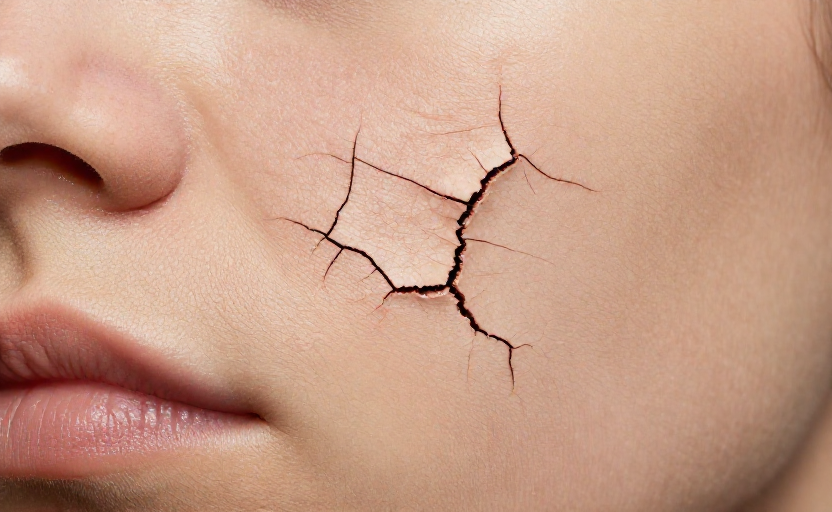
Your skin barrier is a silent guardian. This outermost layer, the stratum corneum, is a delicate but resilient shield of skin cells and lipids that locks in moisture and keeps irritants, pollutants, and microbes out. When it's strong, your skin feels supple, calm, and resilient. When it's compromised, the signs are unmistakable: dryness, redness, sensitivity, flakiness, and a feeling of tightness.
We often focus on what to add to our routines to fix these issues—serums, creams, and treatments. But sometimes, the most powerful step is to identify and stop what we’re inadvertently taking away. Two common daily habits, often performed with good intentions, can systematically weaken this essential protective layer.
Habit 1: Over-Cleansing and Using Harsh Surfactants
The desire to feel "squeaky clean" can be the very thing that undermines your skin's health. Cleansing is meant to remove excess oil, sweat, and impurities, not to strip the skin bare. Your skin barrier relies on a natural blend of oils (sebum) and lipids to maintain its integrity. Aggressive cleansing disrupts this balance.
Signs you might be over-cleansing include a tight, "squeaky" feeling immediately after washing, increased dryness or oiliness shortly after, and heightened sensitivity. The culprits are often cleansers formulated with harsh surfactants, like some traditional soaps and high-foaming washes. These ingredients are excellent at cutting through grease, but they don't discriminate—they wash away your skin’s beneficial natural oils right along with the dirt.
Think of cleansing as a gentle reset, not a deep strip. Your face shouldn't feel taut or parched after washing.
This constant depletion gives the barrier no time to recover. Without its lipid seal, moisture escapes easily (transepidermal water loss increases), and the pathway for irritants opens up. The result is a vulnerable, reactive state where even previously tolerated products can begin to sting or cause redness.
Habit 2: Physical Over-Exfoliation
Exfoliation promises smoother, brighter skin by sloughing off dead surface cells. In moderation, it’s beneficial. The problem arises in the pursuit of instant results—scrubbing too hard, too often, or with overly abrasive tools.
This habit is a direct physical assault on the stratum corneum. Using rough washcloths, stiff bristle brushes, or gritty scrubs with large, irregular particles creates micro-tears in the skin's surface. These tears compromise the barrier's structure, much like weathering wears down a stone wall.
Beyond tools, frequency is key. Even gentle physical exfoliation performed daily doesn't allow the skin's natural renewal cycle to complete. You're essentially removing cells before the new, healthy layer beneath has fully matured and fortified itself. This leaves immature, vulnerable skin cells exposed, which are ill-equipped to perform their protective duties.
The Compounding Effect
These two habits are particularly damaging when combined. A routine that involves a harsh, stripping cleanser followed by vigorous scrubbing essentially attacks the skin barrier from two angles—chemically and physically. It’s a recipe for chronic irritation, dehydration, and a prolonged repair process.
How to Cultivate Barrier-Supportive Habits
Shifting away from these weakening habits doesn't mean abandoning cleanliness or exfoliation. It means adopting a more mindful, gentle approach.
For cleansing, look for gentle, low-foaming formulas often described as "milky," "cream," or "balm." Ingredients like ceramides, glycerin, and mild surfactants (e.g., coco-glucoside) clean effectively without compromising the lipid layer. Wash with lukewarm water, not hot, and pat your skin dry instead of rubbing.
Regarding exfoliation, consider switching to chemical exfoliants (like AHAs or BHAs) used sparingly—once or twice a week is often sufficient. If you prefer physical exfoliation, choose tools with extreme care: a very soft konjac sponge or a formula with fine, round jojoba beads. The motion should be light, circular, and brief. Listen to your skin; any stinging or redness is a signal to stop.
Supporting Your Barrier's Recovery
If you suspect your barrier is compromised, a period of simplified, reparative care can help. This often involves temporarily pausing active treatments (like retinoids or strong acids) and focusing on hydration and repair.
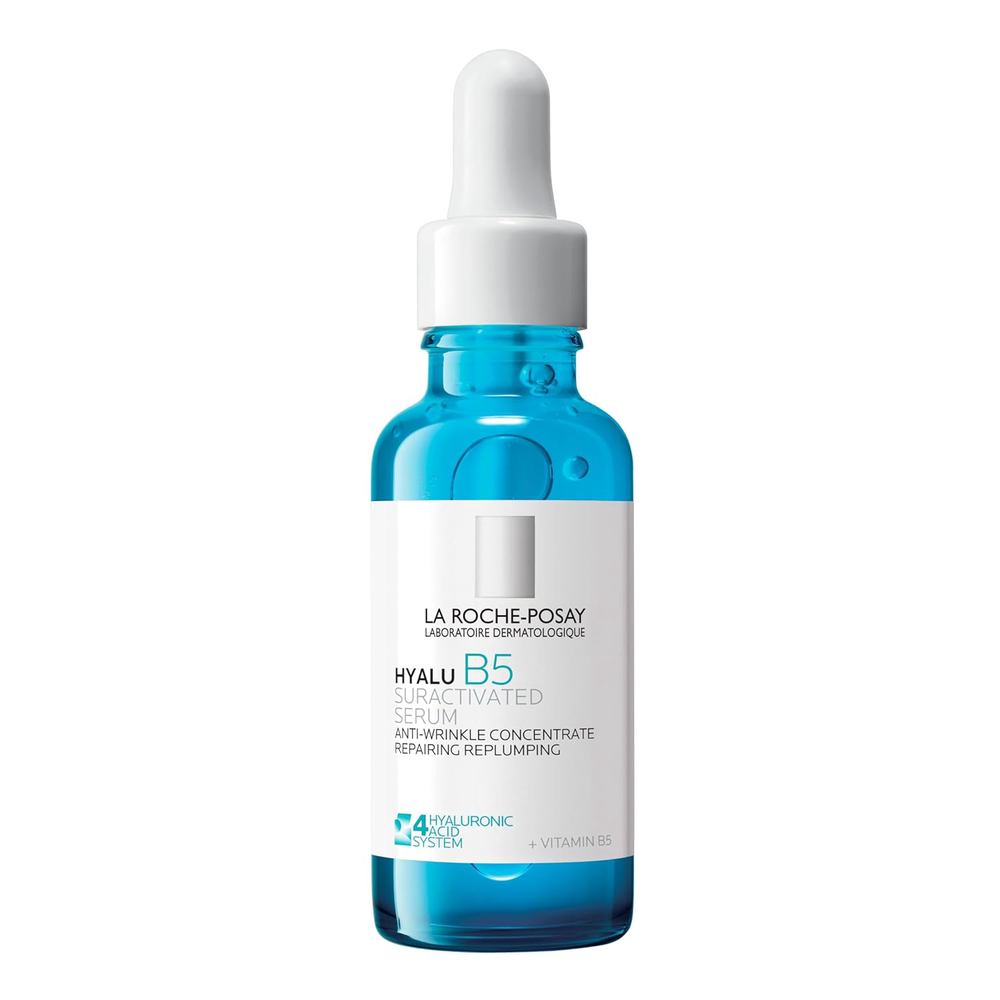
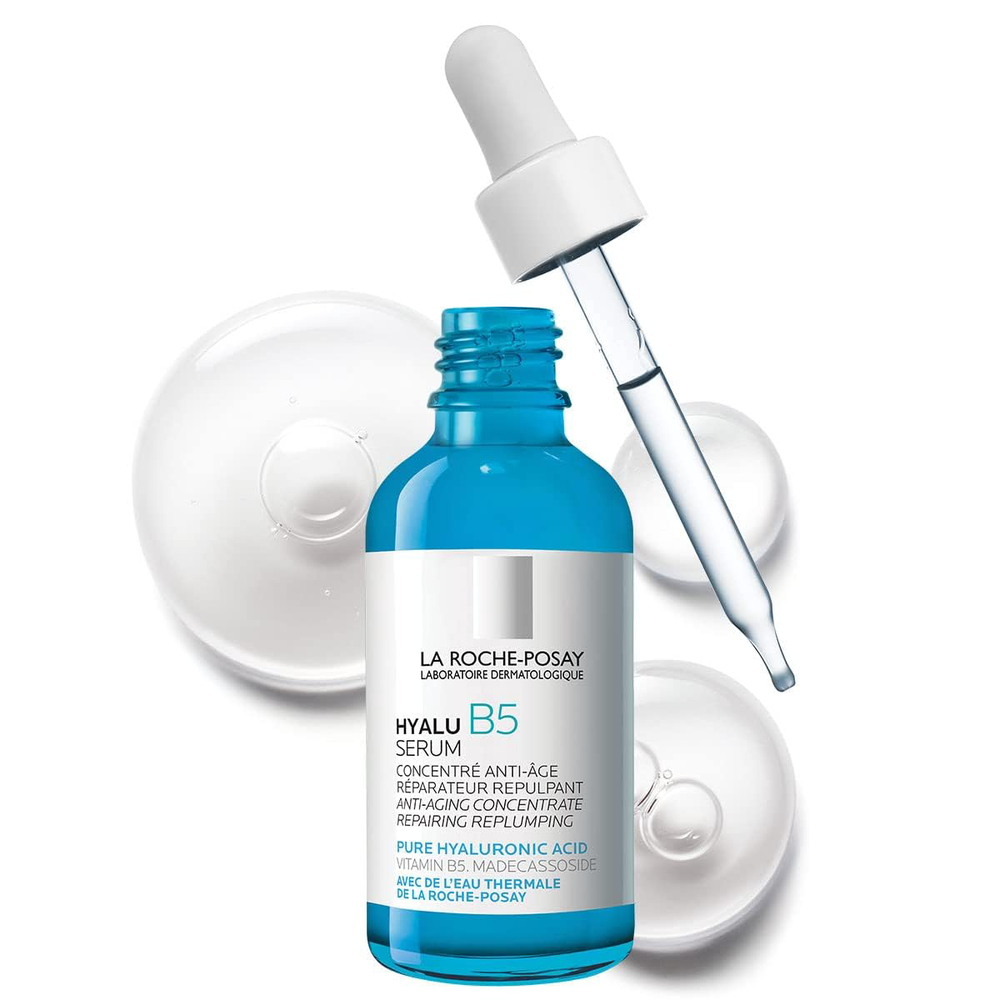
- Hydrate: Use a simple hyaluronic acid serum on damp skin to pull moisture in.
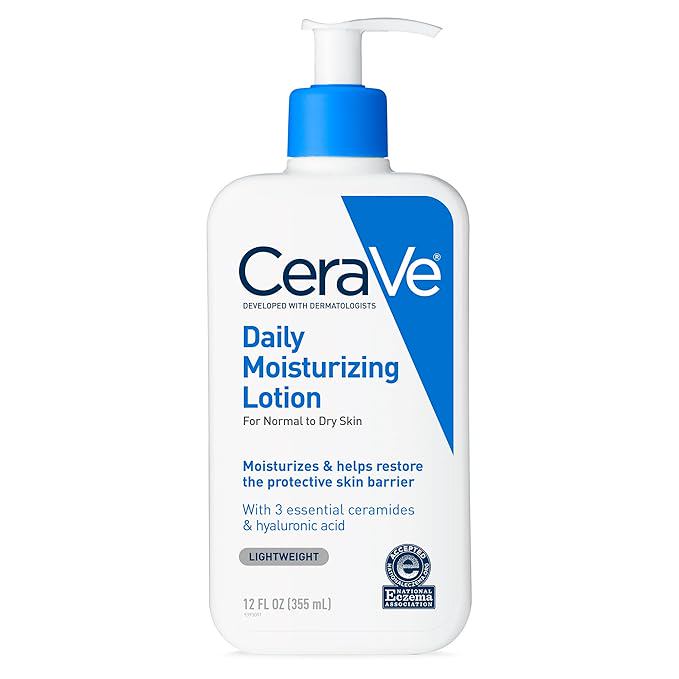
- Repair: Look for moisturizers containing barrier-replenishing ingredients like ceramides, cholesterol, and fatty acids, which mimic and support your skin's natural structure.
- Protect: A broad-spectrum sunscreen is non-negotiable. A weakened barrier is more susceptible to UV damage, which can further impair its function and lead to longer-term issues.
Remember, your skin barrier is dynamic and wants to heal. By replacing these two common weakening habits with gentler alternatives, you create the stable environment it needs to rebuild its strength, restoring your skin's natural calm and resilience.