We often think of fine lines as an inevitable part of aging, a result of time passing and genetics at play. While that’s true, our daily routines—the small, repeated actions we barely think about—can quietly accelerate their appearance. It’s not just about what you don’t do, like skipping sunscreen, but about what you do every single day, often with the best intentions.
Understanding these subtle habits can be the difference between skin that ages gracefully and skin that shows premature wear. Let’s look at two common daily patterns that might be undermining your skin’s smoothness without you even realizing it.
The Sleep Position That Tells on Your Face
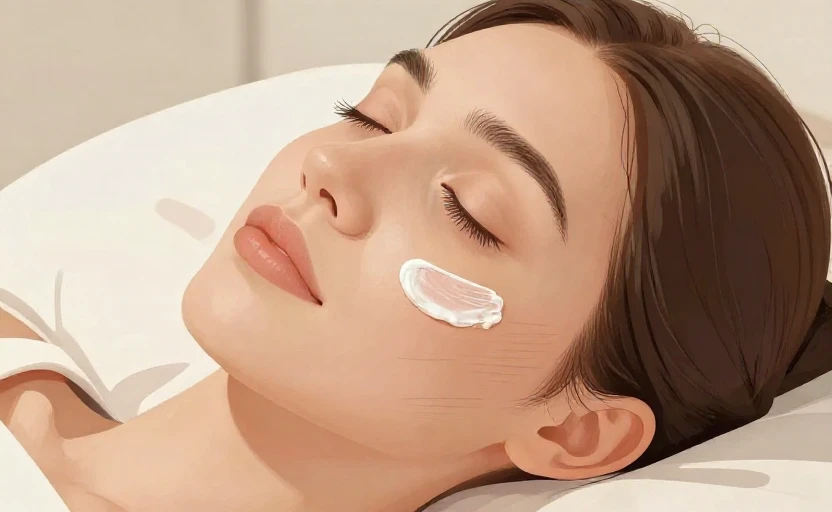
You invest in a good pillow for neck support, but have you ever considered what your favorite sleep position is doing to your face? Sleeping with your face pressed into the pillow, night after night, creates persistent compression and shear forces on your skin. This isn't a one-time event; it's a nightly ritual of folding and creasing the same delicate areas.
Over time, this repeated mechanical stress can break down collagen and elastin—the very fibers that keep skin plump and resilient—in those specific contact zones. The result is what dermatologists call "sleep lines." Unlike the dynamic expression lines that form from smiling or squinting, these are often deeper, more linear creases that run vertically on the cheeks or horizontally on the forehead and décolletage, mirroring the folds in your bedding.
Think of it like repeatedly folding a piece of paper along the same line. Eventually, the crease becomes permanent.
If you consistently wake up with faint pillow marks on your face that take a while to fade, you’re seeing a preview of what could become a more fixed feature. The side or stomach sleeping positions are the usual culprits, as they maximize skin contact with the pillow surface.
What You Can Try Instead
The gold-standard recommendation is to train yourself to sleep on your back. This position eliminates facial compression entirely and also helps with fluid drainage, potentially reducing morning puffiness. If that feels impossible, consider these adjustments:
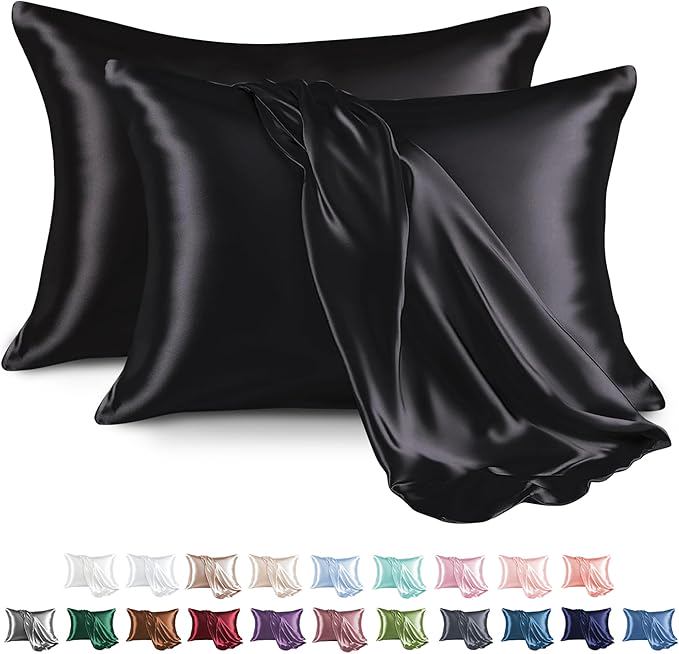
- Switch to a smoother, silk or satin pillowcase. These materials create less friction and drag against the skin than traditional cotton, allowing your face to glide more easily as you move.
- Be mindful of your pillow's loft. A very thick pillow can crank your neck and create more pronounced cheek compression. A flatter pillow or a specially designed contour pillow may reduce the angle of contact.
- Practice starting on your back. Even if you shift later in the night, reducing the initial hours of side-sleeping can make a difference.
The Dehydrating Double-Cleansing Trap
In the pursuit of perfectly clean skin, especially after wearing sunscreen or makeup, the double-cleansing method has become a wellness staple. The concept is sound: first, an oil-based cleanser to dissolve oil-based impurities, followed by a water-based cleanser to remove sweat and residue. Done correctly, it’s effective. But in daily practice, this routine can easily tip into territory that compromises your skin barrier.
The danger lies in over-cleansing—the combination of aggressive cleansing oils, foaming washes, hot water, and vigorous rubbing. Each step on its own might be fine, but together they can strip the skin of its essential lipids and natural moisturizing factors. This disrupts the skin’s protective barrier, leading to something called transepidermal water loss. In simple terms, water evaporates from your skin more easily.
When skin is chronically dehydrated, it loses plumpness. This deflated state makes every existing fine line look more pronounced, etched more deeply into the surface. It’s like looking at a dry riverbed versus a full stream; the cracks and crevices are far more visible.
Finding a Gentler Balance
The goal is cleanliness without squeakiness. That tight, "squeaky-clean" feeling is actually a sign that you’ve removed too much of your skin’s natural oil.
- Re-evaluate your first cleanser. Opt for a gentle cleansing balm or milk over a heavy mineral oil if your skin feels tight. Massage it in gently with dry hands on dry skin for about 30 seconds, then emulsify with lukewarm water.
- Choose a second cleanser wisely. Look for a non-foaming, cream or lotion-based formula, or a gentle foaming wash labeled "pH-balanced" or "hydrating." Avoid anything with harsh sulfates that create a thick lather.
- Make it a single cleanse when you can. On mornings or days you wore no makeup or heavy sunscreen, a single, gentle cleanse is perfectly sufficient. Listen to your skin’s needs instead of following a rigid protocol.
- Pat, don't rub. After rinsing, gently pat your face dry with a clean, soft towel. Rubbing creates friction and can further irritate a vulnerable barrier.
These habits aren't "bad" in a moral sense—they're often just unconscious patterns. The point isn't to create a new source of sleep or skincare anxiety, but to bring awareness. Small, sustainable shifts in these daily rituals can support your skin’s long-term health and resilience, helping to keep fine lines exactly where they should be: as subtle signs of a life well-lived, not prematurely deepened by our routines.