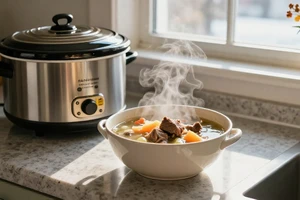
Batch-cooking soups in a slow cooker feels like a life hack, especially during the colder months. You load up the pot, let it simmer for hours, and suddenly you have lunches and dinners ready for days. But there is one mistake that can undo all that convenience — and it's surprisingly common.
The error has less to do with what you put in the pot and more with how you handle the soup once it's done. Many home cooks let the finished soup cool down right in the slow cooker insert, then place the whole thing in the refrigerator. At first glance, this seems efficient. In practice, it creates a food-safety issue that can spoil your entire batch or leave you with a texture that falls flat by midweek.
Why cooling soup in the slow cooker is risky
A slow cooker retains heat exceptionally well. Even after you turn it off, the ceramic or metal insert stays warm for a long time. When you place a large volume of hot soup directly into the fridge, the center of the pot can remain in the temperature danger zone — between 40°F and 140°F — for hours. Bacteria multiply rapidly in that range, and the thicker or denser the soup, the longer it takes to cool down.
Food safety guidelines from organizations like the USDA recommend cooling hot foods from 135°F to 70°F within two hours, then down to 41°F within four more hours. A heavy pot of chili or chowder chilled while still in the slow cooker insert often fails that timeline, especially if the fridge is crowded or the lid stays on.
A batch of soup that stays warm too long in the fridge can lose its texture, develop off-flavors, and become unsafe to eat.
The right way to cool and store slow-cooked soups
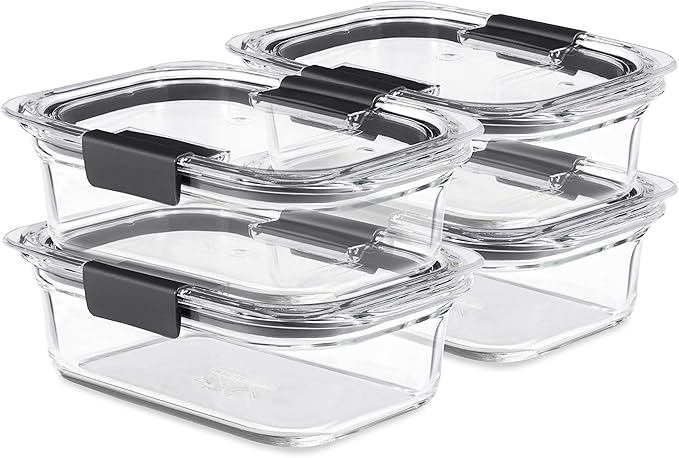
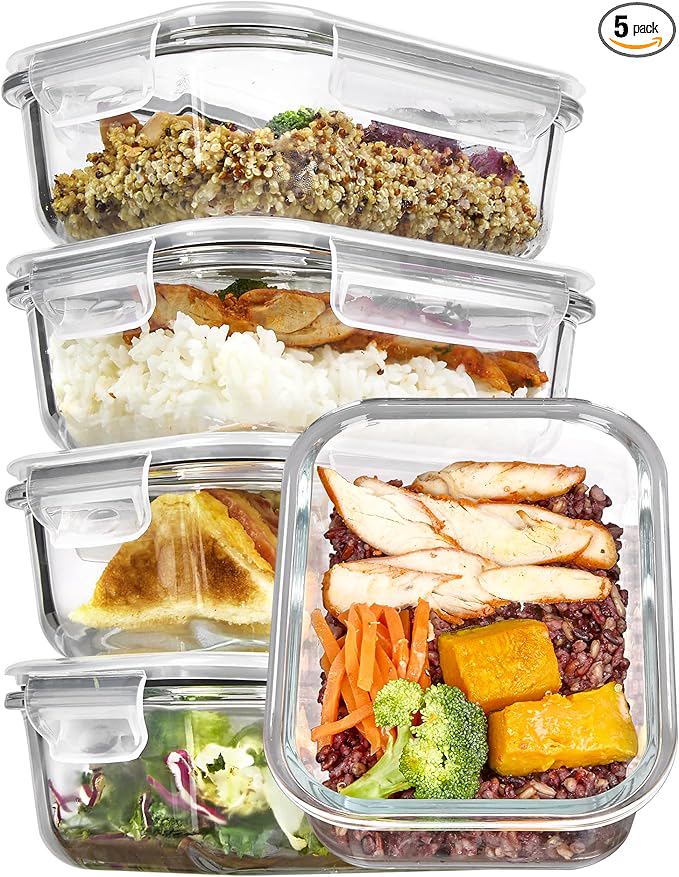
The fix is straightforward. Once your soup is done cooking, ladle it into shallow, wide containers — stainless steel or glass work well. Shallow containers allow heat to dissipate quickly. Aim for a depth of about two inches. If you don't have multiple shallow containers, divide the soup into smaller portions instead of keeping it in one giant pot.
Place the containers uncovered in the refrigerator until the soup cools below 40°F, which usually takes an hour or two depending on the batch size. Only then should you cover them with lids. If you are short on fridge space, an ice bath works: set the container of soup into a larger bowl filled with ice water and stir occasionally to speed up cooling before refrigerating.
How this affects texture and flavor over the week
Slow cooling doesn't just raise safety concerns — it also degrades the eating experience. Vegetables like carrots, celery, and potatoes continue to cook from residual heat, turning mushy by day three. Pasta or noodles absorb extra liquid and become bloated. Cream-based soups may separate or develop a grainy mouthfeel.
If you store the soup while it's still too warm, the steam trapped under the lid condenses and waters down the broth. That rich, slow-simmered flavor gets diluted. By the time you reheat a bowl on Thursday, it tastes noticeably thinner and less vibrant than it did on Sunday.
Practical tips for better batch-cooking results
Small changes in your post-cooking routine make a big difference over the course of a week. Here are a few that home cooks find reliable:
- Cool before refrigerating. Let the soup sit on the counter for 20–30 minutes, stirring occasionally, before transferring to shallow containers. Don't leave it out longer than that.
- Skip the lid during the first hour of refrigeration. Warm air needs to escape. Covering a hot container traps heat and extends the cooling time.
- Separate delicate ingredients. If you plan to add pasta, rice, or dumplings, cook them separately and add them to individual servings when reheating. This keeps them from turning to mush.
- Label and date. It sounds basic, but it's easy to forget which container holds the minestrone and which holds the lentil soup after two days. Use a marker and masking tape.
- Reheat only what you will eat. Repeatedly warming and cooling the entire batch stresses both safety and texture. Spoon out a serving and reheat that.
What about freezer storage?
If you make a large batch with the intention of freezing part of it, the same cooling rules apply. Never put a warm slow cooker insert or a hot container directly into the freezer. The sudden temperature shift can crack some glass containers, and the warm center of the soup will cool so slowly that bacteria have time to multiply before the contents freeze solid.
Portion soup into freezer-safe bags or containers, leave an inch of headroom for expansion, and cool completely in the refrigerator before moving to the freezer. Soups with high water content — like broth-based vegetable soups — freeze well. Cream-based soups may separate upon thawing but can be whisked back together during reheating.
The bigger picture: making batch cooking work for you
Slow cooker soups are a fantastic tool for busy weeks, but the convenience only holds up if you handle the food properly after it's cooked. The most common mistake isn't about the recipe — it's about assuming the work ends when the timer beeps. That final step of cooling and storing correctly is just as important as browning the aromatics or getting the seasoning right.
Take the extra ten minutes to portion and chill your soup the right way. Your taste buds — and your digestive system — will thank you by the end of the week.



![[10-Pack] Glass Meal Prep Containers with Lids, MCIRCO Food Storage Containers with Snap Locking Lids, Airtight Lunch Containers, Microwave, Oven, Freezer and Dishwasher](https://www.glowtheorylab.com/uploads/ad202604/141a61456fdd8860.webp)