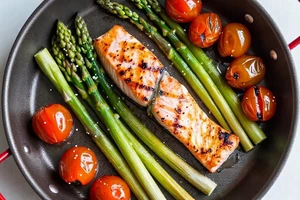
Meal-prepping low-carb lunches sounds straightforward: cook a batch of protein, chop some vegetables, and portion it all out for the week. But there's one mistake that can derail your efforts before you even take the first bite—and it's far more common than you might think.
The issue isn't the vegetables you choose or the amount of protein you pack. It's what happens when you neglect the very foundation of a good low-carb lunch: proper hydration and the balance of electrolytes. When you cut carbohydrates, your body flushes out more water and sodium, which can lead to fatigue, brain fog, and even headaches. If your meal-prepped lunches don't account for this shift, you might find yourself feeling worse, not better.
Why low-carb meal prep often misses the mark
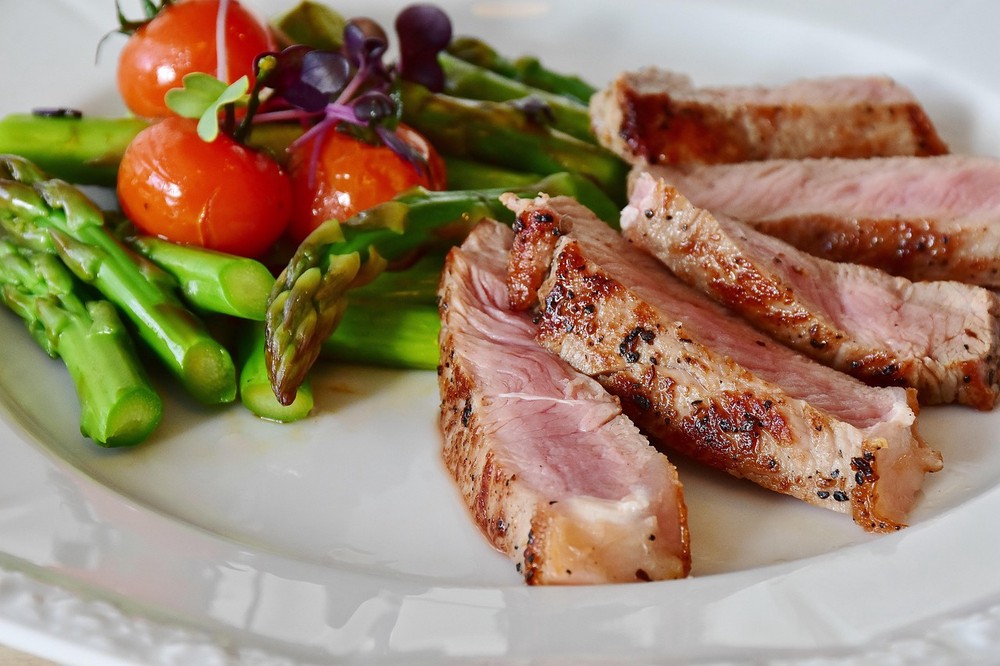
Many people focus solely on what to remove—bread, pasta, rice—without thinking about what to add to maintain energy. The result? A plate of dry chicken breast and steamed broccoli that leaves you sluggish by mid-afternoon. The missing piece is often a broth-based soup or a well-seasoned sauce that delivers both fluids and essential minerals.
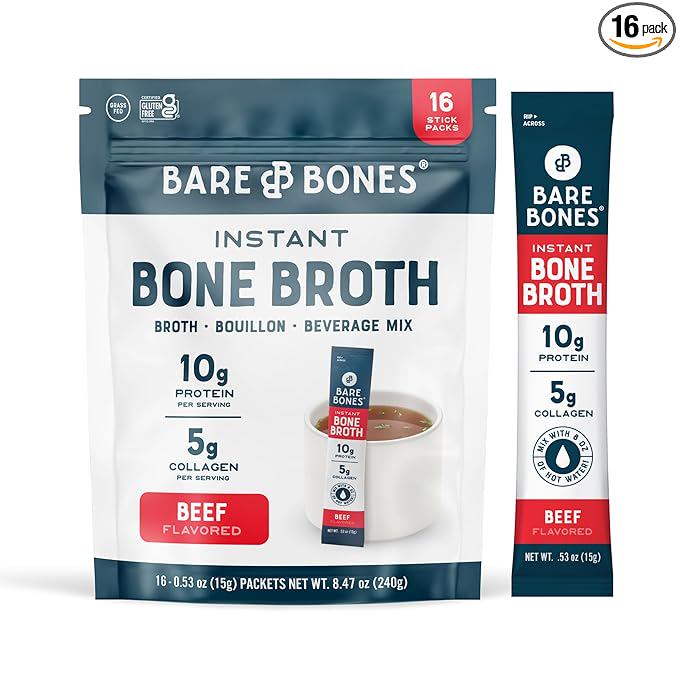
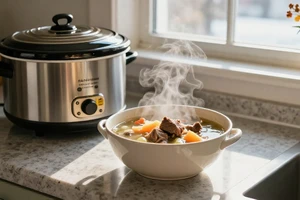
A simple fix: Include a small thermos of bone broth, miso soup, or a spiced lentil soup with your lunch. It rehydrates, replenishes sodium, and makes the meal feel complete.
How to build a better low-carb lunch
Think of your lunch as three components: a protein source, non-starchy vegetables, and a flavorful, hydrating element. That third piece is where most people stumble. A dry salad or a plain protein bowl won't cut it for sustained energy.
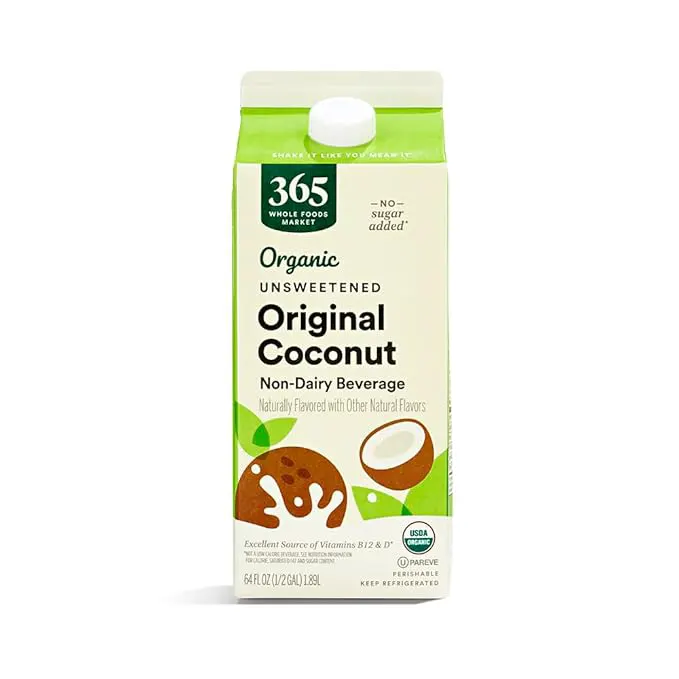
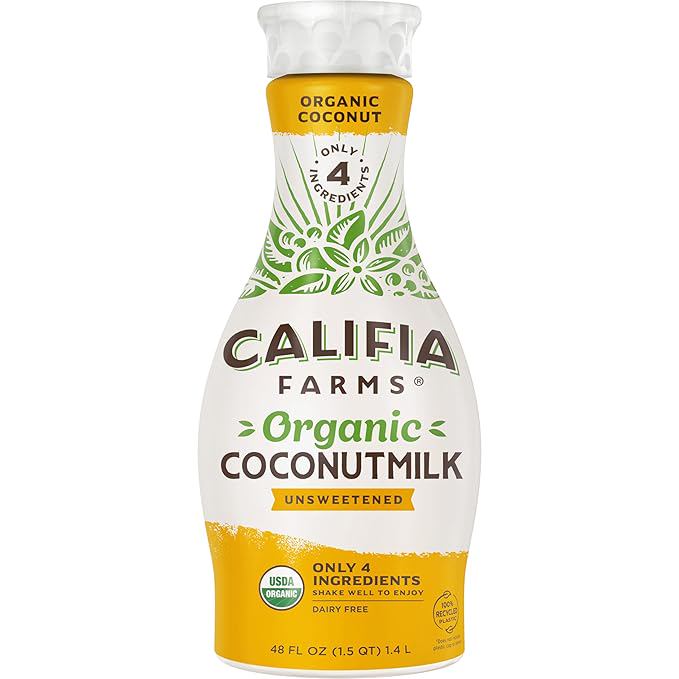
- Choose a mineral-rich broth. Soups made with ginger, turmeric, garlic, and a pinch of salt provide electrolytes and anti-inflammatory benefits. Try an amla soup (Indian gooseberry) or a simple garlic carrot soup with coconut milk.
- Don't skip the spices. Cumin, black pepper, and coriander do more than add flavor—they aid digestion and help your body absorb nutrients more effectively.
- Add a fat source. A drizzle of olive oil, a spoonful of ghee, or a handful of nuts keeps you full and supports nutrient absorption for fat-soluble vitamins in your vegetables.
The soup strategy that works
If you're meal-prepping on a Sunday, consider making a double batch of one hearty soup that doubles as your lunch's hydrating component. It doesn't need to be complicated. A horse gram soup, for example, is rich in protein and fiber, and it's known to help with insulin sensitivity—a bonus for anyone managing blood sugar levels. Or try drumstick leaf soup, which packs calcium, vitamin C, and iron into a warming bowl.
Garlic carrot soup: a low-carb-friendly option
This soup is especially forgiving for meal prep. Sauté onions and garlic in ghee, add chopped carrots, vegetable broth, and a pinch of turmeric. Once the carrots are tender, blend until smooth, then stir in coconut milk and a squeeze of lemon. Portion it into jars, and reheat when ready. The natural sweetness of the carrot balances the savory spices, and the coconut milk adds creaminess without dairy.
What about electrolyte balance?
When you reduce carbs, your kidneys excrete more sodium and water. This is why many people experience the "low-carb flu" during the first week. The solution isn't to quit—it's to ensure your meal-prepped lunches include enough salt and fluids. A well-seasoned soup or broth can provide up to 500 mg of sodium per serving, which is often exactly what your body needs to feel normal.
Pro tip: Add a pinch of sea salt or a squeeze of lemon to your lunch water or tea. Small adjustments make a big difference in how you feel.
The final piece: make it easy to eat
The best low-carb lunch is the one you'll actually eat. If your meal prep involves reheating dry chicken and cold vegetables, you're far more likely to order takeout or snack on something less healthy. A warm, aromatic soup changes the game. It signals to your brain that you're having a real meal, not just a chore.
So the next time you plan your low-carb lunches, don't just think about what to exclude. Think about what to include: hydration, electrolytes, and flavor. That's the difference between a lunch that fuels you and one that leaves you counting the minutes until dinner.