You notice them one day, seemingly out of nowhere: flat, brownish patches on your skin, most often on the face, hands, shoulders, or arms. They’re not raised or painful, but they’re there—a subtle map of past sunny days. These are sun spots, medically known as solar lentigines, and while they are a common sign of skin that has spent time in the sun, they can be a source of cosmetic concern for many.
Understanding what they are, why they appear, and what you can safely do about them at home is the first step toward feeling more confident in your skin. This guide walks through the practical, everyday knowledge you need, focusing on gentle, evidence-informed approaches that support your skin’s health.
What Exactly Are Sun Spots?
Sun spots are areas of increased pigmentation. They occur when the sun’s ultraviolet (UV) radiation triggers a surge in melanin production in certain patches of skin. Melanin is the pigment that gives our skin, hair, and eyes their color, and it acts as the skin’s natural sunscreen. Over decades of sun exposure, this process can become uneven, leading to these concentrated, freckle-like spots.
It’s crucial to distinguish them from other skin marks. Unlike moles, sun spots are flat and don’t have a defined, raised border. They differ from freckles, which are often genetic and can fade in winter, while sun spots tend to persist year-round once they appear. Most importantly, sun spots themselves are benign. However, any new, changing, or unusual spot should be evaluated by a dermatologist to rule out skin cancer. A simple rule of thumb: if a spot is asymmetrical, has an irregular border, changes color, grows in diameter, or evolves in any way, it’s time for a professional check.
Why Do We Get Them? The Main Culprits
The primary cause is cumulative, unprotected exposure to ultraviolet radiation, both from the sun and artificial sources like tanning beds. This exposure accelerates the natural aging process of the skin, which dermatologists call photoaging.
Think of your skin’s melanocytes—the cells that produce melanin—as diligent workers. With repeated UV exposure, they can become overactive in certain areas, depositing more pigment than the surrounding skin. This isn’t a reaction that happens overnight; it’s the result of exposure over many years. Your skin type plays a role, too. People with lighter skin are generally more susceptible to sun damage and, consequently, sun spots, but they can appear on all skin tones.
The most effective remedy for sun spots is the one that prevents them in the first place: consistent, daily sun protection.
Gentle Home Approaches for Sun Spot Care
While professional treatments like laser therapy and chemical peels exist, many people first look to gentler, at-home methods to help fade the appearance of existing spots and improve overall skin tone. Patience and consistency are key here; these approaches work gradually by supporting your skin’s natural renewal process.
Topical Antioxidants and Brighteners
Several naturally derived and over-the-counter ingredients have research supporting their role in managing hyperpigmentation. They work by inhibiting the enzyme (tyrosinase) that stimulates melanin production or by encouraging a more even shedding of pigmented skin cells.
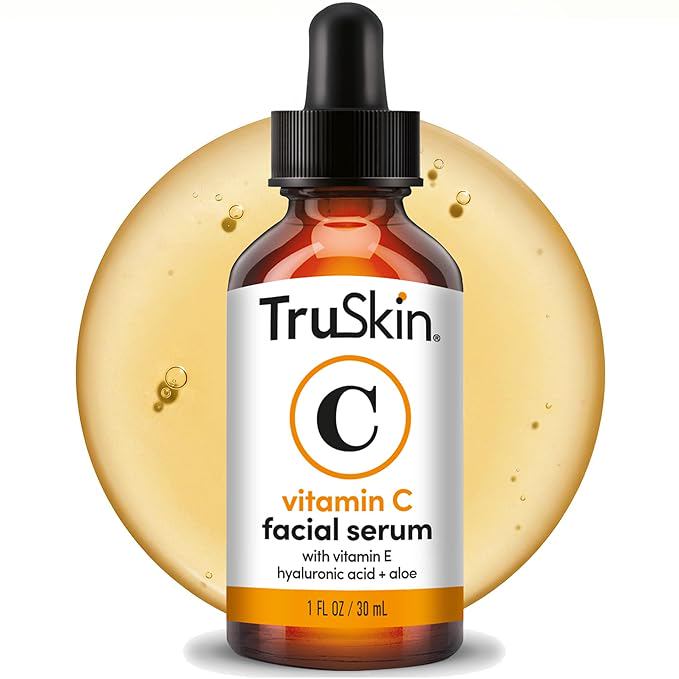
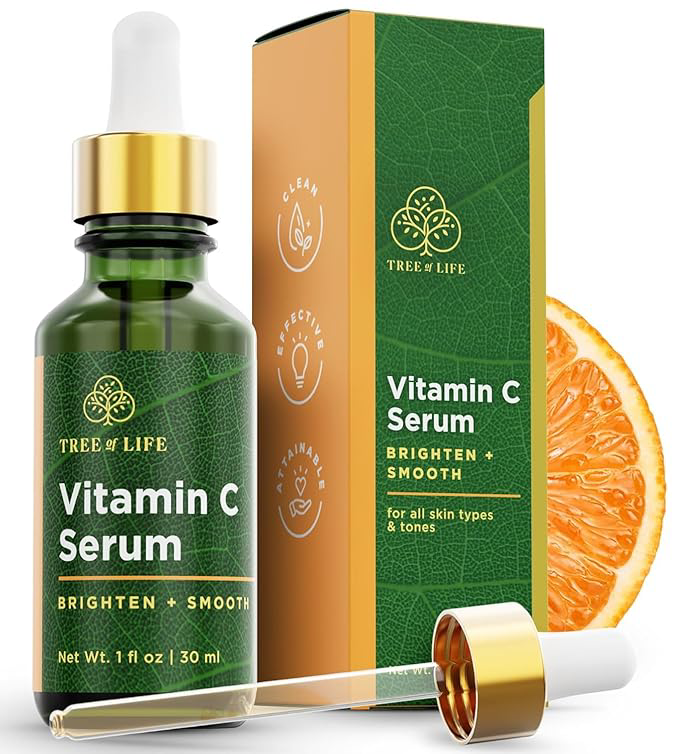
- Vitamin C (L-ascorbic acid): A powerful antioxidant that helps defend skin from free radicals and can interrupt the pigment-production process. Look for stable serums in opaque, air-tight packaging.
- Niacinamide (Vitamin B3): Known for its calming properties, it can also help reduce the transfer of pigment to skin cells and improve skin barrier function.
- Licorice Root Extract and Azelaic Acid: These natural compounds can have a brightening effect on uneven skin tone.
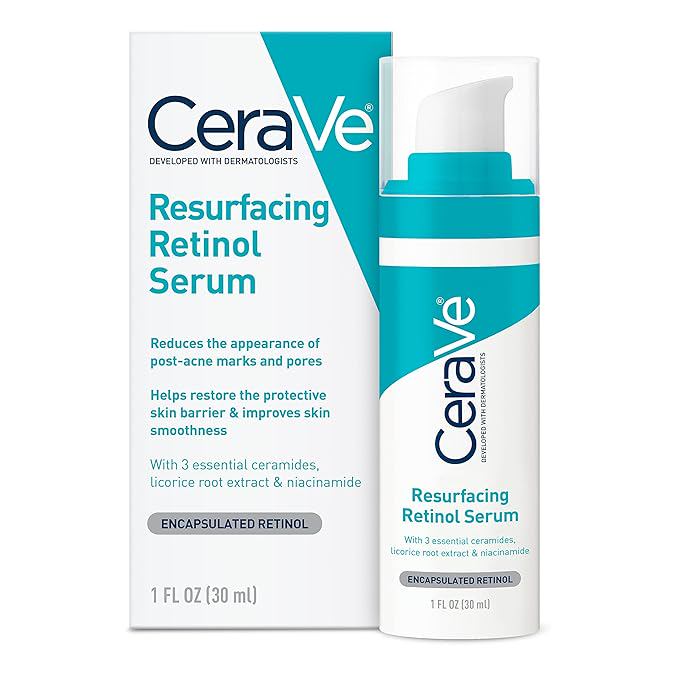
- Retinol (a Vitamin A derivative): This gold-standard ingredient for cell turnover can help fade spots over time by promoting the exfoliation of pigmented cells. Start slowly, using it a few nights a week, as it can cause dryness or irritation.
When introducing any new active ingredient, do a patch test first and introduce it gradually to see how your skin responds.
Supportive Skincare Habits
Your daily routine creates the foundation for any targeted treatment to work effectively.
Gentle Exfoliation: Using a mild chemical exfoliant like lactic acid or glycolic acid once or twice a week can help remove the top layer of dead, pigmented skin cells, revealing fresher skin underneath. Avoid harsh physical scrubs, which can cause micro-tears and inflammation.
Deep Hydration: Well-moisturized skin has a healthier barrier function and can repair itself more effectively. Look for moisturizers with ceramides, hyaluronic acid, or glycerin.
The Non-Negotiable: Daily Sunscreen
This cannot be overstated. Using any active ingredient to fade spots without daily sunscreen is like mopping the floor with the faucet still running. UV exposure will continue to trigger melanin production, counteracting any progress. Use a broad-spectrum sunscreen of SPF 30 or higher every single day, rain or shine, and reapply every two hours during prolonged outdoor activity.
Lifestyle and Nutritional Support for Skin Health
What you put into your body supports your skin from the inside out. A diet rich in antioxidants can help combat the oxidative stress caused by UV exposure.
- Foods high in Vitamin C (citrus fruits, bell peppers, broccoli) and Vitamin E (nuts, seeds, spinach) support the skin’s defense and repair systems.
- Polyphenols found in green tea and dark berries have antioxidant and anti-inflammatory properties.
- Staying well-hydrated by drinking plenty of water supports overall skin hydration and cellular function.
Managing stress through practices like meditation, walking, or adequate sleep is also beneficial, as chronic stress can exacerbate inflammation in the body, which may influence skin conditions.
Setting Realistic Expectations
Home remedies can lighten and reduce the appearance of sun spots, but they rarely erase them completely. Progress is measured in weeks and months, not days. The goal is overall improvement in skin tone and clarity, not perfection. If you do not see any change after several months of consistent care, or if you seek faster results, consulting a board-certified dermatologist is the logical next step. They can assess your skin and discuss medical-grade treatment options that are more targeted and potent.
Your skin tells the story of your life, and sun spots are just one chapter. By embracing consistent protection and gentle, supportive care, you can help write the next chapters with intention, promoting healthier, more radiant skin for years to come.