We often think of stress as an abstract feeling, a mental weight we carry. But its effects are profoundly physical—a cascade of hormones, a tightened jaw, a restless night. Managing it isn't about eliminating pressure entirely, which is often impossible, but about building a personal toolkit of reliable practices that soften its impact and restore a sense of calm. The most effective strategies are often the ones woven seamlessly into daily life, not saved for a crisis. Here, we explore the practical, evidence-informed approaches that wellness experts integrate into their own routines to navigate stress with greater resilience.
Why Expert Strategies Feel Different
What sets an expert's approach apart isn't a secret technique, but a shift in perspective. They tend to view stress management less as a reactive fix and more as proactive maintenance—like brushing teeth for mental health. The goal is to build a baseline of calm that makes acute stressors easier to handle. This involves a blend of physiological interventions (to calm the nervous system) and cognitive shifts (to reframe challenges). The strategies that follow are chosen not just for their efficacy in studies, but for their real-world applicability in busy, modern lives.
Foundational Practices for Nervous System Regulation
At its core, stress is a physiological state. Effective management often starts by signaling safety directly to the body.
Conscious Breathwork
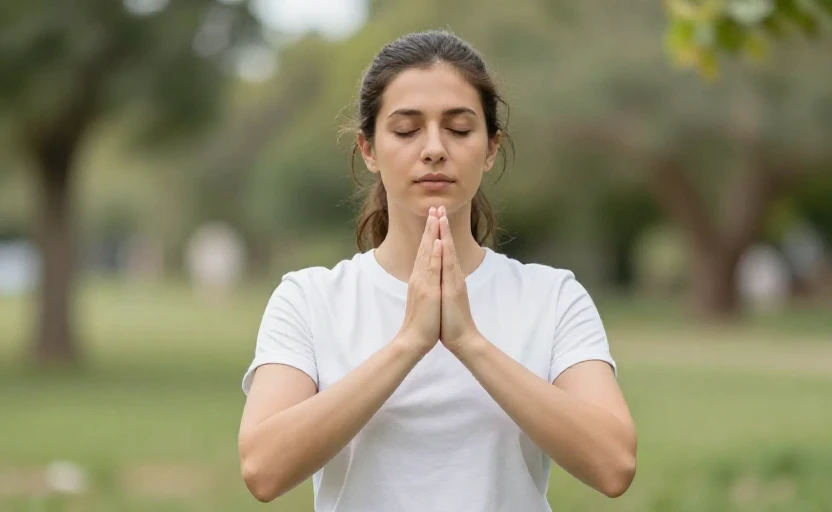
This is the most portable tool in the kit. Experts don't just take deep breaths; they use specific patterns to trigger the parasympathetic (rest-and-digest) nervous system. A common method is the 4-7-8 technique: inhale quietly through the nose for a count of 4, hold the breath for 7, and exhale slowly through the mouth for a count of 8. Repeating this cycle three or four times can rapidly reduce feelings of anxiety. The key is consistency—practicing it daily, not just during stressful moments, builds a stronger calming reflex.
Movement as Release
Exercise is well-known for reducing stress hormones, but the type matters. Many experts prioritize mindful movement over high-intensity workouts when stress is high. Yoga, tai chi, or even a brisk walk in nature serve a dual purpose: they metabolize stress chemicals like cortisol and adrenaline while bringing attention to bodily sensations, which interrupts cyclical worrying.
A 20-minute walk, without a phone or podcast, can act as a moving meditation that resets a frazzled mind.
Cognitive and Environmental Adjustments
While calming the body is crucial, managing the mind's interpretation of events is equally important for long-term resilience.
Scheduled Worry Time
It sounds counterintuitive, but containing anxiety to a specific window can prevent it from leaking into the entire day. The practice involves setting aside 15 minutes each day to consciously think about stressors and potential solutions. When anxious thoughts arise outside that window, you gently note them and postpone them until the appointed time. This builds mental discipline and often reveals that many worries lose their urgency when examined deliberately.
Digital Boundaries
Experts are often meticulous about their information diet. Common tactics include:
- Turning off non-essential notifications on all devices.
- Implementing a strict “no screens” buffer zone for the first and last hour of the day.
- Curating social media feeds to limit exposure to conflict-driven or comparison-triggering content.
This isn't about disconnecting entirely, but about choosing engagement consciously rather than reacting to endless digital pulls.
Integrating Micro-Moments of Restoration
You don't always need an hour-long massage. Sustainable routines are built on small, frequent practices that accumulate.
Sensory grounding is a favorite. When feeling overwhelmed, pause and consciously identify: five things you can see, four you can feel, three you can hear, two you can smell, and one you can taste. This simple exercise pulls you out of your thoughts and into the present moment.
Another is the strategic use of routine. Attaching a small calming ritual to an existing habit—like taking three deep breaths after brushing your teeth, or savoring the first sip of morning tea without multitasking—creates automatic anchors of peace throughout the day.
When to Seek Additional Support
Personal strategies are powerful, but they have limits. Experts consistently emphasize that seeking help is a sign of strength, not a failure of self-management. Consider consulting a professional if stress feels unmanageable, interferes with daily functioning, or manifests as persistent physical symptoms like chronic headaches or digestive issues. Therapies like Cognitive Behavioral Therapy (CBT) or mindfulness-based stress reduction (MBSR) offer structured, proven pathways for building coping skills.
Ultimately, the most effective stress management strategy is the one you will actually practice consistently. It’s less about a perfect routine and more about cultivating a kind, observant relationship with your own stress signals, and having a few trusted tools ready to meet them.