4 calming techniques to break the perfectionism-stress cycle at your desk
Learn four calming techniques to stop the perfectionism-stress cycle while seated at your desk, including breathing resets, cognitive shifts, and grounding anchors.
Discover articles, guides, and practical insights for a healthier lifestyle.
Learn four calming techniques to stop the perfectionism-stress cycle while seated at your desk, including breathing resets, cognitive shifts, and grounding anchors.

Learn how caffeine-rich coffee and sugary energy drinks can heighten anxiety in people with perfectionist tendencies, plus practical swaps to ease the cycle.
Learn how to recognize the physical signs of perfectionist stress, including chronic tension, digestive issues, unrefreshing fatigue, and immune suppression, according to health experts.

One overlooked morning habit—grabbing your phone first thing—can intensify perfectionism by fueling comparison, rigidity, and the inner critic. Learn how to shift it.
Unexpected perfectionism triggers can spike your stress before you even notice. Learn three common patterns and how to soften their impact naturally.

Discover how rigid lunch rules can feed perfectionism anxiety. Dietitians explain the habit of moral eating and offer ways to find food freedom without losing nutrition.
Identify 6 subtle warning signs that perfectionism is silently driving your daily stress. Learn to spot the patterns and protect your well-being.

New research links dark chocolate eaten in the evening to heightened health anxiety the next morning. Discover why and how to adjust your nightly snack routine.

Learn how to tell the difference between a healthy mindful body scan and a compulsive symptom-checking habit driven by health anxiety. Practical guidance included.


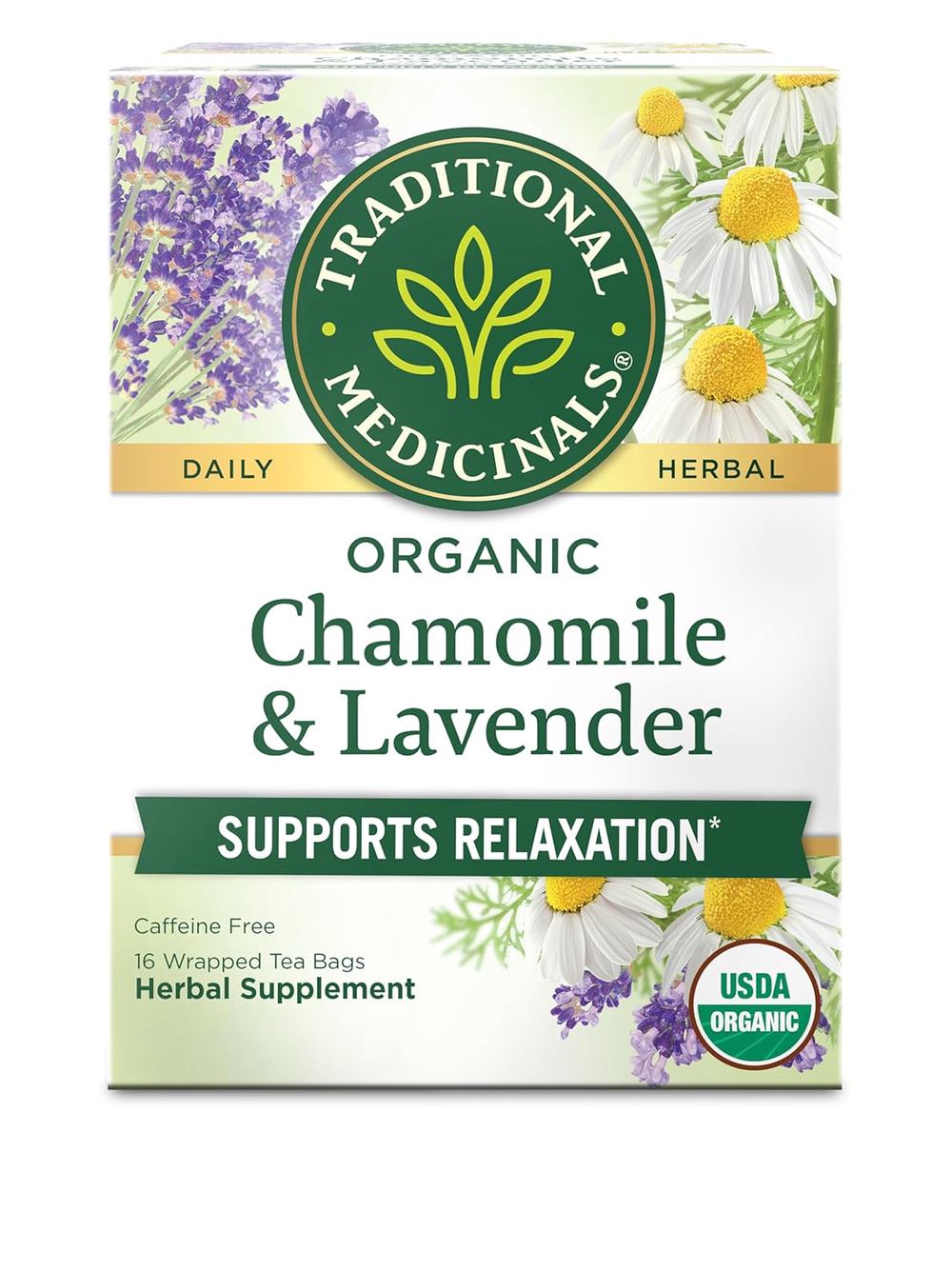
Traditional Medicinals Organic, Chamomile & Lavender - Chamomile Tea Supporting Stress Relief and Relaxation - Kosher, Non-GMO, Caffeine-Free, Compostable - 16 Tea Bags
Check it out

PLANTERS Deluxe Salted Whole Cashews, Party Snacks, Plant-Based Protein, Quick Snack for Adults, After School Snack, Roasted Cashew Flavored with Sea Salt, Bulk Nuts, Kosher, 1 lb 2.25oz Canister
Check it out