
We’ve all been there: a restless night after eating something that didn’t quite sit right. But for some people, that discomfort can spill over into the next day, fueling a specific kind of worry known as health anxiety. New research suggests that a particular type of evening snack could be a hidden trigger, leaving you more preoccupied with physical sensations and perceived health threats come morning.
Understanding this link isn’t about fear-mongering. It’s about empowering you to make informed choices that support both a good night’s sleep and a calm, clear-headed morning. Let’s unpack what the science says and how you can build a more soothing evening routine.
The Surprising Snack Linked to Morning Worry
The culprit isn’t a spicy dish or a sugary dessert. According to recent observational studies, the evening food most consistently tied to heightened health anxiety the following morning is dark chocolate.
This might come as a shock, given dark chocolate’s reputation as a health food rich in antioxidants. However, the very compounds that give dark chocolate its health halo—particularly theobromine and, to a lesser extent, caffeine—are also central nervous system stimulants.
The core issue: Even small amounts of these stimulants can disrupt sleep architecture, particularly deep sleep and REM cycles. This disruption can leave the brain in a heightened state of vigilance, a biological state that can easily be misinterpreted as anxiety upon waking.
When you wake up feeling jittery or with a racing heart after a disrupted sleep, your mind naturally searches for an explanation. In someone prone to health anxiety, that explanation often becomes, “Something is wrong with my body.” This can trigger a cascade of worry about heart health, digestion, or general well-being that lasts well into the morning.
Why Sleep Disruption Feeds Health Anxiety
The connection between sleep and anxiety is well-established, but the research around dark chocolate adds a specific, actionable layer. Poor sleep is a known amplifier of the brain’s threat-detection system. When you’re sleep-deprived, the amygdala—the brain’s fear center—becomes more reactive, while the prefrontal cortex, which helps you rationally evaluate threats, becomes less active.
This neurological one-two punch is a perfect storm for health anxiety. Your body feels off (due to the stimulants and fragmented sleep), your brain is primed to look for danger, and your logical mind struggles to calm down. The result is a morning spent obsessing over a normal heartbeat or a minor stomach gurgle.
The Role of Gut-Brain Axis
There’s another layer: the gut-brain connection. Dark chocolate is fermented and can be stimulating to the digestive system. For some individuals, this can cause subtle gastrointestinal discomfort, bloating, or even acid reflux during the night. Physical discomfort further disrupts sleep and adds another slice of “evidence” for your health-anxious brain to mull over the next day.
How to Enjoy Dark Chocolate Without the Morning Anxiety
You don’t necessarily need to banish dark chocolate from your life forever. The goal is timing and portion control. Here are a few grounded strategies that respect both your love for a treat and your desire for peaceful sleep.
- Enjoy it earlier in the day. Think of dark chocolate as a mid-afternoon indulgence with your coffee or tea, not a dessert to eat after dinner. The further it is from your bedtime, the less likely it is to disturb your sleep architecture.
- Watch the percentage. The higher the cocoa content, the more theobromine and caffeine it contains. A 70% to 85% bar is often the sweet spot for antioxidants without excessive stimulation. Bars above 85% can be potent sleep disruptors if eaten too late.
- Stick to a single square. A mindful portion—roughly 5 to 10 grams—allows you to savor the flavor without overwhelming your nervous system. Overindulging, even on “healthy” chocolate, can backfire.
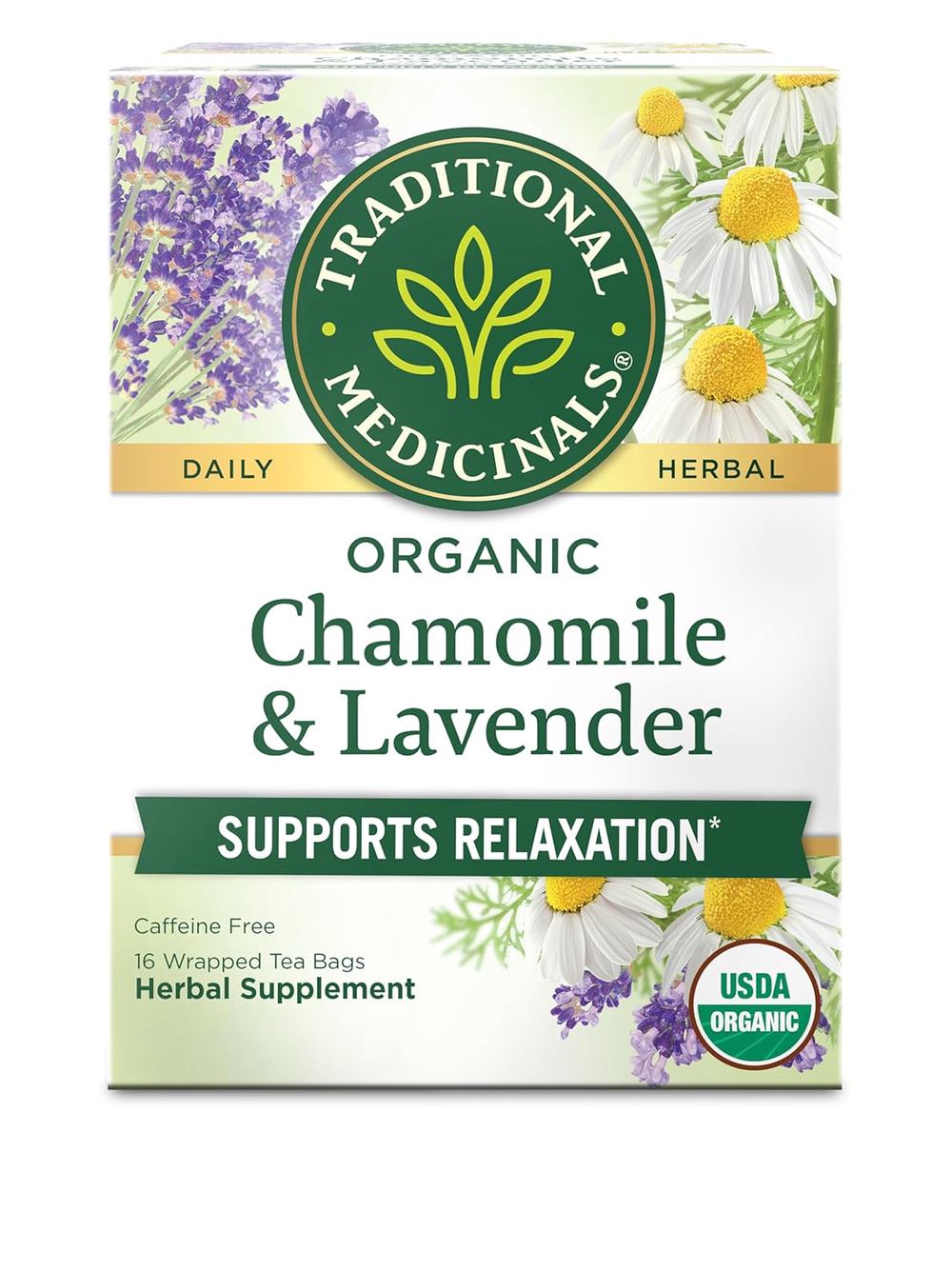
- If you notice the link, swap it out. For a month, try replacing your evening dark chocolate with a calming alternative like a cup of chamomile tea, a small bowl of tart cherries, or a few almonds. Observe how your mornings change in terms of both anxiety levels and physical alertness.
Other Evening Foods That Can Trigger Restlessness
While dark chocolate is the standout finding from recent studies, it’s not the only snack that can leave you on edge the next morning. Being aware of other potential triggers can help you build a fully supportive evening routine.
- Coffee and caffeinated teas: Obvious for most, but even decaf varieties contain trace amounts of caffeine that can build up over the day.
- Spicy foods: Capsaicin can raise core body temperature, which interferes with the natural drop in temperature needed for sleep onset.
- High-sugar desserts: A spike in blood sugar followed by a rapid crash can trigger the release of stress hormones like cortisol and adrenaline, which can wake you up in the middle of the night.
- Aged cheeses and cured meats: These contain tyramine, an amino acid that can increase alertness and has been linked to nightmares in sensitive individuals.
Building a Nightly Routine That Lowers Anxiety
Ultimately, the best snack for health anxiety is one that doesn’t exist—at least not within a few hours of bedtime. Creating a “eating window” that closes two to three hours before you sleep is a foundational habit for both sleep hygiene and anxiety management.
If you do feel hungry before bed, choose foods that support sleep: a small banana, a handful of walnuts, or a warm glass of milk (or a plant-based alternative). These provide precursors to serotonin and melatonin without the stimulating side effects.
For those managing health anxiety, this dietary tweak is one piece of a larger puzzle. It works best when combined with other grounding practices, such as gentle evening yoga, journaling worries away before bed, or using a guided sleep meditation. The key is consistency. When you support your brain with good sleep and stable blood sugar, you give it less raw material to worry about.
One evening snack—particularly dark chocolate—has a direct, research-backed link to increased health anxiety the following morning. The mechanism involves sleep disruption from stimulants like theobromine and caffeine, combined with the gut-brain axis. By adjusting the timing and portion size of your evening treats, or by swapping them for sleep-supportive alternatives, you can significantly improve your sleep quality and start your mornings with a calmer, clearer mind.