You wake up exhausted, your head is pounding, your stomach feels unsettled, and you are starting to wonder if something serious is going on. You have checked your blood pressure—it is up. You have asked your doctor about your digestion, your sleep, your strange cravings. And yet, test after test comes back normal. It is frustrating, confusing, and frankly, a little frightening.
What if the culprit is not a virus or a chronic disease, but something far more common—and far less discussed? Chronically elevated cortisol, the body's primary stress hormone, can produce a startling array of physical symptoms that look almost identical to other medical conditions. This is not just about feeling anxious or tense; it affects real, measurable systems in your body. Learning to recognize these signs for what they are can save you months of worry and keep you from chasing the wrong diagnosis.
1. Unexplained High Blood Pressure That Resists Treatment
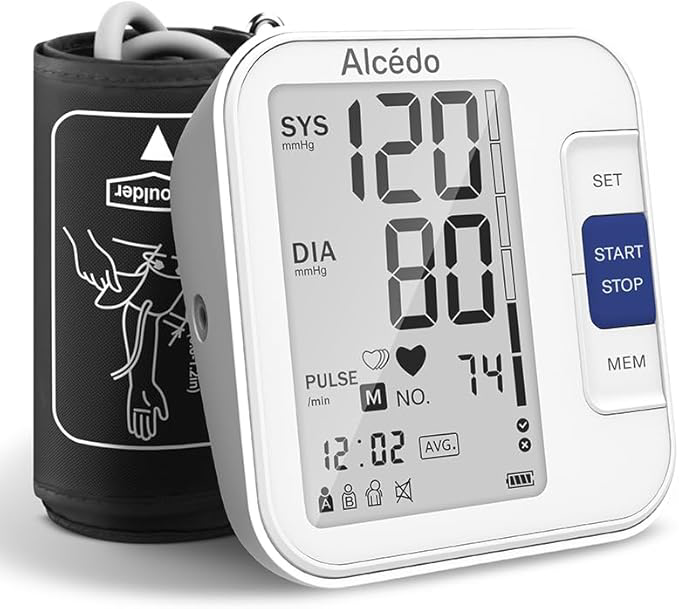
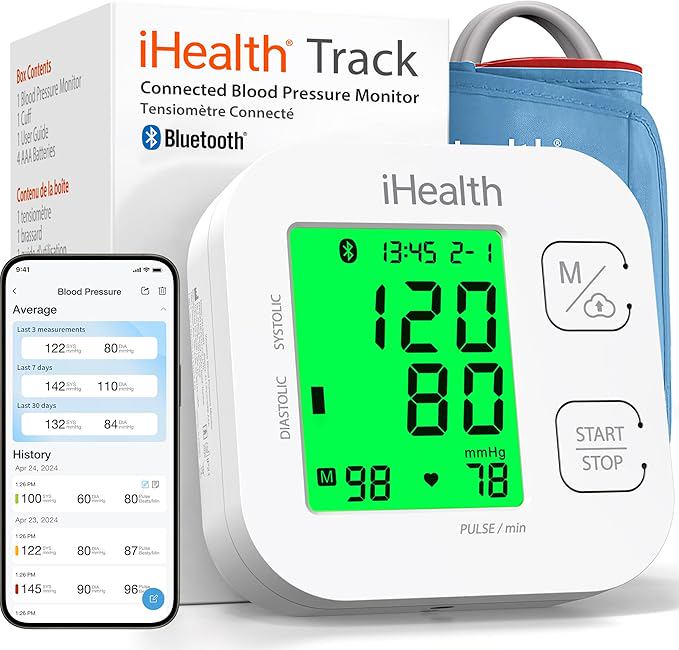
You are watching your sodium intake. You are exercising. Your doctor has tried a couple of different medications. And still, that top number stays stubbornly elevated. This pattern deserves a closer look at cortisol. When your adrenal glands pump out excess cortisol, they also trigger the release of hormones that constrict blood vessels and encourage your kidneys to retain sodium and fluid. This creates a perfect storm for hypertension—one that does not always respond well to standard blood pressure medications alone.
In clinical settings, this is sometimes called secondary hypertension, and it is one of the most common physical manifestations of sustained high cortisol. If your blood pressure readings are consistently high—especially if you are relatively young, lean, or have a family history that suggests otherwise—it is worth discussing a cortisol workup with your physician. The good news is that when the underlying stress response is addressed, blood pressure often begins to normalize without additional medication changes.
A key clue: Look for blood pressure that rises in the evening or remains high despite changes in diet. Classic primary hypertension usually has a morning peak.
2. Chronic Digestive Distress That Mimics IBS
Bloating after almost every meal. Alternating bouts of constipation and loose stools. That gnawing sensation in your upper abdomen that antacids barely touch. Many people assume they have irritable bowel syndrome or a food sensitivity. While those are real conditions, cortisol can mimic them perfectly—down to the location and timing of the pain.
Your gut is lined with a vast network of nerve endings, sometimes called the second brain. When cortisol is high, it directly dials down digestive activity. It slows gastric emptying, reduces blood flow to the intestinal wall, and changes the balance of your gut microbiome. The result? Fermentation, gas, discomfort, and a feeling that food just sits there for hours. This is not just an emotional reaction; it is a physiological shutdown of the digestive process designed to conserve energy for a perceived threat that never actually arrives.
Many people find that their digestive symptoms vanish once they stabilize their nervous system—something that rarely happens with IBS treatments alone if stress remains the root driver.
3. Persistent Headaches and Tension That Feels Like Migraine
Not every headache is a sinus infection or a migraine, even when it feels like one. Cortisol influences blood vessel tone and inflammation pathways throughout the body. When levels are chronically high, muscles in the neck, shoulders, and scalp remain in a state of low-grade contraction. This produces tension headaches that can become daily and debilitating. Worse, the inflammatory environment can trigger migraine-like episodes, complete with light sensitivity and nausea.
This symptom is particularly deceptive because over-the-counter pain relievers often provide only temporary relief. You pop an ibuprofen, the pain recedes for a few hours, and then it returns. Why? Because you are treating the downstream effect, not the upstream cause. If your headaches follow periods of high stress, are worse in the late afternoon, or cluster around days when you slept poorly, elevated cortisol is a likely contributor.
One helpful distinction: headaches driven by high cortisol rarely respond to typical migraine-specific medications like triptans. They do, however, often improve when stress-reduction practices become consistent.
4. Uncontrollable Sugar and Salt Cravings That Sabotage Your Diet
If you find yourself rummaging through the pantry for something salty or sugary—even when you are not really hungry—your cortisol levels may be driving that decision. This is not a willpower problem; it is a neuroendocrine signal. Cortisol directly affects blood glucose regulation and insulin sensitivity. When levels stay high, your cells can become resistant to insulin, meaning your body has a hard time moving sugar out of the bloodstream and into the cells that need energy.
Your brain interprets this as an energy crisis. It sends urgent signals: get sugar now, get salt now. Salt cravings are particularly common because cortisol also increases the excretion of sodium through urine. Your body, sensing the depletion, pushes you to replace it. This sets up a vicious cycle. You consume the snack, your blood sugar spikes, your body releases even more insulin, and then your blood sugar crashes again a couple of hours later, triggering another cortisol release and another round of cravings.
Breaking this cycle requires stabilizing both blood sugar and the stress response together—not just white-knuckling through the cravings.
5. Deep, Unrefreshing Sleep and a Racing Mind at 3 a.m.
You fall asleep fine. But at 3 a.m., you are wide awake. Your mind is running through a to-do list, a conversation from yesterday, or a vague worry about tomorrow. This pattern is almost a signature sign of high cortisol, because cortisol follows a natural daily rhythm. It should be lowest in the middle of the night and rise just before waking. Under chronic stress, that rhythm flips. Cortisol peaks during the night, jolting you into a half-alert state, and then crashes in the morning, leaving you groggy and dependent on caffeine to function.
This is not regular insomnia. It is a biological clock that has lost its calibration. People with this pattern often report that sleeping pills do not help much—or that they knock them out initially but do nothing to prevent that 3 a.m. wake-up call. The fix lies in restoring the body's natural cortisol curve, which often involves early morning light exposure, evening wind-down rituals, and practices that shift the nervous system away from fight-or-flight mode.
None of these symptoms mean you have a disease. They mean your body has been in survival mode for too long. The good news is that your body also knows how to reset. Recognizing that high cortisol can masquerade as other conditions is the first step. The next step is working with a healthcare provider who understands the stress-hormone connection, and slowly building daily habits that signal safety back to your nervous system. Small, consistent shifts in sleep timing, meal regularity, and gentle movement can change the trajectory over weeks and months.