
When you're pregnant and dealing with breakouts, it's tempting to reach for the strongest product on your bathroom shelf. But that gut reaction might put your baby at risk. The single most common mistake I see in my work as a health editor is people continuing to use prescription retinoids or high-dose salicylic acid after a positive pregnancy test.
This isn't about sacrificing clear skin for nine months. It's about knowing which ingredients are off-limits and swapping them for safe, effective alternatives before you even start trying to conceive. Let's cut through the conflicting advice and look at what the evidence actually says.
Which acne treatments are dangerous during pregnancy?
Two major categories of acne medication pose confirmed risks: retinoids and high-dose salicylates. Retinoids — including isotretinoin (Accutane), tretinoin, adapalene, and tazarotene — are chemically related to vitamin A. Oral isotretinoin is so strongly linked to severe birth defects that the FDA mandates a strict risk-management program for anyone who takes it. Topical retinoids carry less risk but are still avoided by most obstetricians because we lack large safety studies in pregnant women.
Salicylic acid in high concentrations (typically over 2% or in peels) is another concern. Large amounts absorbed through the skin can theoretically cause birth complications, though occasional low-concentration face washes are often considered acceptable. The bigger issue is that many over-the-counter acne pads, serums, and masks contain levels that exceed what experts consider safe.
Bottom line: If it says retinol, retinoid, tazarotene, adapalene, or has a high percentage of salicylic acid on the label, stop using it immediately and check with your healthcare provider.
Why can't I just use my usual retinoid cream?
Retinoids work by speeding up cell turnover and unclogging pores — which is great for acne but concerning during development. Vitamin A and its derivatives play a crucial role in fetal growth, but in excess they can disrupt how the baby's heart, brain, and facial structures form. Oral isotretinoin has a documented risk of miscarriage and congenital abnormalities that drove the creation of the iPLEDGE program.
Even topical versions like tretinoin (commonly prescribed as Retin-A) are not well-studied in pregnancy. A 2022 review in JAMA Dermatology noted that while topical absorption is low, the theoretical risk leads most clinicians to advise discontinuation. For conception planning, most doctors recommend stopping retinoids at least one month before trying to get pregnant.
Safe acne treatments you can use while pregnant
You don't have to suffer through nine months of breakouts. Many dermatologists and OB-GYNs agree on several safe categories:
- Azelaic acid (10-20% creams) — reduces inflammation and kills acne-causing bacteria. It's considered safe in the second and third trimesters.
- Topical erythromycin or clindamycin — antibiotic creams that target bacterial acne without systemic absorption.
- Glycolic acid — a gentle alpha-hydroxy acid that exfoliates without the risks of salicylic acid.
- Simple benzoyl peroxide — low concentrations (2.5-5%) are typically safe because the skin breaks it down into harmless compounds.
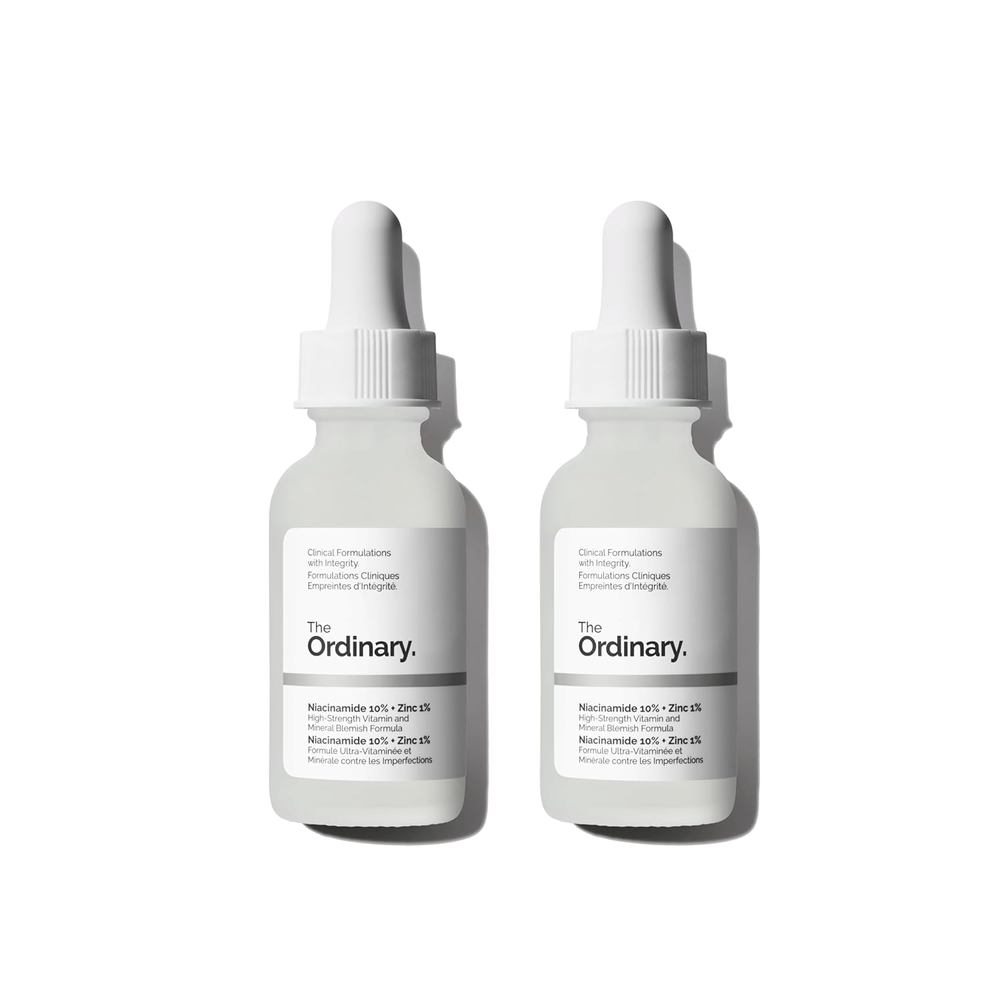
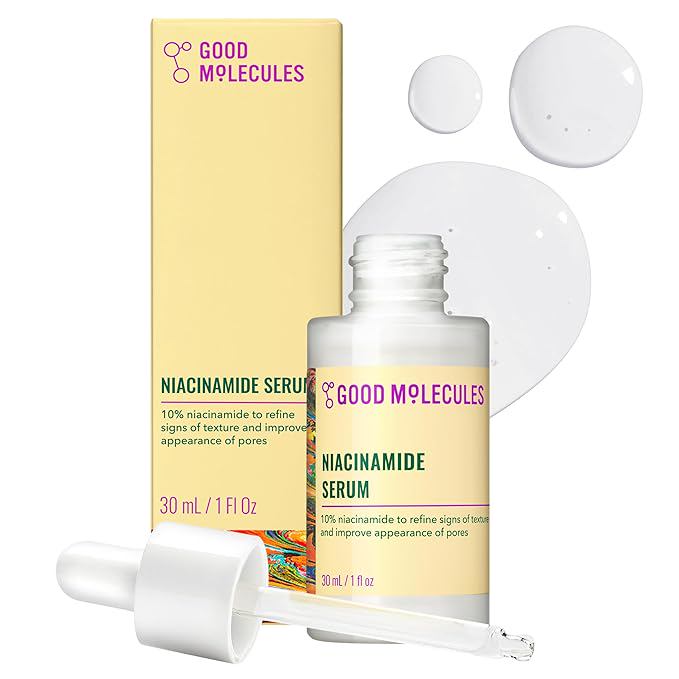
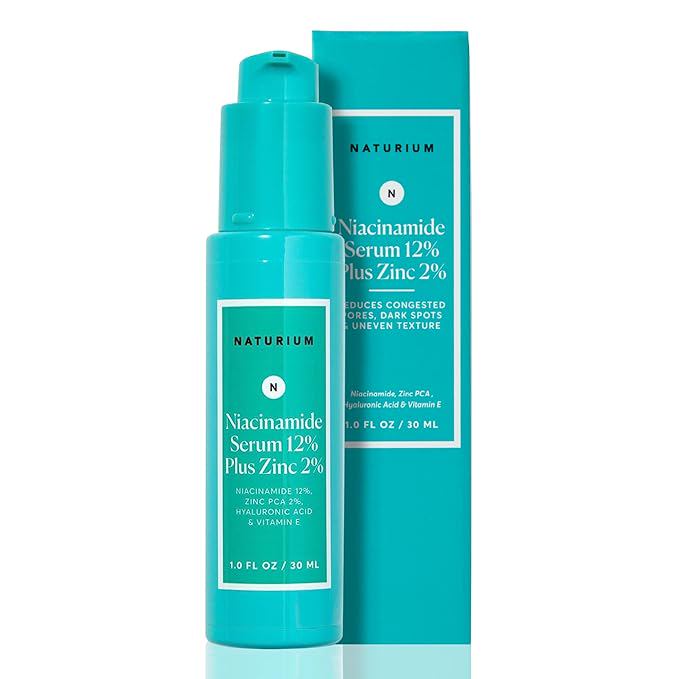
- Niacinamide — a form of vitamin B3 that calms redness and regulates oil production without any known risk.
Lifestyle adjustments also help. Non-comedogenic (won't clog pores) sunscreens prevent post-inflammatory hyperpigmentation, which can be more persistent during pregnancy due to hormonal changes. Gentle cleansing with a mild sulfur wash can dry out active spots without absorbing systemically.
The one mistake people keep making
Here's the pattern I see over and over: a woman has acne under control with a prescription retinol or high-strength salicylic acid serum. She finds out she's pregnant but thinks "it's just a cream" or "everyone uses this." She doesn't mention it to her doctor until her first prenatal visit — which might be eight or ten weeks into pregnancy, past the critical window for fetal organ development during weeks three through eight.
Not every exposure causes harm, but the precautionary principle is strong here. You don't need to have a problem first to justify stopping. The safest approach is to switch to pregnancy-safe products as soon as you stop contraception — not when you get a positive pregnancy test.
What about natural or organic acne products?
Natural is not automatically safe. Tea tree oil, for example, has some antibacterial activity but can cause skin irritation and has not been well-studied for systemic effects during pregnancy. Some essential oils — like sage, clary sage, and rosemary — are traditionally avoided in high concentrations due to potential uterine-stimulating effects.
Even organic products may contain high levels of salicylic acid sourced from willow bark extract. Always read the ingredient label regardless of the brand's marketing. If you see "salix nigra" or "willow bark" among the first few ingredients, treat it with the same caution as a drugstore salicylic acid product.
When should you talk to a doctor about pregnancy acne?
You should speak with your OB-GYN or a dermatologist who specializes in pregnancy if: your acne is moderate to severe, you develop cystic breakouts that are painful or scarring, or you're using any prescription acne medication and are planning a pregnancy or have just found out you're pregnant. Never stop an oral medication like isotretinoin or spironolactone abruptly without medical guidance, but do inform your doctor within 24 hours of a positive pregnancy test.
Ask specifically about azelaic acid or topical antibiotics — these are your first-line options. You can also request a written list of ingredients to avoid so you can cross-check any new products while shopping.
Pregnancy acne is frustrating, but it's temporary. The small inconvenience of switching your skincare routine is nothing compared to the peace of mind that comes from knowing you aren't taking unnecessary risks. Keep it simple: check those ingredient lists, avoid the retinoids and high-strength salicylates, and use the safe alternatives that have decades of real-world use behind them.