
You’ve waited out the breakout. The angry red bump has finally flattened, and you’re left with a dusky mark or a tiny raised spot. Now comes the dangerous part: the mirror check. That single urge to squeeze, scrape, or scratch at a healing pimple isn’t just a bad habit—it’s the fastest way to turn a temporary mark into a months-long problem and stretch your pores wide open.
Dermatologists and estheticians agree that manual manipulation—picking, popping, or even aggressive rubbing—is the number one behavioral cause of prolonged post-inflammatory hyperpigmentation (PIH) and visibly congested pores. Here’s exactly what happens under the skin when you pick, and what to do instead.
What does picking actually do to a healing pimple?
When a breakout heals naturally, your skin sends melanin-producing cells to the site as part of the inflammatory response. This is what creates a flat, dark or red mark—a normal part of healing. The moment you introduce fingernails or a tool, you tear the fragile new tissue. That trauma signals the body to produce even more melanin, deepening the discoloration and making it last weeks longer than it would have otherwise.
Picking also pushes bacteria and sebum deeper into the pore wall. Instead of clearing the blockage, you rupture the lining of the follicle. The contents spill into the surrounding dermis, creating a larger inflammatory reaction. This is how a simple clogged pore turns into a cystic lesion or a hard, tender bump that takes weeks to resolve.
The rule of thumb: If it’s still raised, red, or tender, it’s still inflamed. Picking at inflamed skin is like opening a healing wound—it guarantees a bigger scar.
How picking destroys pore structure long-term
Each time you squeeze a pore, you are physically stretching the opening of the follicle. Over time, this repeated mechanical stress damages the collagen and elastin fibers that keep pores tight. The result is a permanently enlarged, oval-shaped pore that collects more oil and debris, creating a cycle of congestion.
This is why you may notice that pores on your nose or chin look larger and more pronounced after years of picking at blackheads or whiteheads. The pore doesn’t “open” because of oil alone—it loses its structural integrity due to the constant pinching and pressing.
The difference between a plugged pore and a dilated pore
A plugged pore (the kind you can extract safely) looks like a tiny white or flesh-colored dome. A dilated pore looks like a small, dark, funnel-shaped indentation—sometimes with a visible black plug at the center. If you have dilated pores in areas you frequently pick, the damage is likely structural, not just a buildup of sebum.
Why post-acne marks stick around much longer after picking
Post-inflammatory hyperpigmentation (PIH) normally fades over 3 to 6 months in lighter skin tones and up to 12 months in deeper skin tones, assuming no further trauma. Picking resets that clock. Every squeeze adds a new layer of inflammation, which means the pigment cells (melanocytes) stay activated for longer.
Additionally, picking can cause a secondary infection. When you break the surface with unwashed hands, you introduce Staphylococcus or Propionibacterium acnes bacteria into the open lesion. That infection triggers another round of inflammation, which leads to even more pigment deposition. The result is a dark spot that may take a full year to fade, or one that never fully disappears.
3 evidence-backed strategies to break the picking cycle
Understanding the science helps, but habits are stubborn. Here are practical, dermatologist-recommended ways to stop picking without relying on willpower alone.
- Use physical barriers. Apply a hydrocolloid patch (often marketed as pimple patches) over any healing lesion. This prevents you from touching it while also absorbing excess fluid. Keep a pack in your bathroom and one near your mirror.
- Replace the motion. If you pick when you feel stressed or bored, substitute it with a different tactile habit—squeezing a stress ball, rubbing a textured stone, or even gently tapping your face with clean fingertips over the area.
- Adjust your lighting. Many people pick because they inspect their skin under harsh bathroom lights or magnifying mirrors. Use diffused, warm lighting instead, and avoid mirrors with 10x magnification for daily use.
What to do instead when you see a clogged pore or a mark
If you absolutely must address a visible whitehead or blackhead, use a professional extraction technique: apply a warm compress for 5 minutes, wrap clean tissue around both index fingers, and apply gentle, even pressure from the sides of the follicle—never directly on top. If it doesn't release after two gentle attempts, leave it alone.
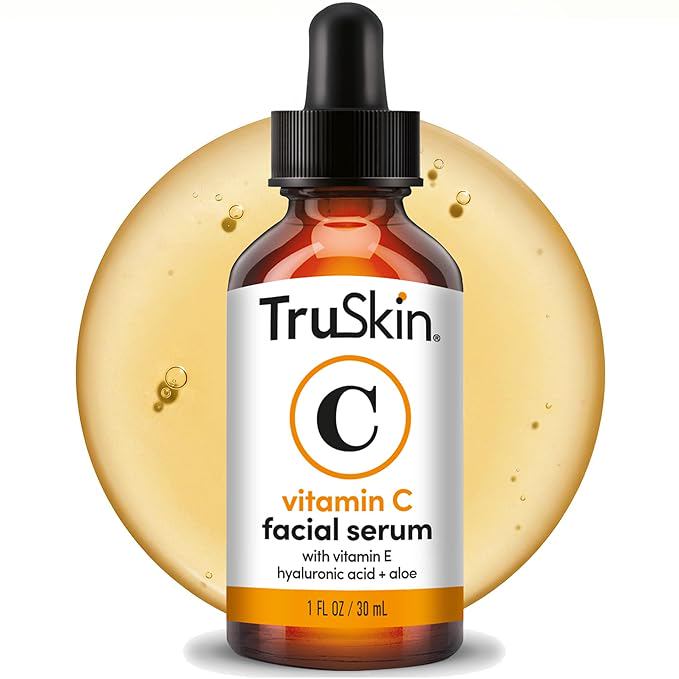
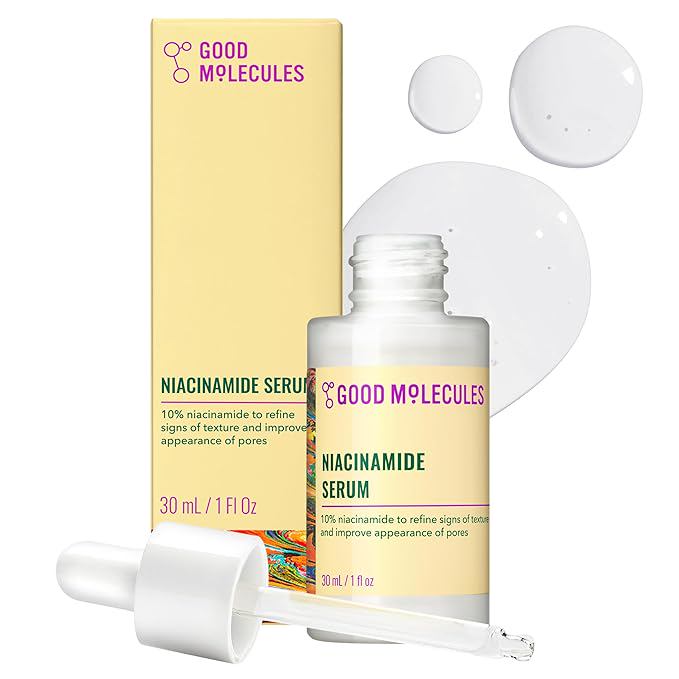
For post-acne marks, the most effective non-prescription options include formulas with azelaic acid, niacinamide, or vitamin C. These ingredients help fade pigmentation by interrupting melanin production and supporting cell turnover. Consistent use over 8 to 12 weeks is needed to see improvement—picking only undoes that progress.
When to seek professional help
If you find yourself picking at your skin regularly, even when you know it harms your complexion, you may be dealing with skin picking disorder (excoriation disorder). This is a recognized condition that may require cognitive behavioral therapy (CBT) or habit reversal training. A dermatologist or mental health professional can help you develop strategies that are less about willpower and more about rewiring the behavior.
Breaking the picking habit is the single most impactful change you can make for clearer, calmer skin. The marks you already have will fade faster, your pores will tighten back to their natural size, and you’ll break the frustrating cycle of breakout-then-mark-then-breakout. Give your skin eight weeks of no picking—you may be surprised at how much healing was waiting to happen.