
If you've ever looked closely in the mirror and noticed that your skin looks a little bumpy, a little textured, or that your pores seem to be filled with tiny plugs, you're dealing with something very common: pore congestion. It’s not quite a full-blown breakout, but it’s enough to make your complexion feel uneven. Let’s take a calm, practical look at what’s actually happening under the surface and what you can do about it without resorting to harsh scrubs or trendy gimmicks.
Pore congestion is essentially a buildup of material inside your pores. A pore is a tiny opening at the surface of your skin that contains a hair follicle and an oil gland. The oil gland produces sebum, which normally travels up the pore to keep your skin lubricated. Congestion happens when that oil mixes with dead skin cells and hardens into a plug. When the plug stays open at the top and oxidizes, it turns dark — that’s a blackhead. When the plug is covered by a thin layer of skin, it stays white — that’s a whitehead. When there’s no visible head but you can feel a small bump under the skin, that’s often referred to as a closed comedone.
Why do pores get congested?
Congestion isn’t a sign that your skin is “dirty.” In fact, overwashing can make it worse. The root causes are usually a combination of things, many of which are influenced by your skin’s natural behavior and your environment.
Your skin’s natural turnover cycle
Your skin sheds dead cells constantly, but sometimes that shedding slows down. Instead of flaking off neatly, the cells stick around and mix with sebum. This can happen due to genetics, age, or even seasonal dryness. This process is the primary driver of congestion for most people — it’s not about what you're eating or doing, it’s just how your skin cells behave.
Excess sebum production
Some people produce more oil than others. Hormones are a big player here. During your menstrual cycle, puberty, or times of high stress, your oil glands can go into overdrive. More oil means more raw material to form plugs. It’s a mechanical issue, not a character flaw.
Thick or heavy products
Not everything you put on your skin is helping. Rich moisturizers, thick sunscreens, and certain makeup primers can be comedogenic — meaning they are formulated with ingredients that are more likely to block pores. Ingredients like coconut oil, cocoa butter, and isopropyl myristate are common culprits. You don’t have to fear them, but if you’re prone to congestion, it’s worth checking your product labels.
How to manage pore congestion day to day
Management is a better word than “cure” here because most of us will always have pores, and they will always produce oil. The goal is to keep the pathway clear, not to shrink or eliminate pores. Pores do not have muscles. You cannot open and close them like a door. What you can do is keep the material inside soft and flowy enough that it doesn’t form a hard plug.
Gentle cleansing, not harsh stripping
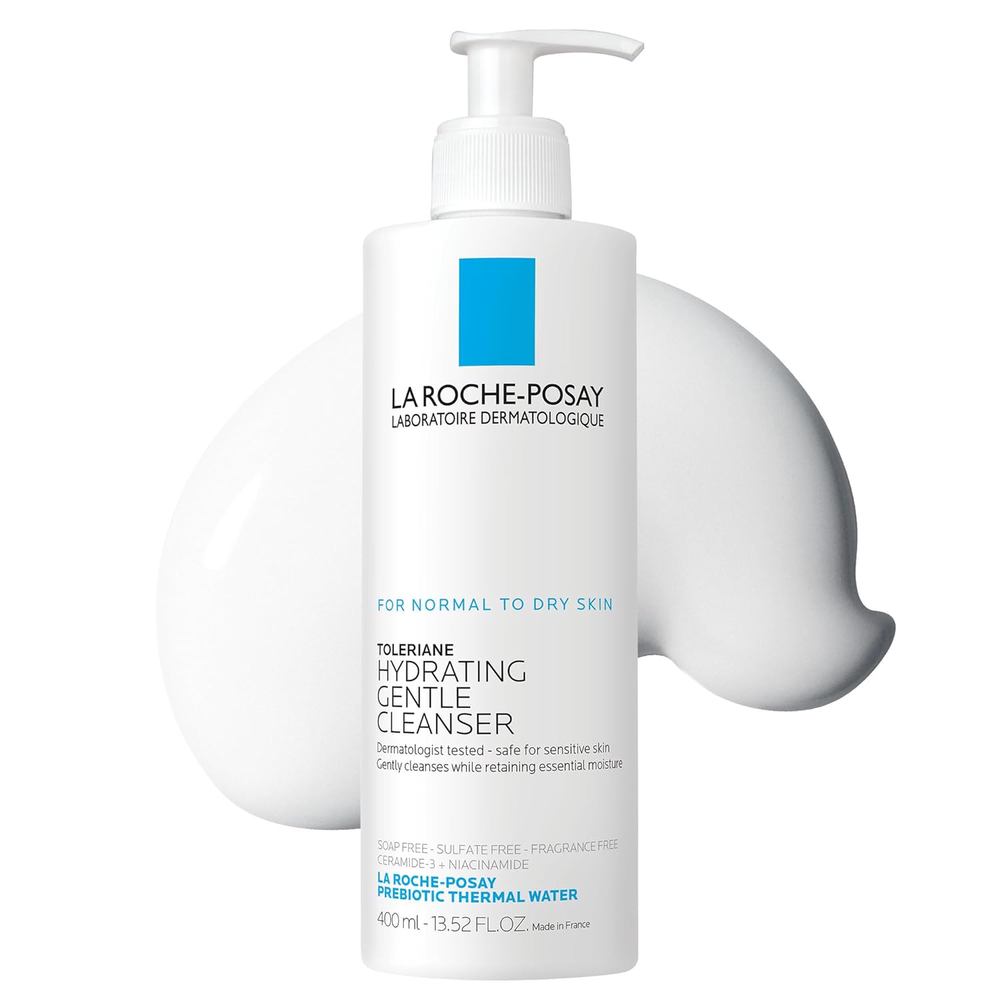
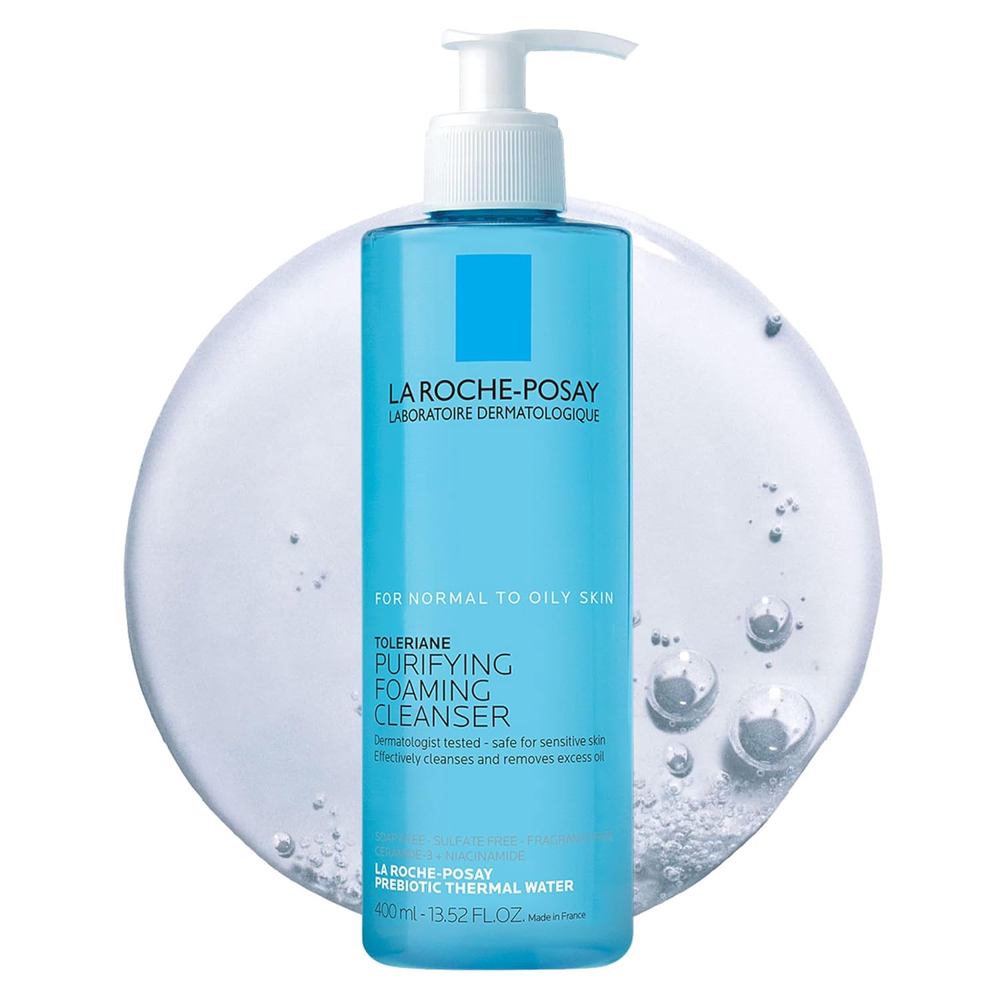
Wash your face twice a day with a mild cleanser. If your skin feels tight or squeaky after washing, that cleanser is too harsh. You want something that removes excess oil without stripping your barrier. A damaged barrier can actually trigger more oil production as a compensatory response, which makes congestion worse. Look for cleansers labeled non-comedogenic or that contain gentle surfactants like cocamidopropyl betaine.
Exfoliate thoughtfully
Exfoliation is the single most effective way to address the dead-skin-cell component of congestion. But there’s a right way and a wrong way. Physical scrubs with jagged particles (like crushed walnut shells) can create micro-tears in the skin and worsen inflammation. Stick with chemical exfoliants, which dissolve the bonds holding dead cells together.
Two main types help with congestion: beta hydroxy acid (BHA), also known as salicylic acid, and alpha hydroxy acids (AHAs) like glycolic or lactic acid. BHA is oil-soluble, meaning it can penetrate into the pore and dissolve the sebum plug from the inside. AHAs work more on the surface to smooth texture.
Start with a low concentration (around 1-2% for salicylic acid) two or three times a week, and increase frequency only if your skin tolerates it. Over-exfoliation leads to irritation, which again leads to more oil production.
Use a retinoid or retinaldehyde
Vitamin A derivatives are gold-standard ingredients for regulating skin cell turnover and reducing oil gland activity. Over-the-counter options include retinol and the more potent retinaldehyde (or prescription tretinoin, if your dermatologist deems it necessary). These work slowly — you won’t see results overnight — but they address the root cause of congestion by normalizing the shedding process. Use them at night, start with a pea-sized amount twice a week, and always wear sunscreen the next day because retinoids increase sun sensitivity.
What about extraction and professional treatments?
There is a place for professional extractions done by a licensed esthetician or dermatologist. They have the tools and training to remove stubborn plugs without damaging the pore lining. Doing this yourself at home often leads to broken capillaries, scarring, or deeper infection. If you do get a professional extraction, follow it up with a non-comedogenic moisturizer and avoid heavy exfoliants for 48 hours.
Chemical peels and microdermabrasion performed in a clinic can also help with persistent congestion, but these require a series of sessions and are not a one-time fix. Laser treatments like photodynamic therapy can reduce oil gland activity long-term, but they are expensive and not necessary for mild congestion.
Lifestyle factors that can influence congestion
Diet is a nuanced topic. High-glycemic foods (sugary drinks, white bread, processed snacks) can spike insulin levels, which in turn may increase sebum production. Some people also notice that dairy products, particularly skim milk, correlate with more breakouts and congestion. There is no universal food trigger; it’s individual. If you suspect a link, try eliminating the suspected food group for three weeks and observe your skin.
Stress management and sleep matter because cortisol (the stress hormone) can boost oil production. You don't need a perfect life — just prioritize consistent sleep and some form of daily stress relief, even if it’s just a 10-minute walk.
When to see a dermatologist
If you've been using gentle cleansing, a salicylic acid product, and a retinol for three months with no improvement, or if your congestion is very widespread, it’s time to consult a board-certified dermatologist. They can prescribe stronger topical formulations (like adapalene or prescription azelaic acid) or discuss oral medications such as spironolactone (for hormonal influences) or isotretinoin for severe cases. These are prescription-only options that require medical oversight.